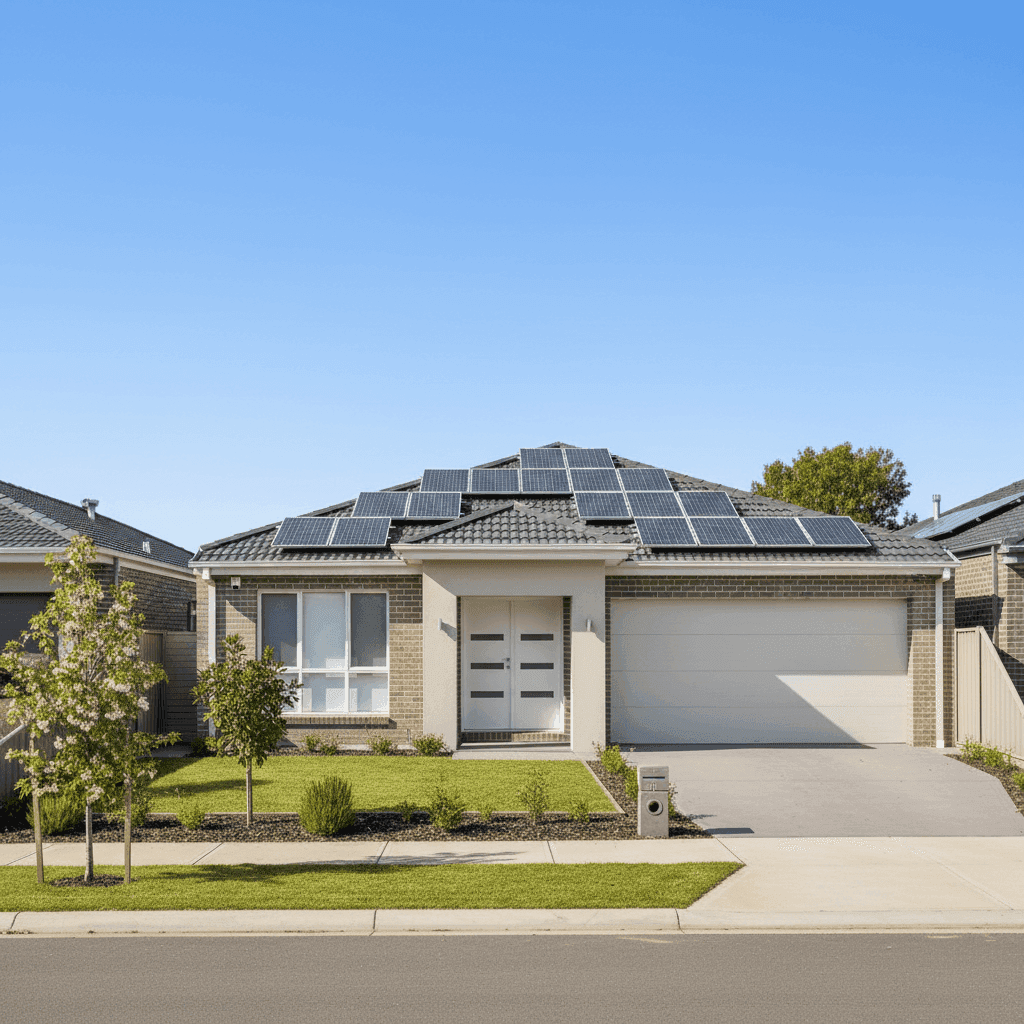
Mernda is a fast-growing outer-northern suburb of Melbourne, known for its family-friendly streets, newer housing estates, and easy freeway access. If you own a free standing home here, you're in good company — and making sure you have the right home and contents insurance at a competitive price is a smart move. This article breaks down a real quote for a 4-bedroom, 2-bathroom brick veneer home in Mernda, and puts the numbers into context so you can make a more informed decision.
---
Is This Quote Fair?
The quote in question comes in at $1,173 per year (or $121/month) for combined home and contents cover, with a building sum insured of $646,000 and contents valued at $50,000. The building excess is $3,000 and the contents excess is $500.
Our price rating for this quote is FAIR — around average for the Mernda area.
Based on data from 113 quotes collected for postcode 3754, the suburb average sits at $1,570/year and the median at $1,413/year. This quote lands noticeably below both figures, which is a positive sign. It's above the 25th percentile of $1,052/year, meaning there are cheaper options out there — but it's well clear of the 75th percentile at $1,930/year, so it's not overpriced either.
In short: this is a solid, competitive quote that sits in the lower-to-middle range of what Mernda homeowners are currently paying. It's not the cheapest on the market, but it's far from the most expensive, and for a relatively new, well-built home, it represents reasonable value.
---
How Mernda Compares
One of the more striking things about this quote is just how affordable Mernda is compared to broader benchmarks.
| Benchmark | Average Premium | Median Premium |
|---|---|---|
| Mernda (3754) | $1,570/yr | $1,413/yr |
| Victoria | $3,000/yr | $2,718/yr |
| National | $5,347/yr | $2,764/yr |
| Nillumbik LGA | $3,693/yr | — |
Mernda's suburb average of $1,570/year is roughly half the Victorian state average of $3,000/year, and a fraction of the national average of $5,347/year (which is heavily skewed by high-risk areas like cyclone-prone Queensland and flood-affected regions of NSW). Even compared to the broader Nillumbik LGA average of $3,693/year, Mernda looks very affordable — a reflection of its newer housing stock and relatively low natural hazard risk profile.
You can explore Victoria-wide insurance data here or check out national home insurance statistics to put your own premium in a broader context.
---
Property Features That Affect Your Premium
Several characteristics of this property work in favour of a lower premium:
Construction year (2017) A home built in 2017 benefits from modern building codes, which mandate higher standards for structural integrity, fire resistance, and energy efficiency. Insurers generally view newer homes as lower risk, which can translate to more competitive premiums.
Brick veneer external walls Brick veneer is one of the most common and well-regarded construction types in Australian suburban homes. It offers good fire resistance and durability, which insurers tend to reward with more favourable pricing compared to timber-framed or lightweight cladding alternatives.
Tiled roof Terracotta or concrete tiles are considered a robust roofing material in Victoria's climate. They perform well in storms and are less susceptible to fire than some alternatives, making them a preferred choice from an underwriting perspective.
Slab foundation A concrete slab foundation is standard for homes of this era and is generally seen as structurally sound, particularly in Melbourne's outer suburbs where soil conditions are well understood by builders and insurers alike.
Solar panels This property has solar panels, which is worth noting. Some insurers include solar panels under building cover automatically, while others require them to be specifically listed. It's worth confirming with your insurer that your panels — and any associated inverter or battery — are covered under your policy.
Ducted climate control Ducted heating and cooling systems are a significant fixed asset and are typically covered under building insurance. However, it's always worth checking that your sum insured accounts for the replacement cost of these systems, as they can be expensive to repair or replace.
No pool, no cyclone risk The absence of a pool removes one potential source of liability and additional premium loading. And being located outside a designated cyclone risk area means none of the significant premium surcharges that apply in northern Australia are relevant here.
Standard fittings quality With standard-grade fittings throughout, the home is priced to rebuild without the premium uplift that comes with high-end or custom finishes — keeping the sum insured and, in turn, the premium, more manageable.
---
Tips for Homeowners in Mernda
1. Review your building sum insured regularly At $646,000, the building sum insured needs to reflect the full cost of rebuilding your home from scratch — not its market value. Construction costs have risen sharply in recent years, so it's worth reassessing this figure annually or after any renovations. Underinsurance is one of the most common and costly mistakes homeowners make.
2. Confirm solar panel coverage If you have solar panels (as this property does), contact your insurer to confirm exactly how they're covered. Some policies cover them automatically as part of the building; others treat them as an optional extra. Given the cost of replacing a full solar system, this is not a detail to leave to chance.
3. Shop around at renewal time Even a quote rated "fair" can be beaten. Insurance premiums can shift significantly from year to year, and loyalty doesn't always pay. Using a comparison tool like CoverClub at renewal time takes only a few minutes and could save you hundreds of dollars annually.
4. Consider your excess settings carefully This quote carries a $3,000 building excess — which is on the higher side. A higher excess typically lowers your premium, but it also means more out-of-pocket costs if you need to make a claim. Think about what you could comfortably afford to pay in the event of a claim, and adjust your excess accordingly when comparing policies.
---
Compare Your Own Quote
Whether you're a first-time buyer or a long-time Mernda resident, it pays to know where your premium stands. CoverClub makes it easy to see how your home insurance quote stacks up against real data from your suburb, your state, and across Australia. Get a quote or compare your current premium at CoverClub — it's free, fast, and built specifically for Australian homeowners.