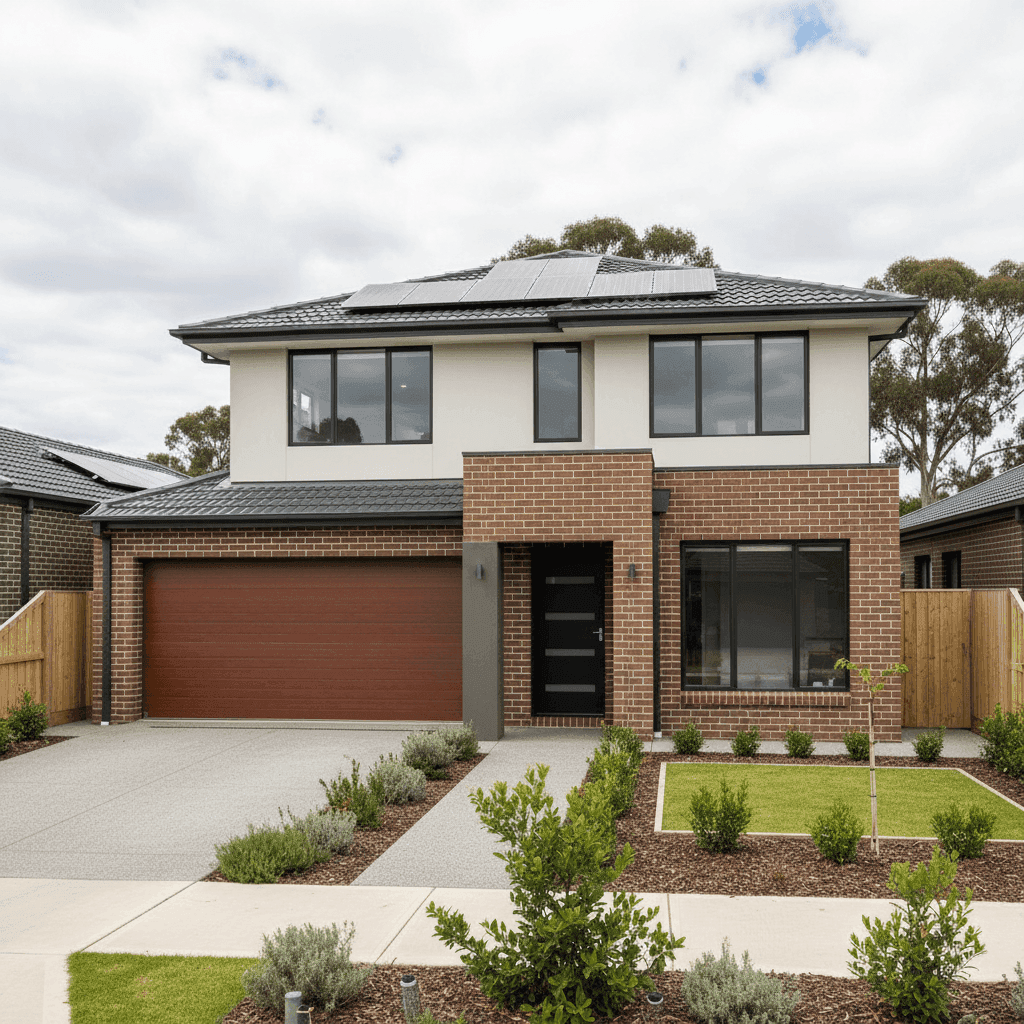
Mernda is one of Melbourne's fastest-growing northern suburbs, and with new housing estates continuing to expand across postcode 3754, home insurance is a topic on many residents' minds. This article breaks down a real home and contents insurance quote for a four-bedroom, free-standing home in Mernda — and puts the numbers in context so you can judge whether you're paying a fair price.
---
Is This Quote Fair?
The quote in question comes in at $1,139 per year (or about $109 per month) for combined home and contents cover, with a building sum insured of $646,000 and contents valued at $50,000. The building excess sits at $2,000 and the contents excess at $1,000.
Our pricing analysis rates this quote as Fair — Around Average, which is a solid result. Here's why that matters: insurance premiums can vary enormously depending on the insurer, the risk profile of the property, and how the cover is structured. Landing near the middle of the market means this quote is neither suspiciously cheap (which can signal gaps in cover) nor significantly overpriced.
That said, "fair" doesn't necessarily mean "the best available." There may well be competitive quotes below the suburb's 25th percentile of $966 per year that still offer comparable cover — which is why comparing multiple options is always worthwhile.
---
How Mernda Compares
The numbers tell an interesting story when you stack this quote against broader benchmarks. Based on data from 116 quotes collected for Mernda (postcode 3754):
| Benchmark | Premium |
|---|---|
| This quote | $1,139/yr |
| Mernda suburb average | $1,679/yr |
| Mernda suburb median | $1,577/yr |
| Mernda 25th percentile | $966/yr |
| Mernda 75th percentile | $2,018/yr |
At $1,139, this quote sits below both the suburb average and median, placing it in the more affordable half of the Mernda market. That's a meaningful saving compared to what many local homeowners are paying.
Zoom out further and the picture becomes even more favourable. Across Victoria, the average home insurance premium is $2,921 per year and the median is $2,694 — more than double this quote. At the national level, the average sits at $2,965 and the median at $2,716.
Perhaps the most striking comparison is against the broader Nillumbik LGA average of $4,494 per year. Mernda falls within Nillumbik Shire, which encompasses bushfire-prone areas like Eltham, Hurstbridge, and Diamond Creek. Those higher-risk pockets drag the LGA average up considerably. The fact that Mernda's suburb-level premiums are substantially lower reflects its position as a newer, lower-risk urban growth corridor rather than a rural-fringe or bushland setting.
---
Property Features That Affect Your Premium
Several characteristics of this property work in the homeowner's favour when it comes to pricing.
Construction year (2019): A relatively new build means the home was constructed to modern Australian building standards, which typically translates to better structural integrity, improved fire resistance, and reduced likelihood of maintenance-related claims. Insurers generally reward newer homes with more competitive premiums.
Brick veneer walls and tiled roof: This is one of the most common and insurer-friendly construction combinations in suburban Melbourne. Brick veneer offers solid weather resistance and fire performance, while concrete or terracotta tiles are durable and less susceptible to storm damage than some alternative roofing materials. Together, they represent a lower-risk profile compared to timber-clad or Colorbond-roofed homes in certain contexts.
Slab foundation: A concrete slab is the standard for modern builds and is generally viewed favourably by insurers — there's no subfloor cavity to worry about, and it's associated with fewer issues related to subsidence or pest ingress.
Solar panels: The property has rooftop solar, which is worth noting. Some insurers include solar panels under building cover automatically, while others treat them as an optional add-on. It's important to confirm with your insurer that your panels — and any associated inverter equipment — are explicitly covered under your policy.
Ducted climate control: Ducted heating and cooling systems add value to the home and should be factored into your building sum insured. Replacement costs for ducted systems can run into the thousands, so it's worth ensuring your $646,000 sum insured accounts for this.
Timber and laminate flooring: Contents policies typically cover floor coverings, but some building policies include fixed floor coverings as part of the structure. Check whether your policy treats timber or laminate flooring as a building or contents item — the distinction matters at claim time.
No pool, no cyclone risk: The absence of a swimming pool removes a liability exposure that can push premiums higher. And as a non-cyclone area, Mernda avoids the significant premium loadings that affect properties in northern Queensland and parts of Western Australia.
---
Tips for Homeowners in Mernda
1. Review your building sum insured annually Construction costs have risen significantly in recent years. The $646,000 sum insured here may be appropriate today, but it's worth reassessing each year — ideally using a quantity surveyor's estimate or an online rebuild cost calculator — to ensure you're not underinsured. Remember, the sum insured should reflect the cost to rebuild, not the market value of the property.
2. Confirm solar panel coverage explicitly Don't assume your solar system is covered. Ask your insurer directly whether the panels, mounting hardware, and inverter are included under the building definition in your policy, and whether accidental damage is covered (for example, if a panel is cracked during a storm).
3. Shop around at renewal time Even with a fair quote, the insurance market shifts constantly. Insurers reprice risk regularly, and loyalty doesn't always pay. Set a reminder to compare quotes a few weeks before your renewal date each year — even a modest saving of $200–$300 per year compounds over time.
4. Consider your excess levels strategically This policy carries a $2,000 building excess and $1,000 contents excess. Higher excesses typically reduce your premium, but make sure you can comfortably cover the excess out of pocket if you need to make a claim. If cash flow is a concern, a lower excess with a slightly higher premium might be a better fit for your circumstances.
---
Compare Your Home Insurance Options
Whether you're a new homeowner in Mernda or coming up to renewal, it pays to see what the market is offering. CoverClub makes it easy to compare home and contents insurance quotes side by side, so you can find cover that suits your property and your budget. Get a quote today at CoverClub and see how your current premium stacks up.