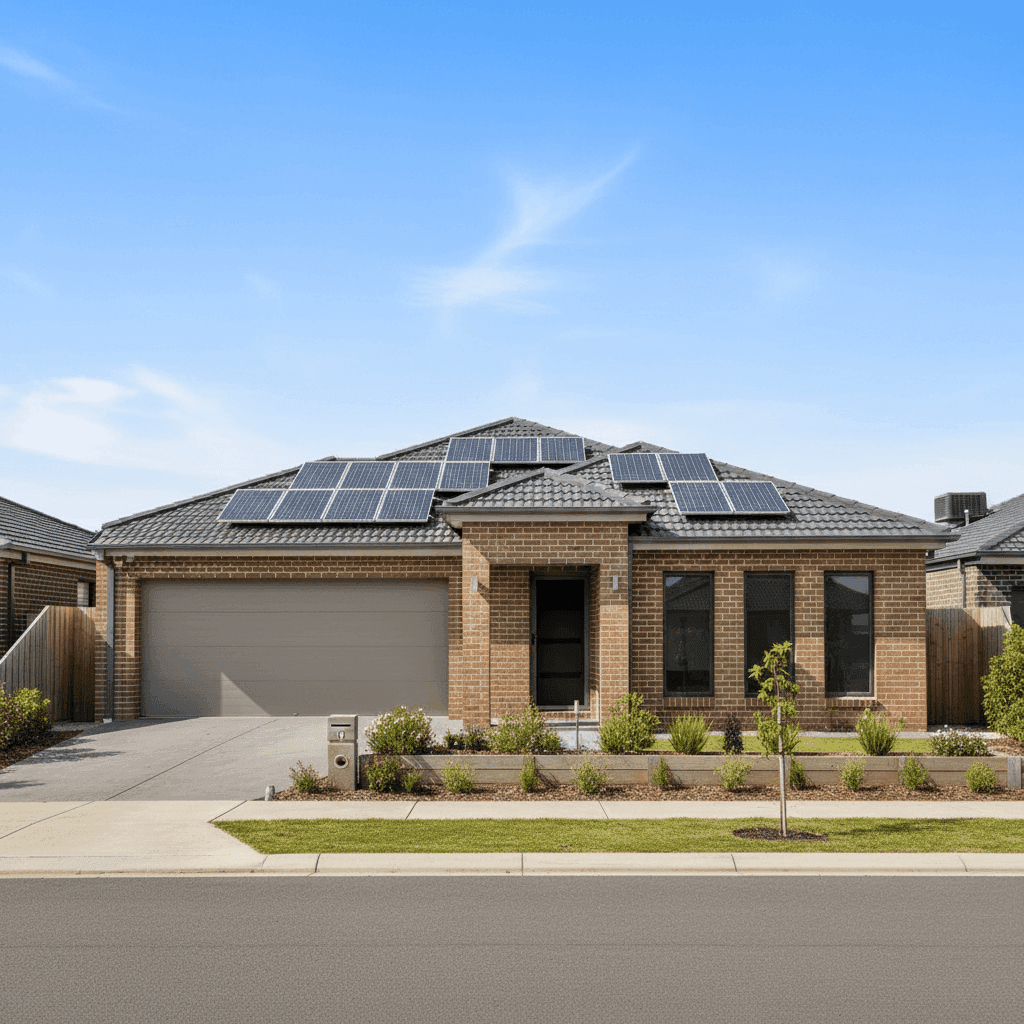
Mernda is a fast-growing outer northern suburb of Melbourne, known for its modern residential estates and family-friendly streets. If you own a free standing home here — particularly a brick veneer build from the 2000s — understanding what you should be paying for home and contents insurance is an important part of protecting one of your biggest assets. This article breaks down a recent quote for a 4-bedroom, 2-bathroom home in Mernda (postcode 3754) and puts the numbers in context.
---
Is This Quote Fair?
The quote in question comes in at $1,519 per year (or $149/month) for combined home and contents cover, with a building sum insured of $900,000 and contents valued at $175,000. The building excess is $2,000, and the contents excess is $600.
CoverClub's pricing engine rates this quote as Fair — Around Average, which is a reasonable outcome for a property of this size and specification. It's not the cheapest cover on the market, but it's also well clear of the higher end of what Mernda homeowners are paying.
To put that in perspective: the suburb's average premium sits at $1,679/year, and the median is $1,577/year — meaning this quote comes in below both benchmarks. That's a modest but meaningful saving compared to what many neighbours are paying for similar cover.
The building excess of $2,000 is on the higher side, which is one of the levers insurers use to bring the annual premium down. If you'd prefer a lower excess in the event of a claim, it's worth requesting an alternative quote with a $1,000 building excess to see how that affects the annual cost.
---
How Mernda Compares
One of the most striking takeaways from this data is just how competitively priced Mernda is relative to broader benchmarks. Here's a quick snapshot:
| Benchmark | Average Premium | Median Premium |
|---|---|---|
| Mernda (3754) | $1,679/yr | $1,577/yr |
| Victoria | $2,921/yr | $2,694/yr |
| National | $2,965/yr | $2,716/yr |
| Nillumbik LGA | $4,494/yr | — |
Based on Victoria-wide data, the average homeowner across the state pays $2,921/year — nearly double what this Mernda quote costs. Nationally, the picture is similar, with the average sitting at $2,965/year.
Perhaps most striking is the comparison to the broader Nillumbik LGA average of $4,494/year. Mernda sits within the Nillumbik local government area, yet premiums in this postcode are dramatically lower than the LGA average. This is largely because other parts of Nillumbik — such as Eltham North, Hurstbridge, and areas closer to the Kinglake ranges — carry significantly higher bushfire risk, which pushes LGA-wide averages up considerably. Mernda, being a flat, established urban area further from bushland, benefits from a much lower risk profile.
The spread within Mernda itself is also worth noting. The 25th percentile sits at $966/year, while the 75th percentile reaches $2,018/year — a range of over $1,000 across 116 quotes sampled. This highlights just how much variation exists depending on the insurer, the level of cover, and individual property features.
---
Property Features That Affect Your Premium
Several characteristics of this particular property influence where the premium lands.
Brick veneer construction is generally viewed favourably by insurers. It's a durable, fire-resistant material that performs well in the event of accidental damage or extreme weather. Combined with a tiled roof, this property sits in a lower-risk construction category compared to homes with timber cladding or metal roofing in storm-prone areas.
The concrete slab foundation is standard for homes built in this era and poses no particular risk concern. Similarly, the 2008 construction year places the home within a period of solid building regulation compliance, which insurers tend to price more favourably than older homes that may have outdated wiring or plumbing.
Timber and laminate flooring can be a consideration in contents cover — these materials are more susceptible to water damage than tiles, so it's worth ensuring your policy includes adequate cover for floor coverings under events like burst pipes or storm ingress.
The presence of solar panels is worth flagging. Not all standard home insurance policies automatically cover solar panels as part of the building sum insured — some treat them as an optional extension. It's worth confirming with your insurer that the $900,000 building sum insured explicitly includes the solar system, including inverters and mounting hardware.
Ducted climate control is another high-value fixed asset. As a permanent fixture, it should be included in the building sum insured, but it's always worth double-checking this is the case — particularly if the system was installed after the original build.
The 214 sqm building size is above average for a suburban Melbourne home, which contributes to the higher sum insured. Ensuring your building sum insured reflects the actual cost to rebuild (not the market value of the property) is critical — underinsurance remains one of the most common and costly mistakes Australian homeowners make.
---
Tips for Homeowners in Mernda
1. Review your building sum insured regularly Construction costs have risen sharply in recent years. A sum insured set even two or three years ago may no longer be sufficient to fully rebuild your home. Use an independent building cost calculator annually and adjust your cover accordingly.
2. Confirm solar panels are explicitly covered Ask your insurer directly whether solar panels, inverters, and associated hardware are included under the building section of your policy. If not, request an endorsement or explore insurers who include this as standard.
3. Consider the trade-off on excess The $2,000 building excess on this policy is relatively high. While it reduces your annual premium, it means a larger out-of-pocket cost if you need to make a claim. If you're in a financial position to absorb a higher excess, it can be a smart way to save — but make sure the saving is genuinely worth the risk.
4. Shop around at renewal time Insurance loyalty rarely pays off in Australia. Insurers frequently offer better rates to new customers than they pass on to existing ones. Use a comparison tool like CoverClub at least once a year to make sure you're not overpaying — especially given the wide spread of premiums seen in Mernda.
---
Compare Your Own Quote
Whether you're renewing your existing policy or shopping for cover for the first time, it pays to know where your premium sits relative to your neighbours. CoverClub makes it easy to benchmark your quote against real data from your suburb, state, and across Australia. Get a home insurance quote today and see how your premium stacks up — you might be surprised at what you could save.