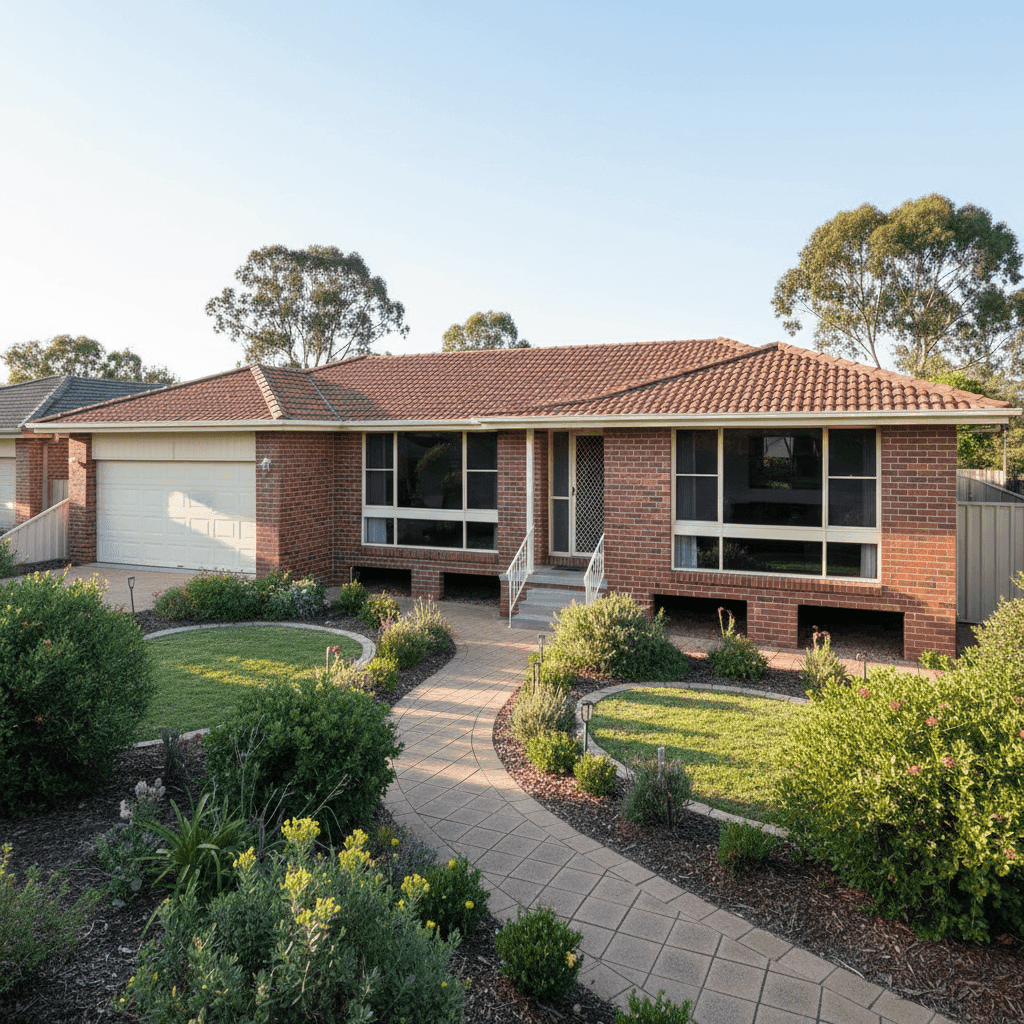
Mill Park is a well-established residential suburb in Melbourne's northern corridor, sitting within the City of Whittlesea and popular with families drawn to its leafy streets, good schools, and relatively affordable housing. For owners of a four-bedroom, two-bathroom free standing home in this postcode, understanding what a fair home insurance premium looks like — and what drives it — can make a real difference at renewal time.
This article breaks down a real home and contents insurance quote for a brick veneer property in Mill Park (VIC 3082), comparing it against local, state, and national benchmarks so you can judge whether you're getting good value.
---
Is This Quote Fair?
The quote in question comes in at $1,776 per year (or $170/month) for combined home and contents cover, with a building sum insured of $655,000 and contents valued at $70,000. Both the building and contents carry a $1,000 excess.
CoverClub's pricing engine rates this quote as Fair — Around Average, and the data backs that up. At $1,776/yr, this premium sits comfortably between the suburb's 25th percentile ($1,641/yr) and the median ($2,161/yr), meaning it's better than roughly half of all quotes collected in the area. It's also almost exactly in line with the Whittlesea LGA average of $1,774/yr — essentially a dollar apart.
This is genuinely solid territory. The quote isn't rock-bottom cheap, but it's meaningfully below the suburb average of $2,342/yr and well clear of the 75th percentile at $2,803/yr. Homeowners sitting in this range are neither overpaying nor cutting corners on cover.
---
How Mill Park Compares
Zooming out reveals just how favourably Mill Park stacks up against broader benchmarks. Based on 138 quotes collected in the 3082 postcode, here's how the numbers line up:
| Benchmark | Annual Premium |
|---|---|
| This Quote | $1,776 |
| Mill Park Suburb Average | $2,342 |
| Mill Park Suburb Median | $2,161 |
| Whittlesea LGA Average | $1,774 |
| VIC State Average | $3,000 |
| VIC State Median | $2,718 |
| National Average | $5,347 |
| National Median | $2,764 |
The contrast with Victoria's state average of $3,000/yr is striking — this quote is about 41% cheaper than the typical Victorian premium. And when you look at the national picture, where the average premium sits at $5,347/yr (heavily skewed by high-risk areas like Far North Queensland and coastal flood zones), Mill Park looks like genuinely affordable territory.
Part of this comes down to geography. Mill Park is not classified as a cyclone risk area, and while parts of the northern suburbs can experience flash flooding, the suburb generally avoids the extreme weather premiums that push costs up elsewhere in Australia. That regional advantage is clearly reflected in the pricing data.
---
Property Features That Affect Your Premium
Several characteristics of this particular home work in the owner's favour when it comes to insurance pricing.
Brick Veneer Construction Brick veneer is one of the most common wall types in Melbourne's suburban housing stock and is generally viewed favourably by insurers. It offers solid fire resistance and structural durability compared to timber-clad homes, which can translate to lower rebuilding risk assessments.
Tiled Roof Concrete or terracotta tiles are considered a resilient roofing material — more resistant to ember attack and general weathering than Colorbond or corrugated iron in some risk models, though heavier and more prone to cracking in hail events. Overall, tiles are a neutral-to-positive factor for most insurers in Victoria.
Elevated Foundation (Stumps) This home sits elevated by at least one metre on stumps, which is an interesting feature for a 1997 build in Melbourne's north. Elevation can offer some protection against surface water ingress during heavy rainfall events, though it may also introduce specific considerations around subfloor access and maintenance. Insurers typically assess stump foundations on a case-by-case basis.
Year Built: 1997 A late-1990s build sits in a comfortable middle ground — old enough to have settled and proven structurally, but modern enough to have been built under reasonably contemporary building codes. This generally keeps rebuilding cost estimates predictable.
No Pool, No Solar Panels The absence of a pool removes a meaningful liability and maintenance risk from the policy. Solar panels, while increasingly common, can add complexity around storm and hail damage claims. Neither being present here keeps the risk profile clean and straightforward.
Ducted Climate Control Ducted heating and cooling systems are a standard inclusion in four-bedroom homes of this era and size (214 sqm). These systems are typically covered under building insurance and don't significantly move the premium needle on their own, but they do contribute to the overall replacement cost estimate.
---
Tips for Homeowners in Mill Park
1. Review Your Sum Insured Annually Construction costs in Victoria have risen sharply in recent years. A building sum insured of $655,000 for a 214 sqm brick veneer home is reasonable, but it's worth cross-checking against current per-square-metre rebuild costs in your area. Underinsurance is one of the most common — and costly — mistakes homeowners make.
2. Consider Raising Your Excess to Lower Your Premium Both the building and contents excess are set at $1,000 here. If you have a solid emergency fund and rarely make small claims, increasing your excess to $2,000 or more can meaningfully reduce your annual premium. Just make sure the saving justifies the extra out-of-pocket cost if you do need to claim.
3. Don't Set and Forget Your Contents Value $70,000 in contents cover is a common starting point, but it's easy to underestimate how quickly the value of furniture, appliances, clothing, and electronics adds up. Do a room-by-room audit every year or two — especially after significant purchases — to make sure you're not left short after a claim.
4. Compare Quotes at Renewal Time The insurance market is competitive, and premiums can vary significantly between providers for the same property and level of cover. Even if your current quote is rated Fair, there may be better value available. Running a fresh comparison before each renewal takes only a few minutes and can save hundreds of dollars.
---
Ready to Compare?
Whether you're reviewing your current policy or shopping for the first time, CoverClub makes it easy to see how your premium stacks up. Get a home insurance quote in minutes and compare it against real data from your suburb, your LGA, and across Australia — so you always know exactly where you stand.