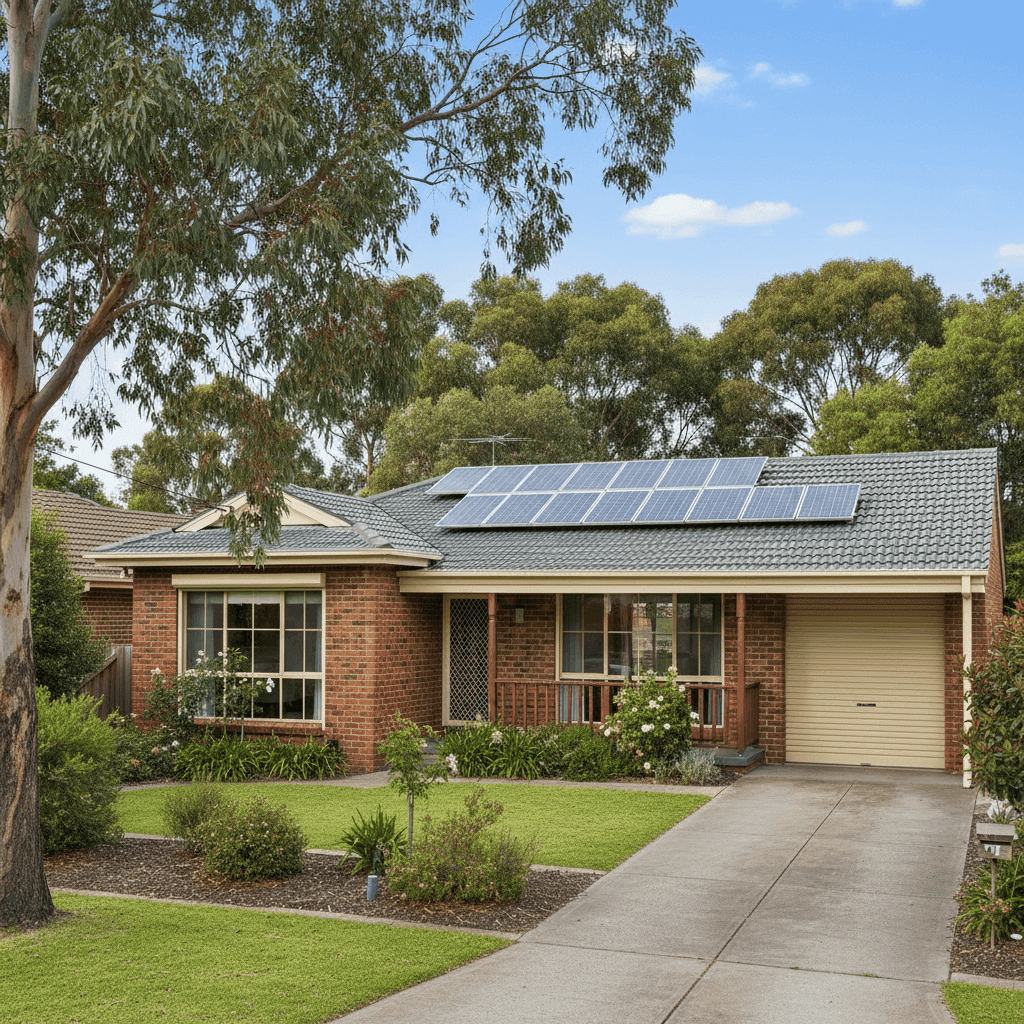
Mill Park is a well-established residential suburb in Melbourne's northern corridor, sitting within the City of Whittlesea roughly 20 kilometres from the CBD. It's a popular choice for families, thanks to its leafy streets, good schools, and easy access to the Plenty Valley Town Centre. For homeowners here, understanding what a fair home insurance premium looks like — and what drives it — can make a real difference when it comes time to renew or shop around.
This article breaks down a recent home and contents insurance quote for a four-bedroom, two-bathroom free-standing home in Mill Park, benchmarking it against local, state, and national data so you can see exactly where it sits.
---
Is This Quote Fair?
The quote in question comes in at $1,404 per year (or $142 per month), covering both building and contents — with a building sum insured of $719,000 and contents valued at $100,000. The building excess is $3,000 and the contents excess is $1,000.
Based on our pricing data, this quote is rated CHEAP — meaning it sits meaningfully below the average for comparable properties in Mill Park. To put that in perspective:
- The suburb average for Mill Park is $1,872/yr, and the median sits higher at $2,034/yr
- This quote is $468 below the suburb average — a saving of roughly 25%
- It also sits below the suburb's 25th percentile of $1,559/yr, meaning it's cheaper than at least three-quarters of quotes gathered in the area
That's a genuinely competitive result. A premium at this level suggests a combination of favourable property characteristics, a well-calibrated sum insured, and possibly a higher excess trade-off — particularly the $3,000 building excess, which is on the higher side and will contribute to keeping the annual cost down.
---
How Mill Park Compares
To fully appreciate this quote, it helps to zoom out and look at the broader pricing landscape. You can explore the full data on our Mill Park insurance statistics page, the Victoria state overview, or the national comparison page.
| Benchmark | Average Premium | Median Premium |
|---|---|---|
| Mill Park (3082) | $1,872/yr | $2,034/yr |
| LGA – Whittlesea | $1,850/yr | — |
| Victoria (VIC) | $2,921/yr | $2,694/yr |
| Australia (National) | $2,965/yr | $2,716/yr |
A few things stand out here. Mill Park and the broader Whittlesea LGA sit significantly below both the Victorian and national averages — by more than $1,000 per year in some comparisons. This reflects the suburb's relatively low exposure to catastrophic weather events such as cyclones, coastal flooding, or severe bushfire risk, which can dramatically inflate premiums in other parts of the country.
Victoria's state average of $2,921/yr is elevated partly due to high-risk areas like the Dandenong Ranges, coastal zones, and flood-prone regions in the north and west of the state. Mill Park, by contrast, is a comparatively low-risk postcode — and that's reflected in the pricing.
Our sample for Mill Park is based on 81 quotes, which gives a solid statistical foundation for these comparisons.
---
Property Features That Affect Your Premium
Every property is different, and insurers assess a wide range of physical characteristics when calculating your premium. Here's how the features of this particular home factor in:
Brick Veneer Walls Brick veneer is one of the most common external wall types across Melbourne's suburban belt, and insurers generally view it favourably. It offers solid fire resistance and durability, which can contribute to a more competitive premium compared to timber or weatherboard construction.
Tiled Roof A tiled roof is similarly well-regarded by insurers. Tiles are durable, fire-resistant, and widely used across Victoria. They tend to hold up well in storms compared to corrugated iron or older materials, reducing the likelihood of weather-related claims.
Stump Foundation The property sits on stumps, which is common for homes built in Melbourne's northern suburbs during the latter half of the 20th century. Stumped foundations can be more susceptible to movement over time, particularly in areas with reactive clay soils — something insurers may factor into their risk assessment. It's worth ensuring your policy adequately covers structural movement or subsidence scenarios.
Construction Year: 1990 At around 35 years old, this home is mature but not ancient. Properties of this era are generally well-understood by insurers — they've been through enough building cycles to have known risk profiles, and they typically predate some of the more problematic modern building materials (like certain cladding types) that have driven up premiums elsewhere.
Solar Panels This property has solar panels installed, which is increasingly common across Victoria. Solar panels add replacement value to the home and can be a source of claims if damaged by hail or storms. It's important to confirm with your insurer that solar panels are explicitly covered under your building policy, as some policies treat them as an optional add-on.
Ducted Climate Control Ducted heating and cooling systems are a significant fixed asset in the home. They should be included in your building sum insured calculation, and at $719,000, this property's coverage appears to account for a well-appointed 214 sqm home with these inclusions.
No Pool The absence of a pool removes one common source of liability and maintenance-related claims, which can subtly keep premiums lower.
---
Tips for Homeowners in Mill Park
1. Review your building sum insured regularly Construction costs across Melbourne have risen sharply in recent years. A sum insured of $719,000 for a 214 sqm brick veneer home in Mill Park appears reasonable, but it's worth recalculating your rebuild cost annually — not just the market value of the land and property. Underinsurance is one of the most common and costly mistakes homeowners make.
2. Understand the excess trade-off This quote carries a $3,000 building excess, which is higher than typical. While this brings the annual premium down, it means you'd need to cover the first $3,000 of any building claim yourself. Consider whether this level of self-insurance suits your financial position, especially for mid-range claims like storm damage or a burst pipe.
3. Confirm solar panel coverage With solar panels on the roof, check your policy's product disclosure statement (PDS) carefully. Some standard building policies cover panels as part of the building sum insured, while others require a specific endorsement. Given the cost of replacing a solar system, this is worth clarifying before you need to make a claim.
4. Compare quotes at renewal — not just price Mill Park is a competitive postcode for home insurance, as this quote demonstrates. But the cheapest option isn't always the best fit. When comparing, look at what's included (and excluded), claim limits, and the insurer's reputation for handling claims fairly. Run a comparison at CoverClub to see how your current premium stacks up.
---
Find a Better Deal with CoverClub
Whether you're a first-time buyer or a long-term Mill Park resident reviewing your annual renewal, CoverClub makes it easy to see how your home insurance premium compares to others in your suburb, your state, and across Australia. With real quote data — not estimates — you'll know straight away whether you're getting a fair deal or paying too much. Get a home insurance quote today and see where you stand.