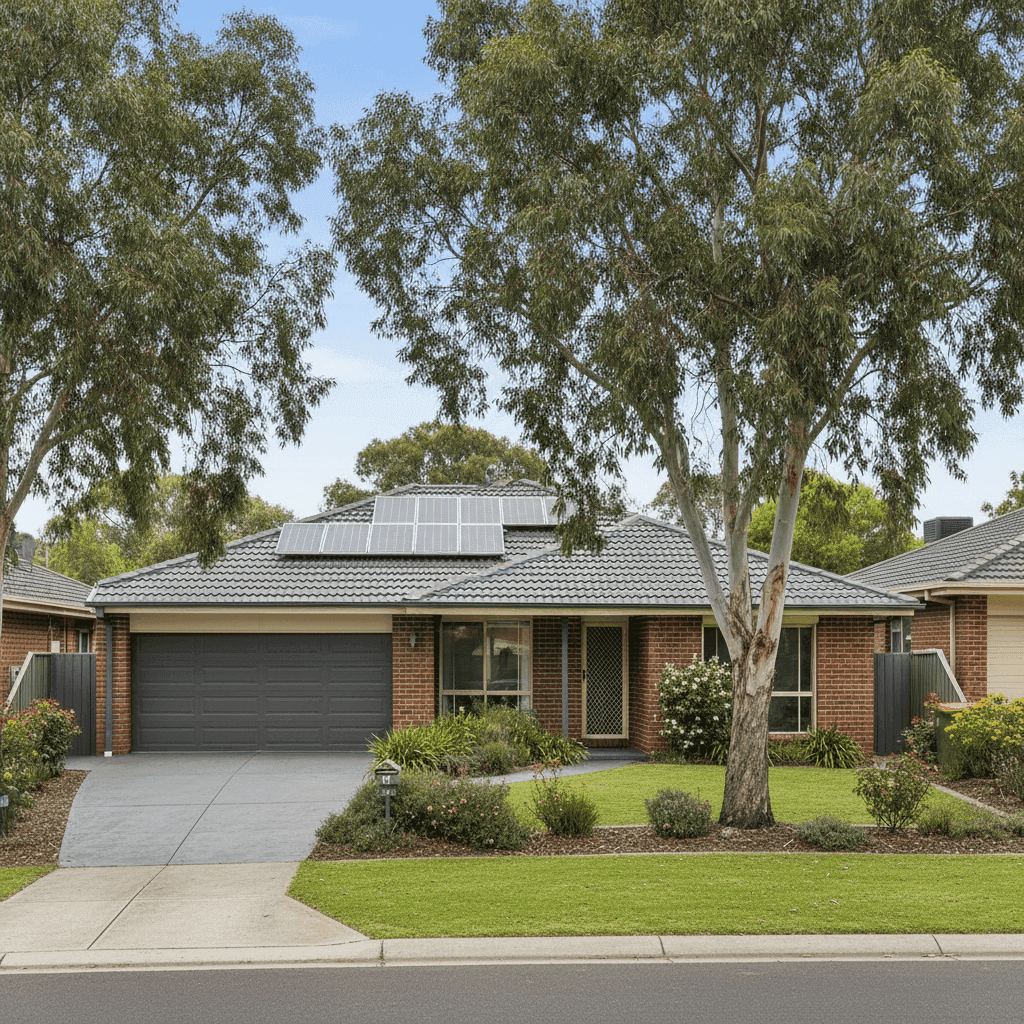
If you own a free standing home in Mill Park, VIC 3082, you're probably curious about what a competitive home and contents insurance premium looks like — and whether the quote sitting in your inbox is actually worth accepting. We've analysed a real insurance quote for a four-bedroom, two-bathroom brick veneer home in Mill Park to help you understand exactly where it sits in the market.
---
Is This Quote Fair?
The annual premium for this property came in at $1,571 per year (or roughly $159/month), covering both building and contents. The building is insured for $840,000 with a $3,000 excess, and contents are covered for $174,000 with a $500 excess.
Our price rating for this quote is FAIR — Around Average.
To put that in context, the suburb average for Mill Park sits at $1,872/year, with a median of $2,034/year. This quote lands comfortably below both figures, and it also falls just above the suburb's 25th percentile of $1,559/year — meaning it's in the more affordable bracket of quotes seen in the area, without being an outlier.
So while "fair" might not sound like a glowing endorsement, in practice this is a solid result. The homeowner is paying less than the majority of their neighbours for comparable cover, which is a meaningful saving over time.
---
How Mill Park Compares to the Rest of Victoria and Australia
One of the most useful ways to evaluate any insurance quote is to zoom out and look at the broader picture. Here's how Mill Park stacks up:
| Benchmark | Average Premium | Median Premium |
|---|---|---|
| Mill Park (suburb) | $1,872/yr | $2,034/yr |
| LGA (Whittlesea) | $1,850/yr | — |
| Victoria (state) | $2,921/yr | $2,694/yr |
| Australia (national) | $2,965/yr | $2,716/yr |
The numbers tell a clear story. Mill Park — and the broader City of Whittlesea — is significantly more affordable to insure than the Victorian and national averages. The state average for VIC of $2,921/year is nearly 56% higher than what this homeowner is paying, and the national average of $2,965/year is almost double this quote.
This gap reflects a few things: Mill Park is not in a high-bushfire-risk corridor, it doesn't face cyclone exposure, and the area has relatively stable flood risk compared to many other parts of Australia. For homeowners in Melbourne's northern suburbs, this translates to genuinely lower baseline premiums.
Based on 81 quotes collected in the suburb, the interquartile range runs from $1,559 to $2,068/year, meaning this quote sits right in the heart of what's typical for the area — neither suspiciously cheap nor overpriced.
---
Property Features That Affect Your Premium
Every insurance quote is shaped by the specific characteristics of the property. Here's how this home's features likely influenced its pricing:
Brick Veneer Construction Brick veneer is one of the most common wall types in Melbourne's suburban homes, and insurers generally view it favourably. It offers solid fire resistance and structural durability compared to timber-framed or weatherboard homes, which can help keep premiums in check.
Tiled Roof Terracotta or concrete tiles are considered a low-to-moderate risk roofing material. They're durable and perform well in most weather conditions, though they can be more costly to repair after hail events than Colorbond steel. Overall, a tiled roof is a neutral-to-positive factor for pricing.
Stump Foundation Homes on stumps (also known as pier foundations) are common in Victoria, particularly in properties built before the 2000s. This foundation type can be more susceptible to movement over time, but it also makes plumbing and underfloor access easier. Insurers typically price this at standard rates unless there's evidence of significant subsidence risk.
Solar Panels This property has solar panels installed, which adds a small amount to the insured value of the building. Solar systems can be damaged by hail, storm, or fire, and their replacement cost is meaningful — so it's important to ensure your building sum insured accounts for them. At $840,000, this home appears well-covered.
Ducted Climate Control Ducted heating and cooling systems are a significant fixed asset in any home. They're expensive to replace and can be a source of claims if damaged by water ingress or electrical faults. Having this noted in your policy ensures it's captured under the building cover.
1995 Construction A home built in 1995 is approaching 30 years old. While it's well past the "new build" stage, it's also not old enough to carry the heritage risks associated with pre-1970s construction. Homes of this era tend to be well-understood by insurers and priced accordingly.
---
Tips for Homeowners in Mill Park
Whether you're reviewing an existing policy or shopping around for the first time, here are a few practical steps worth taking:
1. Review your building sum insured regularly At $840,000, this home's building cover is substantial — but construction costs have risen sharply in recent years. It's worth checking your sum insured against current rebuild cost estimates annually, especially if you've done any renovations or additions. Underinsurance is one of the most common (and costly) mistakes homeowners make.
2. Don't overlook the excess trade-off This quote carries a $3,000 building excess, which is on the higher end. A higher excess typically reduces your premium, but it means you're carrying more risk out-of-pocket when you do need to claim. Consider whether that trade-off suits your financial situation — sometimes a slightly higher premium with a lower excess is the smarter choice.
3. Check that your solar panels are explicitly covered Not all policies automatically include solar panel systems under building cover. Confirm with your insurer that your panels — including inverters and mounting hardware — are covered for storm, hail, and accidental damage.
4. Compare quotes before renewal The insurance market shifts regularly, and loyalty doesn't always pay. With 81 quotes on record for Mill Park alone, there's meaningful variation in what different insurers will charge for the same property. Get a fresh quote at CoverClub before your renewal date to make sure you're still getting a competitive rate.
---
Ready to See What You Could Be Paying?
Whether you're a first-time buyer or a long-term Mill Park resident, it pays to know where your premium stands. CoverClub makes it easy to compare home and contents insurance quotes in one place — no jargon, no pressure, just clear data to help you make a confident decision.
Compare home insurance quotes for your Mill Park property →
You can also explore detailed pricing data for your area on the Mill Park suburb stats page or browse Victoria-wide insurance trends to see how your suburb fits into the bigger picture.