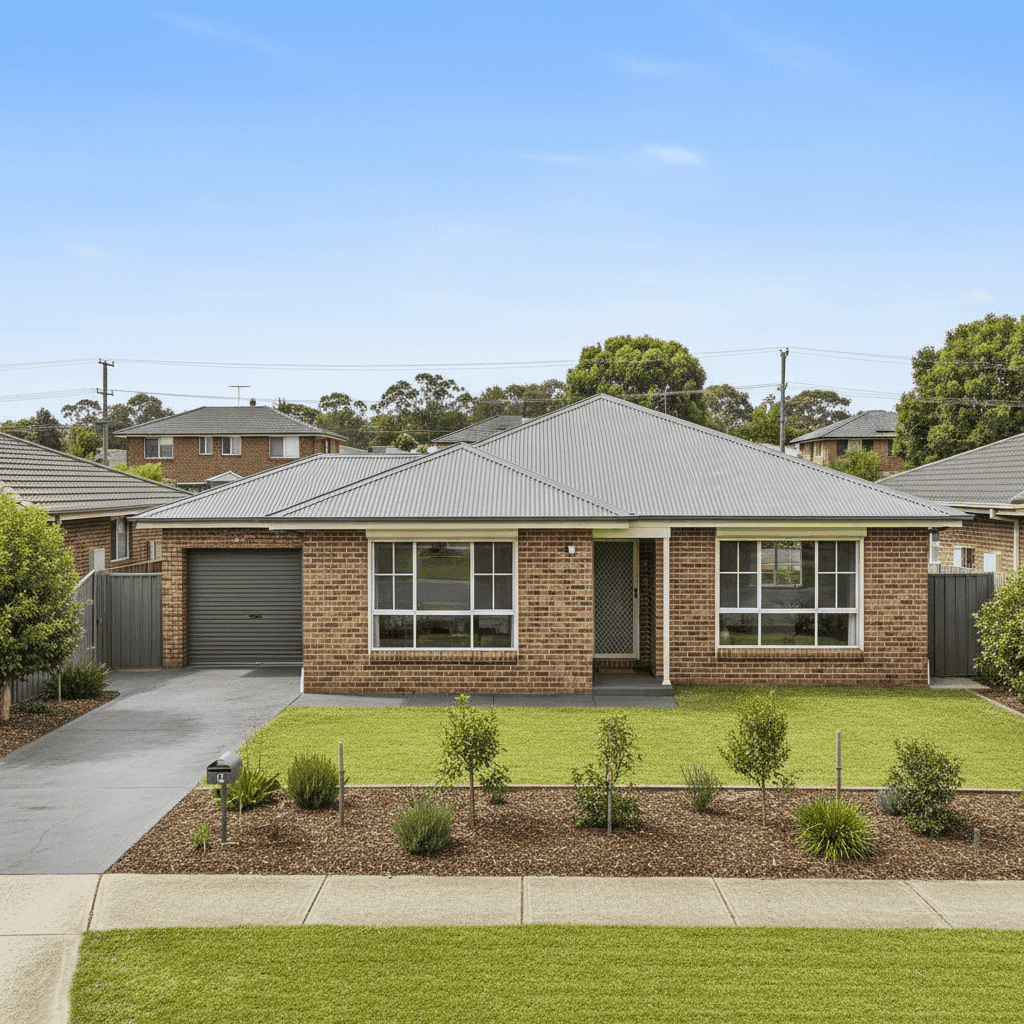
Mill Park is a well-established suburb in Melbourne's northern corridor, sitting within the City of Whittlesea about 22 kilometres from the CBD. Known for its family-friendly streets, proximity to Plenty Gorge Parklands, and a solid mix of brick homes built through the late 1980s and 1990s, it's the kind of suburb where homeowners take their property seriously — and so should their insurance.
This article breaks down a real home and contents insurance quote for a five-bedroom free standing home in Mill Park (VIC 3082), comparing it against local, state, and national benchmarks to help you understand whether the price stacks up.
---
Is This Quote Fair?
The annual premium on this quote comes in at $2,633 per year (or $251 per month), covering a building sum insured of $882,000 and contents valued at $265,000, each with a $1,000 excess.
CoverClub's pricing engine rates this quote as Fair — Around Average, and the numbers back that up. At $2,633, the premium sits comfortably above the suburb's median of $2,161 but well within the 75th percentile of $2,803 — meaning roughly three-quarters of comparable quotes in Mill Park come in at a similar price or lower, and about one quarter are more expensive.
Given the size of this property — 358 square metres with five bedrooms and two bathrooms — a premium in this range is reasonable. Larger homes naturally attract higher building sums insured, which pushes premiums upward. An $882,000 building cover figure is substantial but not unusual for a home of this footprint in Melbourne's north, where construction costs have climbed sharply in recent years.
In short: this isn't a bargain, but it's not a rip-off either. There's room to shop around, but the quote reflects genuine market pricing for a home of this size and specification.
---
How Mill Park Compares
Understanding where your premium sits relative to broader benchmarks gives you real negotiating power. Here's how this quote measures up:
| Benchmark | Premium |
|---|---|
| This quote | $2,633/yr |
| Mill Park suburb average | $2,342/yr |
| Mill Park suburb median | $2,161/yr |
| Mill Park 25th percentile | $1,641/yr |
| Mill Park 75th percentile | $2,803/yr |
| VIC state average | $3,000/yr |
| VIC state median | $2,718/yr |
| National average | $5,347/yr |
| National median | $2,764/yr |
| LGA (Whittlesea) average | $1,774/yr |
(Based on 138 quotes sampled in the Mill Park area.)
A few things stand out here. First, this quote beats the Victorian state average of $3,000 by a meaningful margin — a positive sign for the policyholder. Second, when compared against national figures, Mill Park looks like relatively affordable territory. The national average of $5,347 is heavily skewed by high-risk regions — cyclone-prone parts of Queensland and Northern Australia, bushfire-affected areas, and flood-prone communities — none of which apply here.
The LGA average for Whittlesea ($1,774) is notably lower than this quote, which is worth flagging. The LGA figure encompasses a wide range of properties, including smaller homes and units, so the comparison isn't entirely apples-to-apples for a five-bedroom home. Still, it suggests there may be room to tighten the premium with the right insurer.
---
Property Features That Affect Your Premium
Every property has a unique risk profile, and insurers price accordingly. Here's how the specific characteristics of this home influence its premium:
Brick Veneer Walls Brick veneer is one of the most common external wall types across Melbourne's suburban belt, and insurers generally view it favourably. It offers good fire resistance and durability, which can work in your favour at renewal time.
Steel / Colorbond Roof Colorbond roofing is a popular choice in Victoria and is well-regarded by insurers for its resilience against wind, rain, and fire. It's low-maintenance and long-lasting, which reduces the likelihood of weather-related claims.
Concrete Slab Foundation A slab foundation is standard for homes of this era and construction type. It's structurally sound and doesn't carry the subsidence or pest-related risks associated with older timber subfloor construction.
Construction Year: 1995 At around 30 years old, this home is mature but not aged. Homes from the mid-1990s were built to reasonable standards and are generally straightforward to insure, though some insurers may factor in the age of fixtures and fittings when assessing contents cover.
No Pool, No Solar Panels The absence of a pool removes a significant liability risk from the equation — pool-related incidents can inflate premiums noticeably. Similarly, no solar panels means one less potential source of electrical or roof-related claims.
Ducted Climate Control Ducted heating and cooling systems add value to a home but also represent a potential claims risk if they malfunction or cause water damage. This is reflected in the building sum insured and, to a lesser extent, the premium.
Tile Flooring Tiles are durable and low-risk from an insurer's perspective. They're less susceptible to water damage than carpet or timber, which can subtly reduce the likelihood of contents-related claims.
---
Tips for Homeowners in Mill Park
1. Review your building sum insured annually Construction costs in Victoria have risen significantly since 2020. If your building sum insured hasn't kept pace, you could be underinsured in the event of a total loss. Use a building cost calculator or ask your insurer to reassess — $882,000 for 358 square metres is in the right ballpark, but it's worth verifying.
2. Bundle building and contents for potential savings This quote already combines building and contents cover, which is a smart move. Many insurers offer discounts for bundled policies, so if you're currently holding separate policies, consolidating them could reduce your total outlay.
3. Consider raising your excess to lower your premium Both the building and contents excess on this policy sit at $1,000. Increasing your excess — say, to $1,500 or $2,000 — can meaningfully reduce your annual premium. Just make sure you're comfortable covering that amount out of pocket if you need to make a claim.
4. Shop the market at renewal Loyalty doesn't always pay in insurance. Insurers frequently offer better rates to new customers than to existing ones. Set a reminder to compare quotes 30 days before your renewal date — even if you end up staying with your current provider, you'll have the data to negotiate.
---
Ready to Compare?
Whether you're reviewing an existing policy or shopping for the first time, CoverClub makes it easy to see what the market looks like for your specific property. Get a quote today and find out if you're getting a fair deal — or if there's a better option waiting for you.