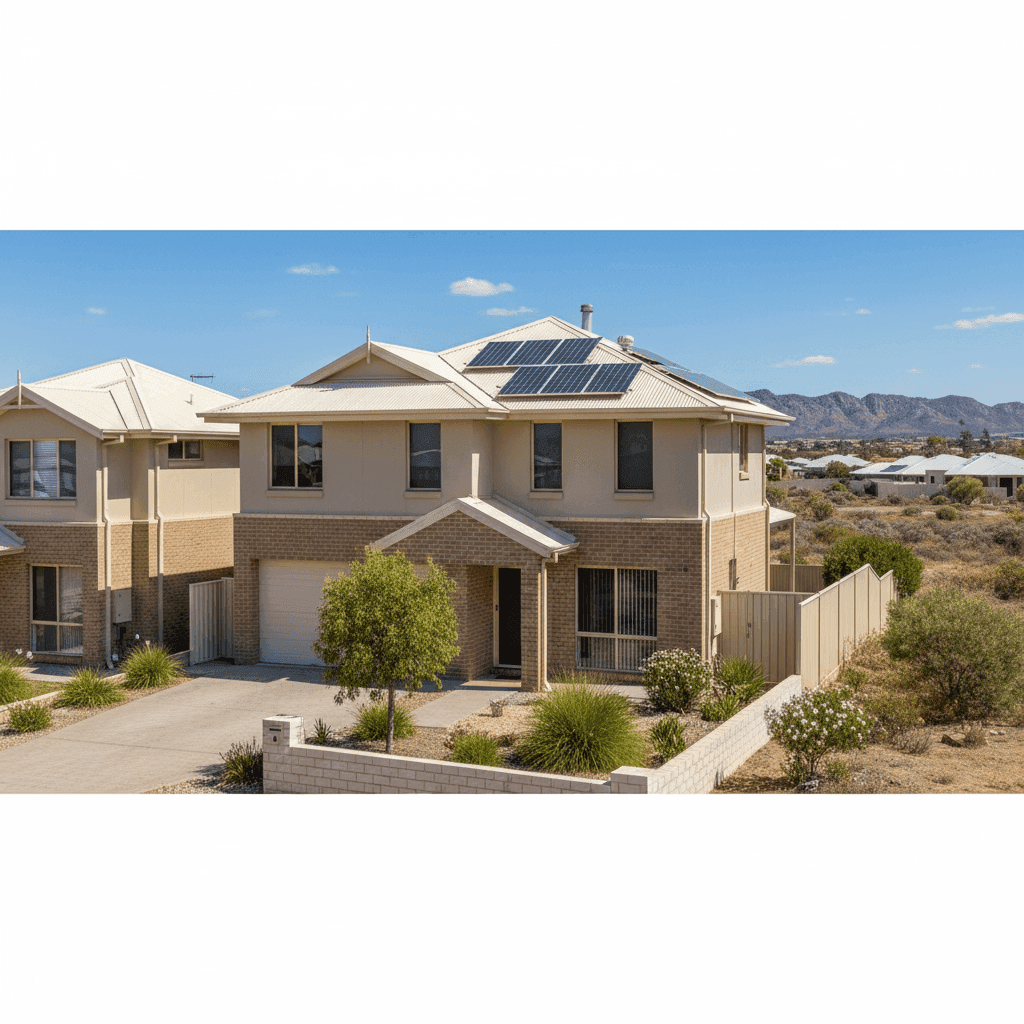
Millars Well is a well-established residential suburb in the City of Karratha, sitting at the heart of Western Australia's resource-rich Pilbara region. For homeowners here, insuring a property comes with its own unique set of considerations — from the remoteness of the region to the robust construction styles common in the area. This article breaks down a real home and contents insurance quote for a four-bedroom semi detached property in Millars Well (postcode 6714), examines how it stacks up against state and national benchmarks, and offers practical tips to help you get better value on your cover.
---
Is This Quote Fair?
The annual premium for this property comes in at $4,486 per year (or $423/month), covering both building (sum insured: $550,000) and contents ($50,000). Our price rating for this quote is Expensive — Above Average.
To put that in perspective:
- The WA state average premium is $2,144/yr, with a median of $1,944/yr
- The national average sits at $2,965/yr, with a national median of $2,716/yr
At $4,486, this quote is more than double the WA state average and roughly 51% above the national average. That's a significant gap, and it's worth understanding why before simply accepting the price — or shopping elsewhere.
That said, context is everything. Millars Well is located within the City of Karratha LGA, where the average home insurance premium is a striking $11,055/yr. Measured against that local benchmark, this quote is actually well below the LGA average — which suggests the property's specific characteristics and the insurer's risk assessment may be working in the homeowner's favour relative to nearby properties.
So while the premium is expensive by state and national standards, it may be quite competitive for the Karratha region specifically. The key takeaway: don't just compare to the national average — always consider your local market context.
---
How Millars Well Compares
Understanding where your suburb sits in the broader insurance landscape is crucial to evaluating any quote. Here's a snapshot:
| Benchmark | Average Premium |
|---|---|
| Karratha LGA Average | $11,055/yr |
| This Quote | $4,486/yr |
| National Average | $2,965/yr |
| WA State Average | $2,144/yr |
You can explore more detailed premium data for this postcode at the Millars Well suburb stats page, or compare across the state on the WA insurance stats page. For a broader view, the national home insurance stats offer useful context on how Australian premiums vary by region.
The Pilbara region commands higher premiums for several structural reasons: it's geographically remote, which increases rebuilding costs significantly; the local economy drives higher labour and materials costs; and while Millars Well itself is not classified as a cyclone risk area, surrounding parts of the Pilbara are — and insurers price regional exposure into their broader risk models.
---
Property Features That Affect Your Premium
Every property tells a story to an insurer, and this one has several features worth noting:
Double Brick Walls Double brick construction is generally viewed favourably by insurers. It's durable, fire-resistant, and built to last — qualities that can help moderate premiums compared to lighter cladding materials. For a 1985-built home, double brick also signals solid structural integrity, though insurers may factor in the age of the build when assessing maintenance risk.
Steel/Colorbond Roof Colorbond roofing is a popular and practical choice across regional WA. It's resistant to corrosion, relatively low-maintenance, and performs well in high-temperature environments like the Pilbara. Insurers generally consider it a lower-risk roofing material compared to older tile or fibrous cement options.
Slab Foundation A concrete slab foundation is standard for the region and presents minimal additional risk from an underwriting perspective. It's less susceptible to subsidence and termite entry compared to raised timber foundations.
Solar Panels This property includes solar panels, which are increasingly common across Australia. It's important to ensure your policy explicitly covers solar panels — both the panels themselves and any associated inverter equipment. Some policies cover them as part of the building sum insured; others require a separate declaration.
Ducted Climate Control Ducted air conditioning is essentially a necessity in the Pilbara's extreme heat. This system adds value to the building and should be factored into your sum insured to avoid being underinsured in the event of a claim.
Timber/Laminate Flooring Flooring type can influence contents and building claims. Timber and laminate floors are susceptible to water damage, so it's worth confirming your policy covers escape of liquid events comprehensively.
Building Excess: $5,000 | Contents Excess: $5,000 Both excesses are on the higher end of the spectrum. A higher excess typically reduces your premium, but it also means a larger out-of-pocket cost at claim time. Make sure this level of excess is manageable for your household budget.
---
Tips for Homeowners in Millars Well
1. Review your sum insured carefully At $550,000, the building sum insured needs to reflect the true cost of rebuilding — not the market value of the property. In a remote region like Karratha, rebuilding costs per square metre can be significantly higher than metropolitan areas due to freight, labour, and materials. Consider getting a professional building valuation to ensure you're not underinsured.
2. Confirm solar panel coverage With solar panels installed, check your policy documents carefully. Confirm whether the panels are included under the building sum insured or need to be separately listed. Also verify that the inverter and associated wiring are covered, as these can be costly to replace.
3. Shop around — even if this quote beats the LGA average The fact that this premium is well below the Karratha LGA average is encouraging, but it doesn't mean it's the best available price. Different insurers weight regional risk differently, and comparing multiple quotes can reveal meaningful savings. Use a comparison platform to see what's available for your specific property profile.
4. Consider your excess trade-off With both building and contents excesses set at $5,000, think carefully about whether this is the right balance for you. If you'd struggle to cover a $5,000 excess in an emergency, it may be worth paying a slightly higher premium to bring the excess down. Conversely, if you have a solid emergency fund, the higher excess strategy can save money over time.
---
Ready to Compare?
Whether you're reviewing an existing policy or shopping for the first time, comparing quotes is the single most effective way to ensure you're getting fair value. Get a home insurance quote at CoverClub and see how your premium stacks up — it takes just a few minutes and could save you hundreds of dollars a year.