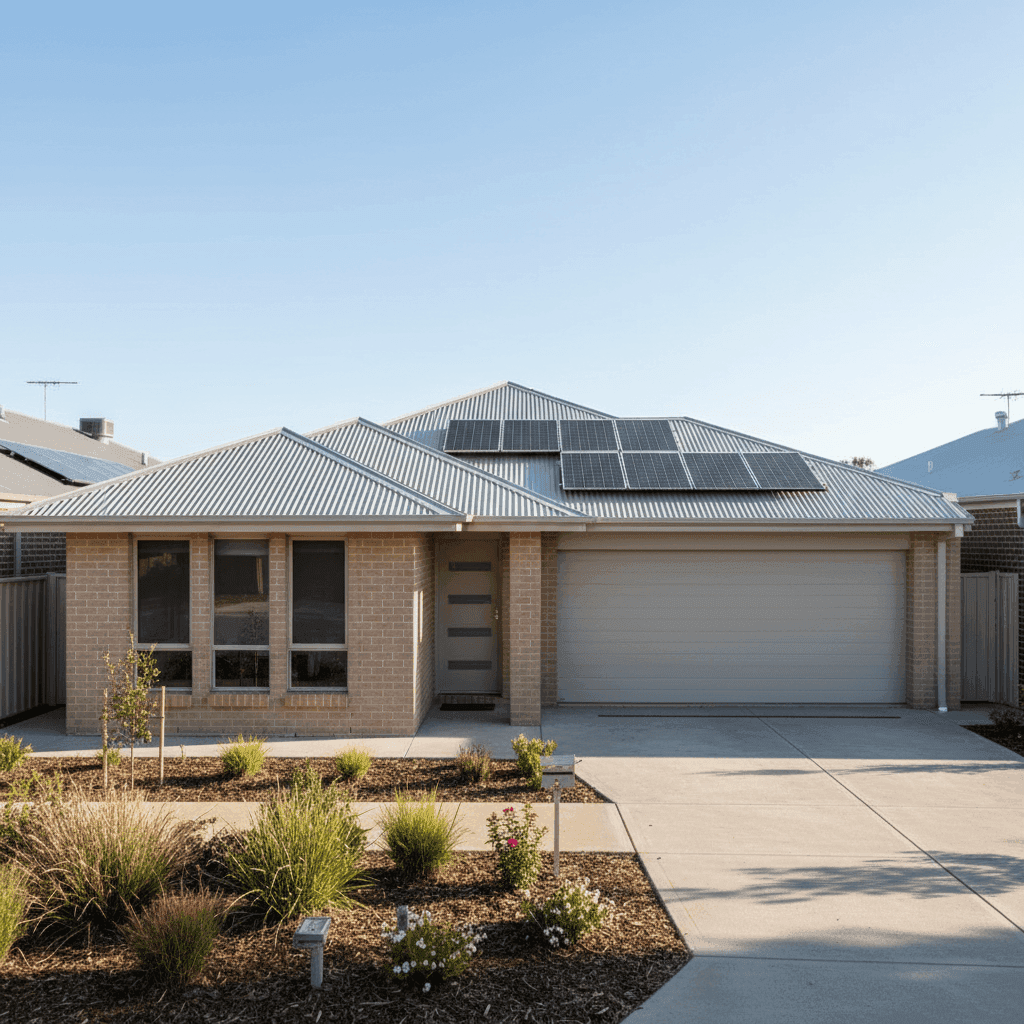
If you own a free standing home in Millbridge, WA 6232, you've probably wondered whether you're paying a fair price for home and contents insurance — or whether you could be doing better. This article breaks down a real insurance quote for a four-bedroom, double brick home in the suburb, compares it against local, state, and national benchmarks, and offers practical tips to help you get the most value from your cover.
---
Is This Quote Fair?
The quote in question comes in at $1,206 per year (or $124/month) for combined home and contents insurance, covering a building sum insured of $361,000 and contents valued at $30,000. The building excess is $3,000 and the contents excess sits at $1,000.
Our price rating for this quote is FAIR — Around Average.
That might sound underwhelming, but in context it's actually a reasonably solid result. The quote lands comfortably below the Millbridge suburb average of $1,635/yr and just above the 25th percentile of $1,172/yr. In other words, this homeowner is paying less than most of their neighbours while still holding comprehensive home and contents cover. It's not the cheapest quote on the market, but it's far from the most expensive — and for a well-built double brick home with solar panels, that's a reasonable outcome.
---
How Millbridge Compares
To put this quote in proper perspective, it helps to zoom out and look at the broader pricing landscape.
| Benchmark | Premium |
|---|---|
| This quote | $1,206/yr |
| Millbridge suburb average | $1,635/yr |
| Millbridge suburb median | $1,445/yr |
| Millbridge 25th percentile | $1,172/yr |
| Millbridge 75th percentile | $1,933/yr |
| LGA (Dardanup) average | $1,524/yr |
| WA state average | $2,811/yr |
| WA state median | $2,127/yr |
| National average | $5,347/yr |
| National median | $2,764/yr |
(Based on 31 quotes collected for the Millbridge area.)
The numbers tell an interesting story. Millbridge — and the broader Dardanup LGA — sits well below both the Western Australian state average and the national average. Homeowners in this part of WA are benefiting from a relatively low-risk profile: no cyclone zone designation, a stable regional property market, and a predominantly brick-built housing stock that insurers tend to view favourably.
Compared to the WA state average of $2,811/yr, this quote represents a saving of over $1,600 annually. Against the national average of $5,347/yr — heavily skewed by high-risk coastal and cyclone-prone areas — the difference is even more striking. You can explore the full breakdown of Millbridge insurance data here.
---
Property Features That Affect Your Premium
Every home is different, and insurers price risk based on a wide range of property characteristics. Here's how the specific features of this Millbridge home influence what's being charged.
Double Brick Construction
Double brick is one of the most insurer-friendly wall types in Australia. It's highly durable, resistant to fire, and holds up well in storms. Compared to weatherboard or lightweight cladding, double brick homes typically attract lower premiums — and this property is a clear beneficiary of that.
Steel/Colorbond Roof
Colorbond roofing is another tick in the box for insurers. It's lightweight, corrosion-resistant, and performs well in high winds. Unlike terracotta or concrete tiles, Colorbond doesn't crack or dislodge as easily in storm events, which reduces the likelihood of a claim.
Slab Foundation
A concrete slab foundation is considered low-risk by most insurers. It provides a stable base and is less susceptible to movement or pest damage compared to raised timber floors, contributing positively to the overall risk profile.
Solar Panels
This property has solar panels installed, which is worth noting. While solar panels can add to the rebuild cost (and should be factored into your sum insured), they don't typically push premiums up significantly. It's important to confirm with your insurer that the panels are included in your building cover — some policies may treat them as an optional extra.
Ducted Climate Control
Ducted air conditioning systems are a meaningful addition to any home's value. Like solar panels, they should be reflected in your building sum insured to avoid being underinsured in the event of a total loss.
Construction Year (2007)
A home built in 2007 is relatively modern and would have been constructed under updated Australian building codes. This generally means better structural integrity and compliance with contemporary safety standards — both factors that can work in your favour at renewal time.
Timber/Laminate Flooring
Timber and laminate floors can be more susceptible to water damage than tiles, which may be a minor consideration for contents and internal fixtures coverage. Ensuring your policy covers accidental water damage is worth checking.
---
Tips for Homeowners in Millbridge
Whether you're reviewing your current policy or shopping around for the first time, here are four practical steps worth taking.
1. Review Your Sum Insured Annually
Building costs have risen significantly across Australia in recent years. A sum insured of $361,000 for a 214 sqm double brick home may be appropriate today, but it's worth reassessing each year. Use an independent building cost calculator or speak to a local builder to make sure you're not underinsured — especially with solar panels and ducted air conditioning adding to the rebuild value.
2. Confirm Solar Panels Are Covered
Not all home insurance policies automatically include rooftop solar systems under building cover. Check your Product Disclosure Statement (PDS) carefully to confirm your panels are listed as an insured item, and that the sum insured accounts for their replacement cost.
3. Consider Your Excess Levels
This quote carries a $3,000 building excess and a $1,000 contents excess. A higher excess typically reduces your premium, but it also means more out-of-pocket expense when you claim. Think about what you could comfortably afford to pay in the event of a claim, and adjust your excess accordingly.
4. Compare Quotes at Renewal
Even a "fair" quote can be beaten. The insurance market is competitive, and premiums can vary significantly between providers for the same property. Running a comparison at renewal — rather than simply auto-renewing — is one of the easiest ways to save money without changing your level of cover.
---
Ready to Compare?
Whether this quote is your starting point or you're reviewing an existing policy, comparing your options is always a smart move. At CoverClub, we make it easy to see how your premium stacks up and find better value cover for your home. Get a quote today and see what's available for your Millbridge property.