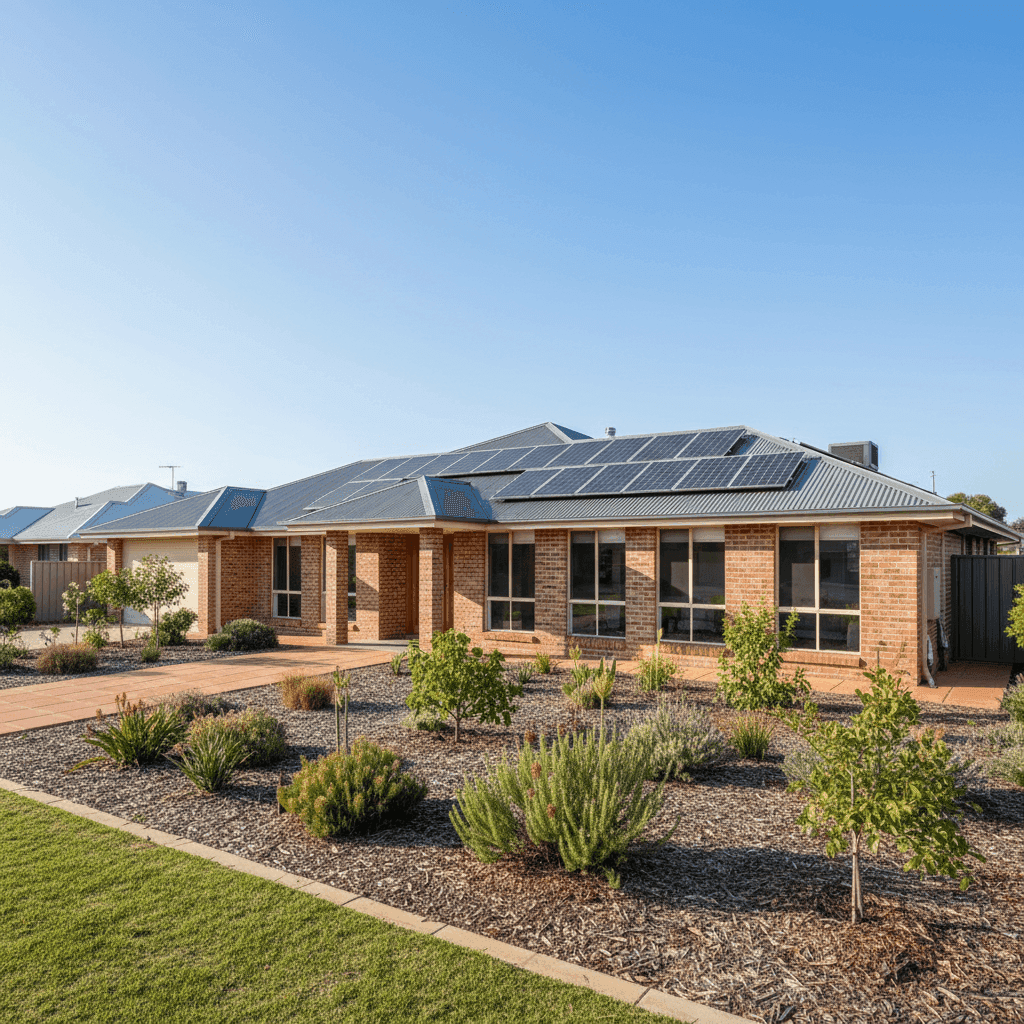
If you own a free standing home in Millicent, SA 5280, you already know that finding the right home and contents insurance can feel like navigating a maze. Millicent is a regional town in the Limestone Coast area of South Australia — a community with a strong sense of character, but one where insurance premiums can vary considerably depending on your property's size, age, and features. This article breaks down a real insurance quote for a five-bedroom, two-bathroom brick veneer home in the area, and puts it in context so you can make a more informed decision.
---
Is This Quote Fair?
The quote in question comes in at $3,158 per year (or $332 per month) for combined home and contents cover, with a building sum insured of $1,005,000 and contents cover of $200,000. The building excess is set at $3,000, while the contents excess sits at $500.
Our price rating for this quote is Expensive — above average for the area.
To understand why, it helps to look at the numbers in context. Based on data from 54 quotes collected for Millicent (SA 5280), the suburb average premium is $1,810 per year, with a median of $1,701. This quote sits roughly 75% above the suburb average — a significant gap that warrants a closer look.
That said, it's worth noting that this property is on the larger end of the scale. At 277 square metres with five bedrooms and a building sum insured of over $1 million, it's not a typical Millicent home. Larger homes naturally attract higher premiums, and a $1,005,000 building sum insured is considerably above what most properties in the area would carry. Even so, the premium is notably elevated, and homeowners in this situation should strongly consider shopping around.
---
How Millicent Compares
Understanding where Millicent sits relative to broader benchmarks gives valuable perspective:
| Benchmark | Average Premium | Median Premium |
|---|---|---|
| Millicent (SA 5280) | $1,810/yr | $1,701/yr |
| LGA (Grant) | $1,723/yr | — |
| South Australia | $2,433/yr | $1,679/yr |
| National | $5,347/yr | $2,764/yr |
A few things stand out here. First, Millicent is actually below the South Australian state average of $2,433 per year — good news for most local homeowners. Compared to national figures, where the average premium hits $5,347 and the median sits at $2,764, Millicent looks relatively affordable for the typical property.
The SA state-wide picture shows a meaningful gap between the average ($2,433) and the median ($1,679), which suggests a skewed distribution — a smaller number of high-value or high-risk properties are pulling the average up. Millicent follows a similar pattern, with the average ($1,810) sitting above the median ($1,701).
For this particular quote, the $3,158 annual premium exceeds both the suburb's 75th percentile ($2,081) and the state average, placing it firmly in the upper tier. While the property's size and high sum insured are contributing factors, this is still a signal that alternative quotes should be explored.
---
Property Features That Affect Your Premium
Several characteristics of this property influence what insurers charge — some in your favour, others less so.
Brick veneer construction is generally viewed positively by insurers. It offers solid structural integrity and reasonable fire resistance, which can help keep premiums in check compared to timber-framed or clad homes.
Steel/Colorbond roofing is another feature that tends to attract favourable treatment from underwriters. Colorbond is durable, low-maintenance, and performs well in extreme weather conditions — all factors that reduce the likelihood of a claim.
Slab foundation is standard for homes of this era and construction type, and doesn't typically raise any red flags for insurers in South Australia.
Solar panels are worth noting. While they're a great investment for energy savings, they do add to the replacement cost of a home, and some insurers factor this into their pricing. It's worth confirming that your policy explicitly covers solar panels as part of the building sum insured.
Five bedrooms and 277 sqm of floor space place this property well above the regional average in terms of size. Larger homes cost more to rebuild, which directly drives up the building sum insured — and consequently, the premium. The $1,005,000 building cover here reflects that scale.
Tile flooring throughout is generally a neutral factor for insurers, though it does contribute to the overall rebuild cost calculation.
Notably, this property has no pool and no ducted climate control, which removes two common sources of additional premium loading. It's also located outside a designated cyclone risk area, which is a meaningful advantage — cyclone-prone regions in northern Australia can see dramatically higher premiums.
---
Tips for Homeowners in Millicent
1. Review your building sum insured carefully A sum insured of $1,005,000 is significant. Make sure this figure is based on an accurate rebuild cost estimate — not the market value of your home. Overinsuring can mean you're paying more than necessary, while underinsuring leaves you exposed. Consider using a professional quantity surveyor or an online rebuild cost calculator to validate the figure.
2. Shop around and compare multiple quotes With this quote sitting above the suburb's 75th percentile, there's a real opportunity to find better value. Different insurers price risk very differently, and the gap between the cheapest and most expensive quotes for the same property can be substantial. Use a comparison platform like CoverClub to see what else is available.
3. Check your solar panel coverage Solar panels are a meaningful asset, and not all policies cover them as standard. Confirm whether your panels are included under the building section of your policy, and whether the coverage extends to inverters and mounting hardware. If they're not explicitly covered, ask your insurer to add them.
4. Consider your excess settings This quote carries a $3,000 building excess. Opting for a higher excess is one way to reduce your annual premium, but make sure you're comfortable covering that amount out of pocket in the event of a claim. Conversely, if cash flow is a concern, a lower excess with a slightly higher premium might offer more peace of mind.
---
Ready to Find a Better Deal?
If this quote feels steep, you're not alone — and you don't have to accept the first price you're offered. CoverClub makes it easy to compare home and contents insurance quotes for properties across South Australia, including Millicent and the surrounding region. Whether you're renewing your policy or insuring a home for the first time, comparing your options takes only a few minutes and could save you hundreds of dollars a year. Get started with a free quote today.