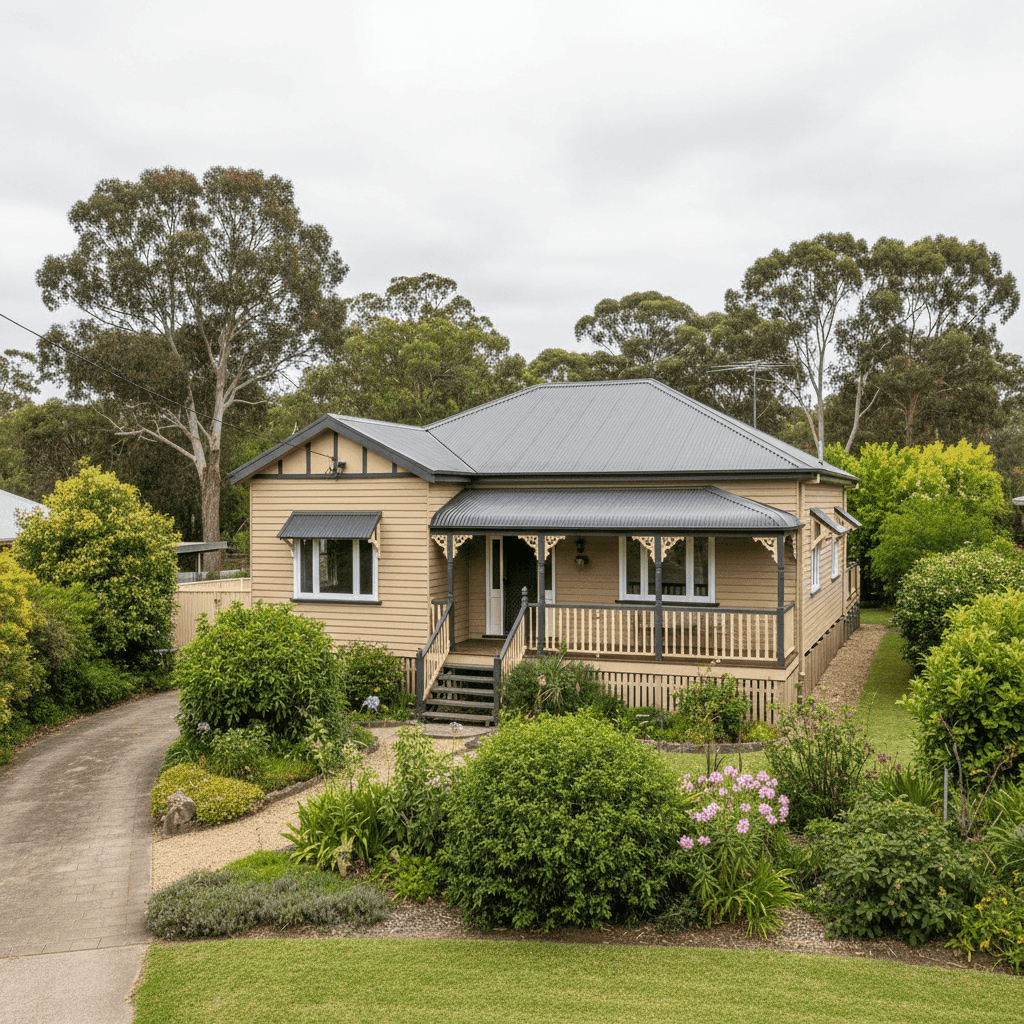
If you own a free standing home in Mirboo, VIC 3871, you may be wondering whether you're paying a fair price for home and contents insurance — or whether there's room to do better. This article breaks down a real insurance quote for a 3-bedroom, 1-bathroom home in Mirboo, compares it against Victorian and national benchmarks, and offers practical tips to help local homeowners make the most of their cover.
---
Is This Quote Fair?
The annual premium for this quote comes in at $2,168 per year (or $217/month), covering both building and contents. Based on our pricing analysis, this quote is rated CHEAP — sitting below the average for both the state and the nation.
That's genuinely good news for the homeowner. A below-average premium doesn't necessarily mean below-average cover — it simply means the combination of property characteristics, location risk factors, and insurer pricing has landed in a favourable spot. For a home insured at a building sum of $571,000 with $20,000 in contents cover, this represents solid value.
The building excess is set at $3,000 and the contents excess at $1,000. These are on the higher end, which is a common trade-off when securing a lower annual premium. If you're comfortable absorbing a larger out-of-pocket cost in the event of a claim, this structure can work well — but it's worth keeping those figures in mind when budgeting.
---
How Mirboo Compares
Putting this quote into context with broader pricing data tells an interesting story:
| Benchmark | Annual Premium |
|---|---|
| This Quote | $2,168 |
| Baw Baw LGA Average | $2,647 |
| VIC State Average | $2,921 |
| VIC State Median | $2,694 |
| National Average | $2,965 |
| National Median | $2,716 |
This quote sits $479 below the Baw Baw LGA average, $753 below the Victorian state average, and nearly $800 below the national average. That's a meaningful saving — especially in the current environment where home insurance premiums across Australia have been climbing steadily.
You can explore how Mirboo premiums compare in more detail on the Mirboo suburb stats page, or take a broader look at Victoria-wide home insurance data and national insurance statistics.
It's worth noting that no suburb-level comparison data was available for Mirboo specifically, so the LGA (Baw Baw) average provides the most localised benchmark. Even against that figure, this quote performs well.
---
Property Features That Affect Your Premium
Several characteristics of this property are worth understanding, as they each play a role in how insurers calculate risk and set premiums.
Weatherboard Timber Walls
Weatherboard wood is one of the most common external wall materials found in older Victorian homes, and this property — built in 1930 — is a classic example. Timber weatherboard homes can be more susceptible to fire, rot, and pest damage compared to brick or rendered construction, which can push premiums higher. However, well-maintained weatherboard homes in low-risk areas can still attract competitive quotes, as appears to be the case here.
Steel / Colorbond Roof
A Colorbond steel roof is generally viewed favourably by insurers. It's durable, low-maintenance, resistant to fire and pests, and performs well in high-wind conditions. This is likely contributing positively to the premium outcome.
Stump Foundation & Elevated Design
The home sits on stumps and is elevated by less than 1 metre. Stump foundations are very common in older Victorian and regional homes and allow for airflow beneath the structure. While elevated homes can sometimes face higher premiums due to greater exposure to wind, being elevated by less than a metre keeps this risk relatively contained. The underfloor space also needs to be considered when assessing flood or storm water risk.
Age of Construction (1930)
A home built in 1930 is nearly 95 years old. Older homes often attract closer scrutiny from insurers due to the age of electrical wiring, plumbing, and structural elements. That said, the $571,000 building sum insured reflects the cost to rebuild — not the market value — and is an important figure to keep accurate and up to date.
Standard Fittings & 130 sqm Footprint
With standard fittings and a modest 130 square metre floor area, this home doesn't carry the premium loading that comes with high-end finishes or large luxury properties. The carpet flooring is standard and doesn't significantly influence pricing either way.
No Pool, Solar, or Ducted Climate Control
The absence of a pool, solar panels, and ducted air conditioning simplifies the risk profile and removes several common sources of additional premium loading. These are all factors that can add cost when present.
---
Tips for Homeowners in Mirboo
Whether you're renewing an existing policy or shopping around for the first time, here are four practical steps worth considering:
- Review your building sum insured annually. Construction costs have risen significantly across regional Victoria in recent years. A sum insured that was accurate three years ago may now fall short of what it would actually cost to rebuild your home. Use a building cost calculator or speak with a local builder to sense-check your figure.
- Maintain your weatherboard exterior. Insurers expect homes to be well-maintained, and weatherboard in particular requires regular painting and treatment to prevent rot and pest ingress. Neglected maintenance can complicate claims and, in some cases, affect your eligibility for cover.
- Consider your excess carefully. This quote carries a $3,000 building excess. If you're unlikely to make small claims anyway, a higher excess in exchange for a lower premium is a sensible strategy. But make sure you have that amount readily accessible should you ever need it.
- Compare quotes at renewal time. Even if your current premium looks competitive — as this one does — the insurance market shifts constantly. Running a comparison every 12 months takes only a few minutes and ensures you're not paying more than necessary for equivalent cover.
---
Ready to Compare Home Insurance in Mirboo?
Whether this quote is your current policy or you're exploring your options, CoverClub makes it easy to see how different insurers price your specific property. Get a home insurance quote today and find out if you could be paying less — or getting more for what you already spend.