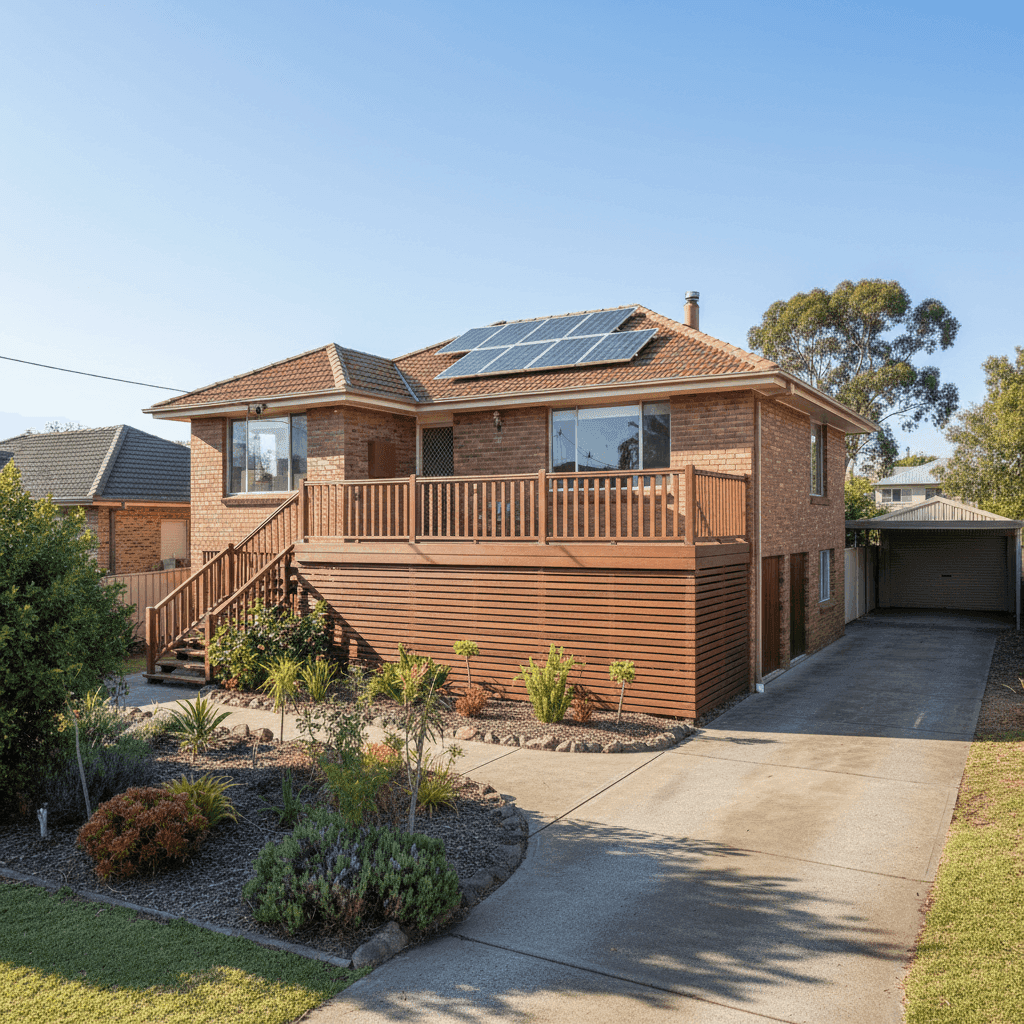
If you own a free standing home in Moe, VIC 3825, understanding what you should be paying for home and contents insurance is one of the smartest financial checks you can make. Moe is a well-established town in Gippsland, and like much of regional Victoria, its insurance landscape is shaped by a unique mix of property age, environmental risk, and local building stock. This article breaks down a real quote for a three-bedroom, brick veneer home in the area — and puts that number into sharp context against what others in the suburb, state, and across Australia are paying.
---
Is This Quote Fair?
The short answer: yes — and then some. The annual premium of $1,178 per year (or around $109 per month) for combined home and contents cover carries a price rating of CHEAP, meaning it sits well below the average for the area. Based on a sample of 48 quotes collected in the Moe postcode, the suburb average premium is $3,181 per year, and the median sits at $2,854 per year. Even the cheapest quarter of quotes in the area — the 25th percentile — comes in at $1,838 per year.
This quote, at $1,178, falls below the 25th percentile, meaning it's cheaper than at least 75% of comparable quotes in Moe. That's a genuinely strong result, particularly for a policy that covers $310,000 in building sum insured and $90,000 in contents.
It's worth noting the building excess is set at $5,000, which is on the higher side and is likely a key reason the premium is this competitive. A higher excess reduces the insurer's risk exposure on smaller claims, which translates directly into a lower premium. The contents excess of $500 is more standard. Homeowners comfortable with self-insuring smaller building repairs may find this trade-off well worthwhile.
---
How Moe Compares
Zooming out from the suburb level, the picture becomes even clearer. Here's how the $1,178 quote measures up across different benchmarks:
| Benchmark | Average Premium | Median Premium |
|---|---|---|
| Moe (3825) | $3,181/yr | $2,854/yr |
| Wellington LGA | $2,836/yr | — |
| Victoria (VIC) | $2,921/yr | $2,694/yr |
| National | $2,965/yr | $2,716/yr |
Across every comparison point, this quote performs exceptionally well. It sits 63% below the Moe suburb average, 60% below the Victorian state average, and 60% below the national average. Even against the Wellington LGA average of $2,836, the saving is substantial.
You can explore more local data on the Moe insurance statistics page, dig into Victoria-wide home insurance benchmarks, or compare against national home insurance averages to see how your own property stacks up.
---
Property Features That Affect Your Premium
Every property tells its own story when it comes to insurance risk. Here's how the specific features of this Moe home likely influence the quote:
🧱 Brick Veneer Walls
Brick veneer is generally viewed favourably by insurers. It offers good fire resistance and structural durability, which can work in your favour at premium time. Compared to weatherboard or fibre cement homes — which are common in older Gippsland stock — brick veneer tends to attract more competitive rates.
🏠 Tiled Roof
Terracotta or concrete tiles are considered a durable roofing material and are standard across much of suburban Australia. A tiled roof signals lower risk of weather-related damage compared to older corrugated iron or ageing colorbond, and insurers typically price this accordingly.
🏗️ Stump Foundation & Elevated Design
This home sits on stumps and is elevated by at least one metre — a feature common in older Victorian homes built in the 1960s. Elevation can be a double-edged sword for insurance: it may reduce flood risk for surface water, but it also introduces structural considerations and can increase rebuilding complexity. In this case, the elevated design doesn't appear to have significantly pushed the premium upward.
📅 Built in 1963
A construction year of 1963 means the property is over 60 years old. Older homes can carry higher risk profiles due to ageing wiring, plumbing, and materials — but solid brick veneer construction from this era is often well-regarded. Keeping up with maintenance is key to avoiding claim disputes.
☀️ Solar Panels
With solar panels installed, this home benefits from a feature that some insurers factor into their assessments. Solar panels are generally covered under building insurance, but it's worth confirming they're explicitly included in your policy and that the sum insured accounts for their replacement value.
🪵 Timber/Laminate Flooring
Timber and laminate floors are a contents and building consideration — particularly in an elevated stump home where subfloor ventilation and moisture can affect longevity. Insurers may factor flooring type into both building and contents valuations.
---
Tips for Homeowners in Moe
Whether you're reviewing an existing policy or shopping for the first time, here are some practical steps for getting the most out of your home insurance in Moe:
- Review your sum insured annually. Building costs in regional Victoria have risen considerably in recent years. A sum insured of $310,000 for a 139 sqm home may be appropriate today, but it's worth checking against current construction cost estimates each year to avoid being underinsured.
- Understand your excess trade-off. A $5,000 building excess is high. Before locking in, consider whether you have the savings to cover that out-of-pocket in the event of a claim. If not, it may be worth comparing quotes with a lower excess — even if the premium is slightly higher.
- Confirm solar panel coverage. Solar panels are a meaningful asset. Check that your policy explicitly covers them under the building section and that their replacement value is reflected in your sum insured. Some policies have sublimits or exclusions worth knowing about.
- Maintain the subfloor and stumps. Elevated homes on timber stumps require periodic inspection. Rotting or subsiding stumps can lead to structural claims that may be denied if the damage is deemed a result of gradual deterioration rather than a sudden event. Regular maintenance protects both your home and your claim eligibility.
---
Compare Your Own Quote
Seeing how one quote stacks up is useful — but the real value comes from knowing your options. Home insurance premiums in Moe vary enormously, as the data above shows, and the right policy for your property depends on far more than just price.
Get a home insurance quote at CoverClub and see how your premium compares against suburb, state, and national benchmarks — in minutes, with no obligation.