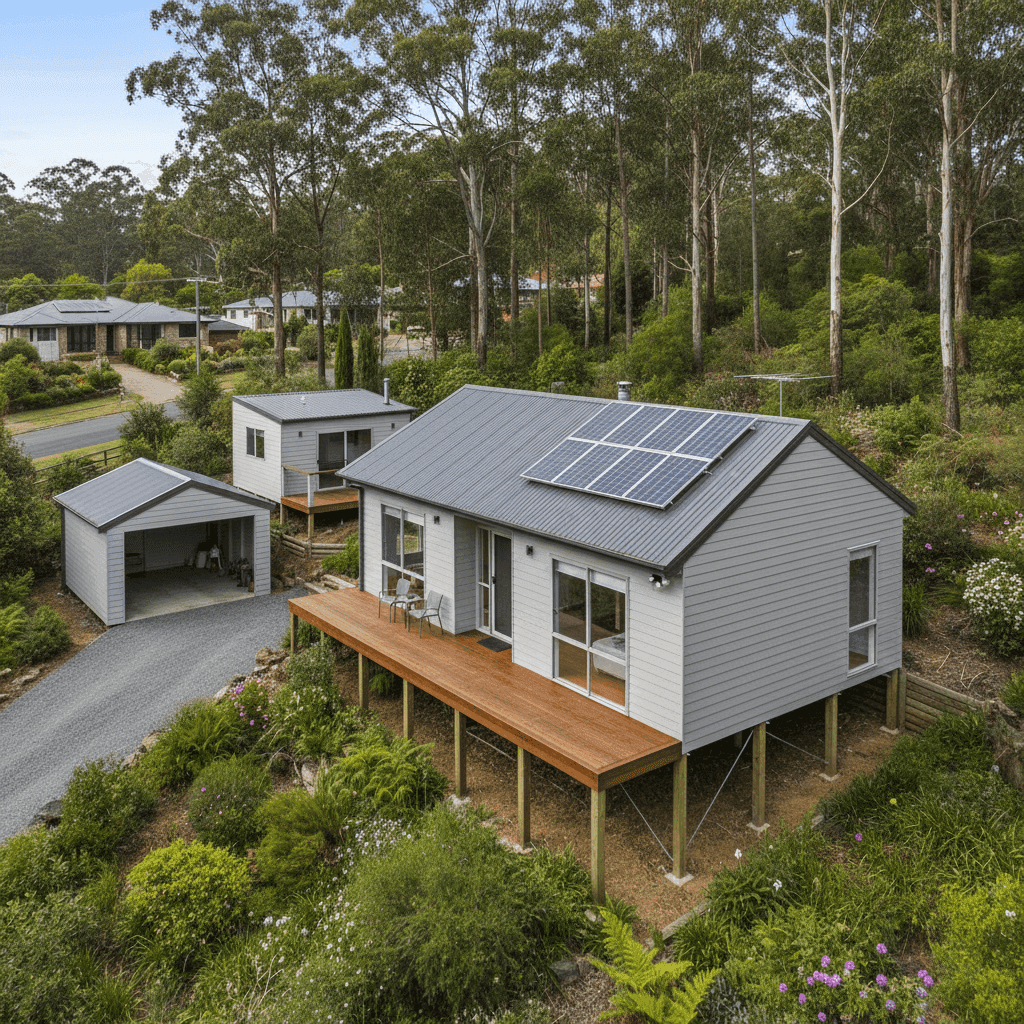
Nestled in the Dandenong Ranges east of Melbourne, Monbulk is a leafy semi-rural suburb known for its tall timber, cool-climate gardens, and tight-knit community. It's also an area where home insurance premiums can vary enormously — making it all the more important to understand exactly what you're paying for and whether your quote is competitive. This article breaks down a real home and contents insurance quote for a three-bedroom free-standing home in Monbulk (postcode 3793), and puts the numbers in context against local, state, and national benchmarks.
---
Is This Quote Fair?
The short answer: yes — and then some. This quote came in at $1,626 per year (or roughly $159 per month) for combined home and contents cover, with a building sum insured of $650,000 and contents valued at $50,000. Our price rating system classifies this as CHEAP — Below Average, meaning it sits well beneath what most comparable properties in the area are paying.
To put that in perspective, the suburb average for Monbulk home insurance sits at $4,813 per year, and the median is even higher at $5,809 per year. That means this quote is roughly 70% cheaper than the local average — a remarkable result for a property in a region that insurers typically view as elevated risk.
Even measured against broader benchmarks, the figure is impressive. The Victorian state average for home insurance is $2,921 per year, and the national average sits at $2,965 per year. This quote beats both by a significant margin, coming in at roughly 44% below the state figure and 45% below the national one.
For homeowners in Monbulk who may have resigned themselves to paying a premium for their bush-adjacent lifestyle, this result is a reminder that shopping around — and understanding what drives your quote — can make a very real difference.
---
How Monbulk Compares
Monbulk's insurance data tells an interesting story. Based on 38 quotes collected for the suburb, premiums range widely:
| Benchmark | Annual Premium |
|---|---|
| Monbulk 25th percentile | $3,344 |
| This quote | $1,626 |
| Monbulk suburb average | $4,813 |
| Monbulk suburb median | $5,809 |
| Monbulk 75th percentile | $6,641 |
| Yarra Ranges LGA average | $4,615 |
| VIC state average | $2,921 |
| National average | $2,965 |
What's striking here is that this quote falls below even the 25th percentile for the suburb — meaning it's cheaper than at least 75% of other quotes collected in Monbulk. The Yarra Ranges LGA average of $4,615 further underscores how elevated local premiums tend to be, driven in large part by the area's bushfire exposure and the costs associated with rebuilding in a semi-rural, hilly environment.
The gap between Monbulk's averages and both state and national figures is substantial. Insurers price risk based on location, and the Dandenong Ranges carries genuine hazards — bushfire, storm damage, and access challenges that can inflate repair costs. That this quote bucks the trend so dramatically is worth examining through the lens of the property's specific features.
---
Property Features That Affect Your Premium
Several characteristics of this property likely contribute to its favourable premium, while others are worth keeping an eye on.
Construction materials — a mixed picture The home's external walls are Hardiplank/Hardiflex, a fibre cement cladding that is non-combustible and performs well in bushfire-prone environments. Combined with a steel/Colorbond roof — also non-combustible and highly durable — this property has a construction profile that many insurers reward with lower premiums. In a suburb like Monbulk, where the threat of ember attack is real, these materials can make a meaningful difference to how an underwriter assesses risk.
Stump foundation and timber flooring The home sits on stumps, which is common for properties built in the 1960s across hilly, reactive-soil areas like the Dandenong Ranges. While stump foundations can be more vulnerable to subsidence or pest damage over time, they also allow for good sub-floor ventilation. The timber and laminate flooring is consistent with the era and style of the home. These features are unlikely to significantly inflate premiums but are worth monitoring for maintenance purposes.
Age of construction Built in 1965, this is a 60-year-old home. Older properties can attract higher premiums due to ageing plumbing, electrical systems, and roofing — but the Colorbond roof and fibre cement cladding suggest the property has been updated in key areas, which likely softens that risk in the insurer's eyes.
Solar panels The presence of solar panels adds a modest layer of complexity to an insurance policy. Panels need to be covered for storm or hail damage, and some policies include them automatically under building cover while others treat them as an optional extra. It's worth confirming your policy explicitly covers the panels and their installation hardware.
Granny flat This property includes a granny flat, which adds to the overall rebuild cost and complexity. The $650,000 building sum insured needs to account for both the main dwelling and the secondary structure — so it's essential to ensure the figure reflects the true cost of rebuilding both, not just the primary home.
Contents cover The $50,000 contents value is relatively modest for a three-bedroom, two-bathroom home. If the granny flat is furnished or used as a rental, contents in that space may also need to be factored in.
---
Tips for Homeowners in Monbulk
1. Verify your sum insured covers both structures With a granny flat on the property, your building sum insured must account for the full cost of rebuilding everything — not just the main house. Use an independent building cost calculator or speak with a quantity surveyor to confirm your $650,000 figure is adequate. Underinsurance is one of the most common — and costly — mistakes homeowners make.
2. Maintain your bushfire defences Monbulk sits in a bushfire-prone zone. Keeping gutters clear, maintaining a defendable space around the home, and ensuring ember guards are in place can reduce your risk profile and, in some cases, support a lower premium at renewal. Some insurers actively reward documented mitigation efforts.
3. Confirm solar panel coverage Check your policy documents to see exactly how your solar panels are covered. Look for whether storm, hail, and accidental damage are included, and whether the inverter (often located inside the home) is covered under building or contents. If in doubt, call your insurer directly.
4. Shop around at every renewal This quote demonstrates that significant savings are possible — even in a high-risk suburb. Premiums can shift considerably year on year, and loyalty doesn't always pay. Set a reminder to compare quotes before your renewal date each year rather than simply auto-renewing.
---
Ready to See What You Could Pay?
Whether you're a Monbulk local or elsewhere in Victoria, the best way to know if you're getting a fair deal is to compare. CoverClub makes it easy to benchmark your current premium against real quotes from across Australia. Get a home insurance quote today and find out if you're paying more than you need to.