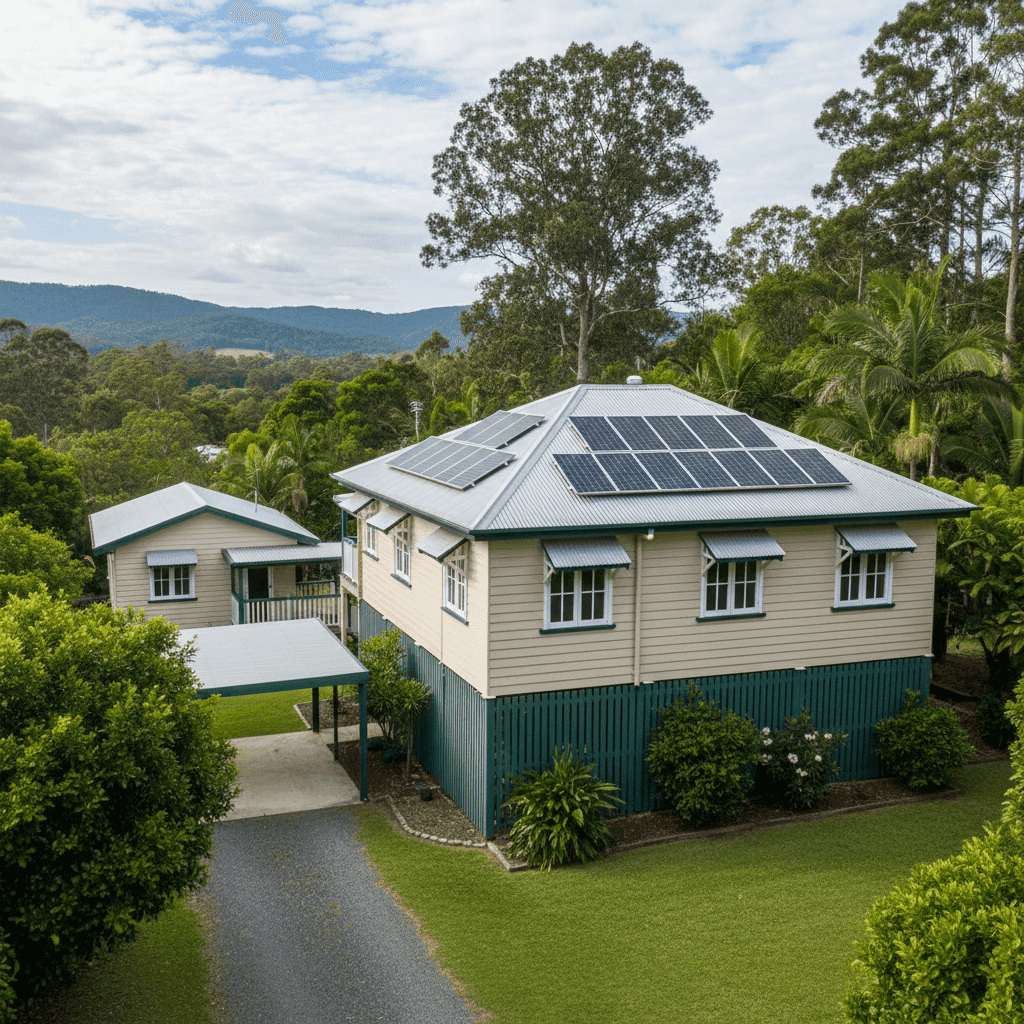
If you own a free standing home in Mons, QLD 4556, nestled in the lush hinterland of the Sunshine Coast, you already know this is a unique and beautiful part of Queensland. But unique properties in sought-after regions can come with equally unique insurance considerations. This article breaks down a real building insurance quote for a weatherboard home in Mons, compares it against state and national benchmarks, and offers practical advice for local homeowners looking to get the best value on their cover.
---
Is This Quote Fair?
The quote in question comes in at $3,309 per year (or $325 per month) for building-only cover on a 235 sqm free standing home insured for $493,000, with a $2,000 building excess. Our price rating for this quote is CHEAP — below average — which is genuinely good news for the homeowner.
To put that in context: Queensland home insurance premiums have become notorious for being among the highest in the country, driven by extreme weather events, flooding, and cyclone exposure across much of the state. Against that backdrop, landing a premium well below the state median is a meaningful win.
This quote sits comfortably below the QLD state median of $3,903/yr and is less than half the QLD state average of $9,129/yr — a figure heavily skewed upward by high-risk coastal and far-north Queensland properties. It also compares favourably to the national average of $5,347/yr, though it does sit slightly above the national median of $2,764/yr.
All things considered, this quote reflects solid value for a property with several characteristics that could easily push premiums higher elsewhere.
---
How Mons Compares
Understanding where your premium sits relative to broader benchmarks helps you gauge whether your insurer is pricing your risk fairly. Here's how this quote stacks up:
| Benchmark | Premium |
|---|---|
| This Quote | $3,309/yr |
| National Median | $2,764/yr |
| National Average | $5,347/yr |
| QLD State Median | $3,903/yr |
| QLD State Average | $9,129/yr |
| Sunshine Coast LGA Average | $7,249/yr |
The Sunshine Coast LGA average of $7,249/yr is particularly striking. This figure captures a wide range of properties across the region — from low-lying coastal suburbs with flood and storm surge exposure, to elevated hinterland locations like Mons. The fact that this quote comes in at less than half the LGA average strongly suggests that the property's specific characteristics are working in the homeowner's favour.
Unfortunately, suburb-level data for Mons is not yet available on CoverClub's Mons stats page, but as more quotes are collected for the area, that picture will sharpen. In the meantime, the state and LGA comparisons provide a useful frame of reference.
For broader Queensland insurance trends and suburb-by-suburb breakdowns, visit the CoverClub QLD stats hub.
---
Property Features That Affect Your Premium
Several characteristics of this particular property have a meaningful influence on how insurers price the risk. Here's what stands out:
Elevated Pole Foundation
This home is elevated by at least one metre on a pole foundation — a classic Queenslander construction style. Elevation is a significant risk-mitigating factor, particularly for flood and storm water inundation. Insurers generally view elevated homes more favourably, and this feature is likely contributing to the competitive premium on this quote.
Weatherboard Timber Walls
Weatherboard timber construction is common in older Queensland homes and can be a double-edged sword for insurance. Timber is more susceptible to fire, rot, and termite damage than brick or concrete, which can attract higher premiums with some insurers. However, it is also a well-understood construction type, and many insurers price it reasonably — particularly when the home is well-maintained.
Steel/Colorbond Roof
A Colorbond steel roof is generally viewed positively by insurers. It's durable, lightweight, and highly resistant to fire and wind damage compared to older roofing materials like terracotta tiles or fibrous cement sheeting. This is another feature that likely supports the below-average premium.
Solar Panels
The property has solar panels installed. While solar panels add value to a home, they can also add a small amount of complexity to building insurance — particularly around storm or hail damage. It's worth confirming with your insurer that your solar system is explicitly covered under your building policy and understanding any sub-limits that may apply.
Granny Flat
The presence of a granny flat means there is additional structure on the property. Homeowners should verify that their sum insured of $493,000 adequately covers both the main dwelling and the granny flat. Underinsurance is a common and costly mistake — if the rebuild cost of both structures exceeds your sum insured, you may face a shortfall at claim time.
No Pool, No Cyclone Zone
The absence of a swimming pool removes a common liability and maintenance risk factor. Equally important, Mons falls outside designated cyclone risk areas, which significantly reduces the premium loading that applies to properties in northern Queensland. This is one of the most consequential factors keeping this quote competitive.
1995 Construction
A home built in 1995 is relatively modern by Queensland standards and would have been constructed under building codes that incorporated improved cyclone and storm resistance standards introduced in the late 1980s and early 1990s. This vintage sits in a sweet spot — not so old as to attract concerns about outdated materials or wiring, and built to a reasonable standard.
---
Tips for Homeowners in Mons
1. Review Your Sum Insured Carefully
With a granny flat on the property, it's essential to ensure your $493,000 sum insured reflects the full rebuild cost of both structures — not just the main home. Factor in demolition costs, site clearance, and the current cost of materials and labour, which have risen significantly in recent years. Consider using a building cost calculator or speaking with a quantity surveyor if you're unsure.
2. Confirm Solar Panel Coverage
Ask your insurer directly: are your solar panels covered under the building policy, and is there a sub-limit? Some policies cover panels only up to a certain amount, or may exclude specific types of damage. Getting clarity now avoids nasty surprises at claim time.
3. Maintain Your Weatherboard Exterior
Timber weatherboard homes require regular upkeep — painting, sealing, and checking for signs of rot or termite activity. Insurers can decline or reduce claims if damage is found to result from poor maintenance rather than an insured event. A well-maintained exterior also helps at renewal time.
4. Compare Quotes Regularly
Even if your current premium is below average, the insurance market shifts constantly. Insurers reprice risk annually, and loyalty doesn't always pay. It takes only a few minutes to run a comparison, and the savings can be substantial — particularly in a market as dynamic as Queensland's.
---
Ready to Compare?
Whether you're reviewing your current policy or shopping for cover for the first time, CoverClub makes it easy to see how your quote stacks up. Get a home insurance quote today and find out if you're paying a fair price — or if there's a better deal waiting for you.