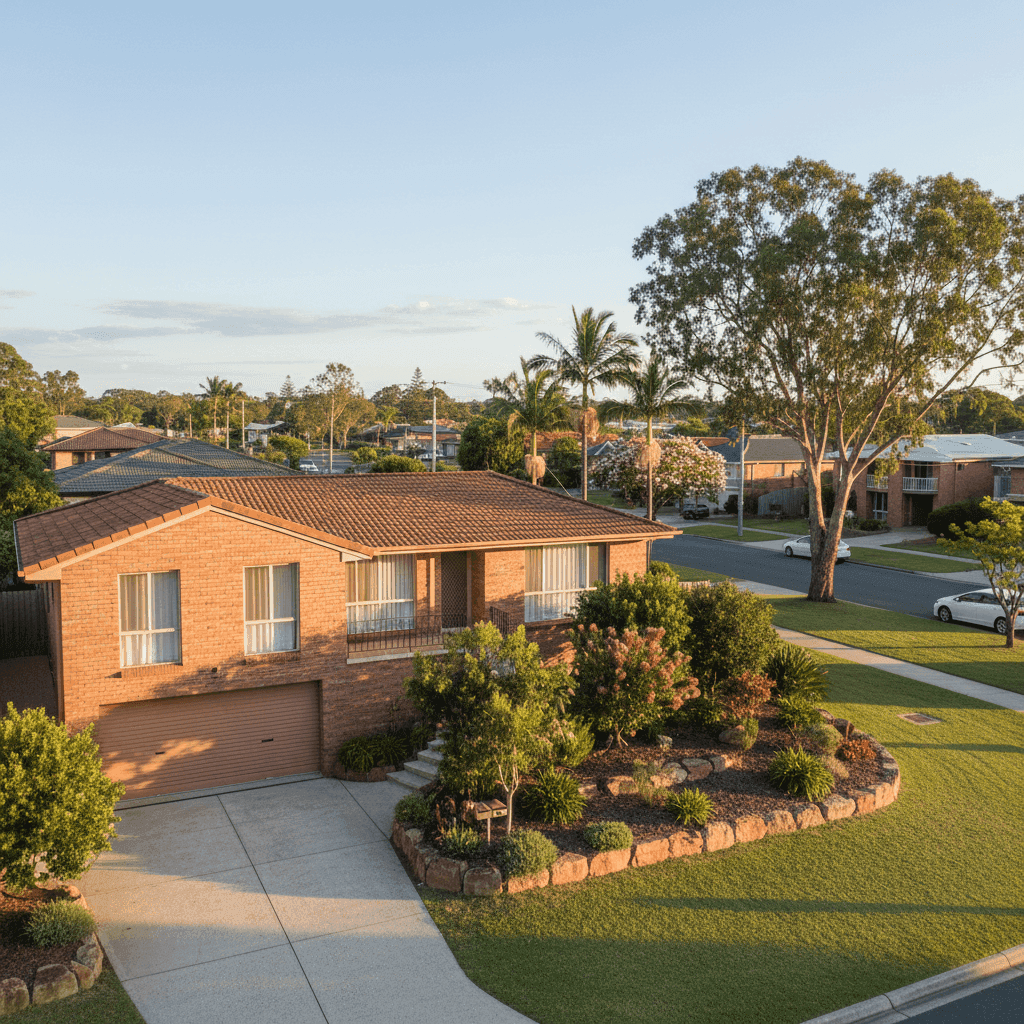
Mooloolaba is one of the Sunshine Coast's most sought-after addresses — a coastal suburb that blends beachside lifestyle with suburban convenience. It's also a location where home insurance premiums can vary enormously depending on your property's age, construction, and proximity to coastal and weather-related risks. This article breaks down a real home and contents insurance quote for a three-bedroom, free-standing home in Mooloolaba (QLD 4557), and puts the numbers in context so you can judge whether your own policy is competitive.
---
Is This Quote Fair?
The annual premium on this quote comes in at $1,905 per year (or $193/month), covering a building sum insured of $600,000 and contents valued at $60,000. The building excess is $3,000 and the contents excess is $1,000.
Our pricing engine rates this quote as CHEAP — below average for the area. That's a meaningful result. When you consider that the suburb average premium in Mooloolaba sits at $6,733 per year, this quote represents a saving of more than $4,800 annually compared to what many local homeowners are paying. Even against the suburb's 25th percentile — the cheapest quarter of quotes — at $4,160/year, this policy still comes in well under the mark.
So what's driving the competitive price? A combination of property features, insurer appetite, and the specific risk profile of this home all play a role. We'll unpack those below.
---
How Mooloolaba Compares
To put this quote in proper perspective, it helps to look at the broader pricing landscape. Here's how Mooloolaba stacks up against state and national benchmarks:
| Benchmark | Average Premium | Median Premium |
|---|---|---|
| Mooloolaba (QLD 4557) | $6,733/yr | $4,929/yr |
| Queensland | $9,129/yr | $3,903/yr |
| National | $5,347/yr | $2,764/yr |
| Sunshine Coast LGA | $7,249/yr | — |
A few things stand out here. Queensland's average premium of $9,129 is significantly higher than the national average of $5,347 — a reflection of the state's elevated exposure to cyclones, flooding, and severe storm events. However, Queensland's median of $3,903 is actually lower than the national median of $2,764... wait, that's reversed — the national median of $2,764 is lower, which tells us that QLD has a wide spread of premiums, with high-risk properties pulling the average up sharply.
Mooloolaba's suburb average of $6,733 sits above the national average but below the Queensland state average, which makes sense for a coastal Sunshine Coast suburb. The Sunshine Coast LGA average of $7,249 is even higher, suggesting that some pockets of the region carry heavier risk loadings than Mooloolaba itself.
You can explore the full dataset for this suburb at the Mooloolaba insurance stats page, compare it against all of Queensland, or view national home insurance benchmarks.
---
Property Features That Affect Your Premium
Insurers don't price every home the same way — they assess dozens of property characteristics to estimate risk. Here's how the key features of this particular home likely influenced the quote:
Brick Veneer Walls Brick veneer construction is generally viewed favourably by insurers. It offers solid fire resistance and durability compared to timber or weatherboard, which can translate into lower building premiums. It's a common construction type in Queensland homes built in the 1980s and is well understood by underwriters.
Tiled Roof Terracotta or concrete tiles are considered a resilient roofing material. They perform well in hail events and are less susceptible to storm damage than metal or fibreglass alternatives, which can help keep premiums down.
Slab Foundation A concrete slab foundation is standard for this era of Queensland construction and carries no particular risk loading. It's a stable, well-understood base that doesn't attract the kind of subsidence concerns sometimes associated with older stumped or timber-framed foundations.
Construction Year: 1989 A home built in 1989 sits in an interesting zone for insurers. It's old enough to potentially have ageing plumbing or electrical systems, but it pre-dates some of the more problematic building eras. Homes of this vintage are generally priced without major age penalties, provided they've been maintained.
Tile Flooring Tiled floors are practical in Queensland's climate and tend to be viewed neutrally by insurers — they're durable and easy to replace compared to hardwood or engineered timber.
Above Average Fittings Quality This is worth noting. Above-average fittings — think stone benchtops, quality appliances, and premium fixtures — increase the cost to rebuild or repair, which can push the building sum insured higher. In this case, the $600,000 building sum insured likely reflects this quality level. Underinsurance is a real risk for homes with premium finishes, so it's important the sum insured accurately reflects replacement cost.
No Pool, Solar Panels, or Ducted Climate Control The absence of these features removes several common risk and cost factors. Pools add liability exposure. Solar panels introduce roof penetration and electrical risks. Ducted systems are expensive to replace and can be damaged by storms. Not having any of these keeps the risk profile clean.
Not in a Cyclone Risk Zone Despite being on the Sunshine Coast, this property is not classified as being in a cyclone risk area — a significant factor. Cyclone-rated premiums in northern Queensland can be eye-watering, so properties outside these zones benefit considerably.
---
Tips for Homeowners in Mooloolaba
1. Don't assume your current insurer is competitive The spread of premiums in Mooloolaba is wide — from around $4,160 at the 25th percentile to $6,198 at the 75th percentile, with some quotes going much higher. If you haven't compared in the past 12 months, there's a real chance you're overpaying.
2. Review your sum insured annually Building costs in Queensland have risen sharply in recent years due to labour shortages and material costs. A sum insured that was accurate two years ago may leave you underinsured today. Use a building cost calculator or speak to a quantity surveyor if you're unsure.
3. Consider your excess carefully This quote carries a $3,000 building excess and a $1,000 contents excess. Higher excesses reduce your premium, but make sure you can comfortably cover that amount out of pocket if you need to claim. A lower excess may be worth the modest premium increase for peace of mind.
4. Check for coastal and stormwater flood exclusions Even outside designated cyclone zones, Mooloolaba's coastal location means storm surge and stormwater flooding can be relevant risks. Read your Product Disclosure Statement carefully to understand what's covered — and what isn't — particularly around water damage definitions.
---
Compare Your Own Quote
Whether you're buying, renewing, or simply curious, it pays to know where your premium sits relative to the market. CoverClub makes it easy to compare home and contents insurance quotes from multiple insurers in minutes. Get a quote today and find out if you're getting a fair deal — or leaving money on the table.