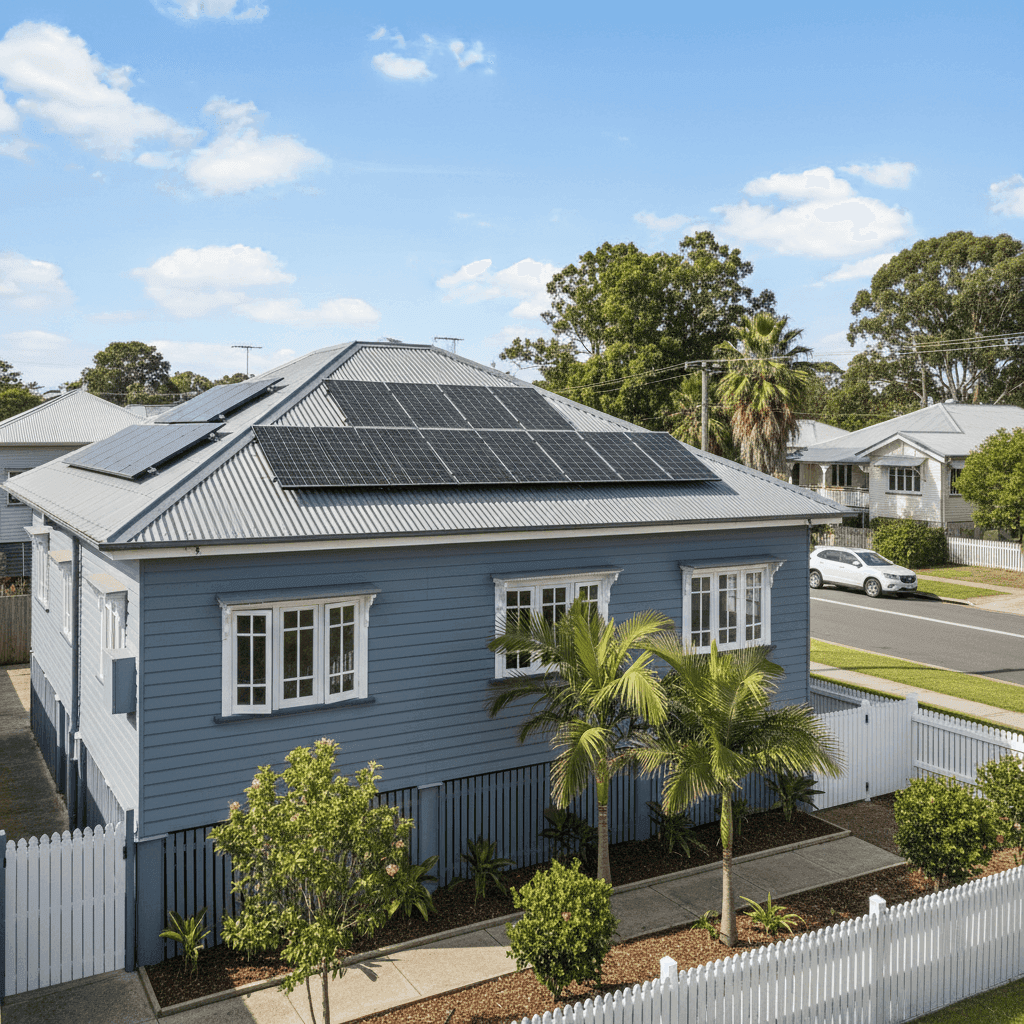
Moorooka is a well-established inner-southern suburb of Brisbane, sitting roughly 8 kilometres from the CBD. Known for its mix of post-war character homes and a growing community of renovators, it's the kind of suburb where a five-bedroom free-standing home on a concrete slab — clad in weatherboard timber with a Colorbond steel roof — is a fairly familiar sight. If you own one of these homes and you're trying to work out whether your insurance premium stacks up, this analysis is for you.
We're looking at a Home and Contents policy for a property of this type, with a building sum insured of $841,000 and contents cover of $93,000, carrying a $500 excess on both building and contents. The quoted annual premium comes in at $3,102 per year (or roughly $298 per month).
---
Is This Quote Fair?
The short answer: this quote sits in the "Expensive" range — above the suburb average and comfortably above the national median. That doesn't necessarily mean it's the wrong policy for you, but it does suggest there's room to shop around.
To put it in context, the suburb average premium in Moorooka is $2,224 per year, and the suburb median sits at just $1,555. This quote at $3,102 is nearly double the local median and around 40% above the suburb average. It also clears the 75th percentile for the suburb ($2,415), meaning it's more expensive than at least three-quarters of comparable quotes in the area.
Against Queensland's state average of $4,547 and a state median of $3,931, this quote actually looks more reasonable — it comes in well below both figures. Queensland is notoriously expensive for home insurance due to the elevated risk of extreme weather events across the state, so the statewide benchmark isn't always the most useful yardstick for a Brisbane metro property.
Compared to the national average of $2,965 and a national median of $2,716, the quote is moderately above average — sitting roughly $137 above the national average and about $386 above the national median.
One important caveat: the LGA (Brisbane City) average of $16,277 is unusually high and likely skewed by a small number of very high-value or high-risk properties in the dataset. It's not a reliable benchmark for a standard residential home in Moorooka.
You can explore the Moorooka suburb insurance stats, Queensland-wide data, and national benchmarks to dig deeper into the numbers.
---
How Moorooka Compares
Here's a quick snapshot of how this quote sits across different benchmarks:
| Benchmark | Premium |
|---|---|
| This Quote | $3,102/yr |
| Moorooka Suburb Average | $2,224/yr |
| Moorooka Suburb Median | $1,555/yr |
| Moorooka 75th Percentile | $2,415/yr |
| QLD State Average | $4,547/yr |
| QLD State Median | $3,931/yr |
| National Average | $2,965/yr |
| National Median | $2,716/yr |
It's worth noting that the suburb sample size here is relatively small (9 quotes), so the local averages should be treated as a guide rather than a definitive market rate. That said, the pattern is consistent: this quote is on the higher end for Moorooka specifically, even if it looks modest against the broader Queensland market.
---
Property Features That Affect Your Premium
Several characteristics of this property are likely influencing the premium — some pushing it higher, others potentially keeping it in check.
Weatherboard Timber Construction
Weatherboard homes are among the most common dwelling types in Brisbane's inner suburbs, but timber walls carry a higher fire risk rating than brick or rendered masonry. Insurers typically price this in, and it's one of the more significant factors for older homes like this one.
Age of Construction (1947)
A home built in 1947 is nearly 80 years old. While many of these homes have been lovingly maintained or partially renovated, older properties can present higher risk of electrical faults, plumbing issues, and structural wear. Insurers may apply age-related loadings, particularly when the original construction materials are still largely intact.
Building Size and Sum Insured
At 277 square metres with a building sum insured of $841,000, the rebuild cost is substantial. A larger insured value naturally translates to a higher premium. It's worth periodically reviewing whether your sum insured accurately reflects current construction costs — both under-insurance and over-insurance carry their own risks.
Colorbond Steel Roof
On the positive side, a Colorbond steel roof is generally well-regarded by insurers. It's durable, low-maintenance, and performs well in storms. This may help moderate the premium compared to older tile or fibrous cement roofing.
Solar Panels
The presence of solar panels adds a small layer of complexity to a home insurance policy. Panels can be damaged by hail or high winds, and their presence on the roof introduces some additional liability considerations. Most policies cover solar panels as part of the building, but it's worth confirming this with your insurer.
Slab Foundation
A concrete slab foundation is generally considered low-risk and is standard for Brisbane homes of this era. It doesn't typically attract a premium loading.
No Pool, No Cyclone Risk Zone
The absence of a pool removes a common liability risk factor, and Moorooka falls outside designated cyclone risk areas — both of which help keep the premium from climbing further.
---
Tips for Homeowners in Moorooka
1. Compare at Least Three Quotes
With this quote sitting above the suburb median, it's well worth getting competing quotes. Premiums for the same property can vary by hundreds — sometimes thousands — of dollars between insurers. Use CoverClub to compare quotes in minutes without the legwork.
2. Review Your Sum Insured Carefully
At $841,000 for a 277 sqm home, the building sum insured works out to roughly $3,036 per square metre. Construction costs in Brisbane have risen sharply in recent years, so it's important to ensure this figure reflects a realistic rebuild cost — not just the market value of the property. Many insurers offer a sum insured calculator to help.
3. Ask About Timber Home Discounts or Inclusions
Some insurers offer specific products or endorsements tailored to older weatherboard homes. It's worth asking whether your insurer has any provisions for heritage or character homes, particularly if you've completed recent renovations or upgrades.
4. Consider Your Excess Level
Both the building and contents excess on this policy are set at $500. Opting for a higher voluntary excess (say, $1,000 or $2,000) can meaningfully reduce your annual premium. Just make sure the excess amount is something you could comfortably cover in the event of a claim.
---
Ready to Find a Better Deal?
Whether you're renewing your policy or shopping for the first time, comparing quotes is the single most effective way to avoid overpaying. CoverClub makes it easy to see what's available for your property in Moorooka — just enter your address and get started.