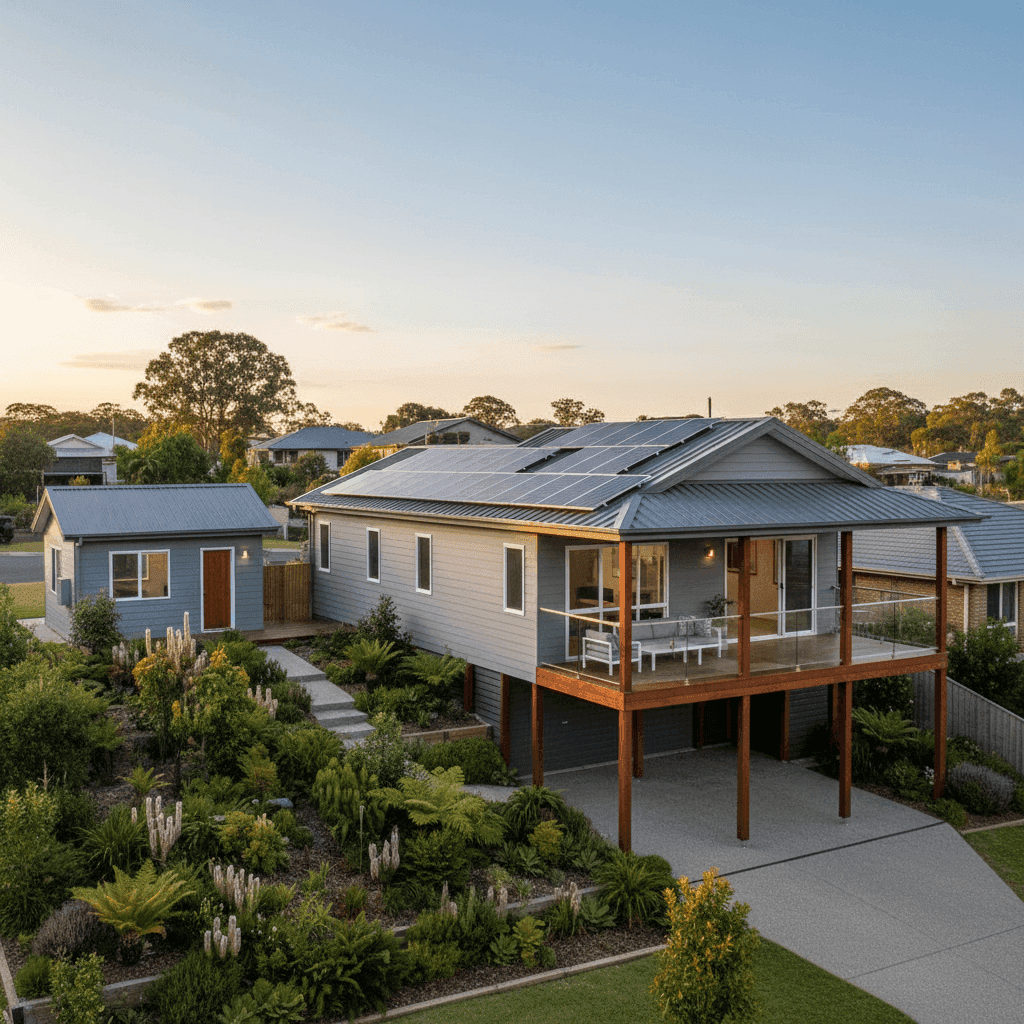
Morisset is a relaxed lakeside suburb on the western shores of Lake Macquarie in the Hunter Region of New South Wales. It's a popular spot for families and retirees alike, offering a quieter pace of life within commuting distance of Newcastle and Sydney. But as with any property purchase, understanding the true cost of protecting your home is just as important as finding the right place to live. This article breaks down a recent home and contents insurance quote for a 3-bedroom free standing home in Morisset (postcode 2264) and puts the numbers in context — so you can decide whether you're getting a fair deal.
---
Is This Quote Fair?
The quote in question comes in at $5,627 per year (or $549/month) for combined home and contents cover, with a building sum insured of $850,000 and contents valued at $50,000. The building excess is $3,000, and the contents excess is $1,000.
Our price rating for this quote is EXPENSIVE — above average.
To understand why, it helps to look at the numbers in context. The suburb average for Morisset sits at just $1,966 per year, with a median of $1,662. This quote is more than 2.8 times the suburb average — a significant gap that warrants a closer look.
That said, a few factors help explain the premium. The building sum insured of $850,000 is likely well above the suburb norm, and the property includes a granny flat, which adds to the total replacement value. Higher insured values directly translate to higher premiums, so some of the price difference is structural rather than a sign of poor value.
Still, even accounting for these factors, shopping around is strongly recommended. Premiums at this level deserve scrutiny.
---
How Morisset Compares
Here's how this quote stacks up against broader benchmarks:
| Benchmark | Premium |
|---|---|
| This Quote | $5,627/yr |
| Morisset Suburb Average | $1,966/yr |
| Morisset Suburb Median | $1,662/yr |
| Morisset 25th Percentile | $1,239/yr |
| Morisset 75th Percentile | $2,772/yr |
| NSW State Average | $9,528/yr |
| NSW State Median | $3,770/yr |
| Lake Macquarie LGA Average | $11,064/yr |
| National Average | $5,347/yr |
| National Median | $2,764/yr |
A few things stand out here. While this quote looks expensive relative to the Morisset suburb average, it actually sits close to the national average of $5,347 per year. That's a useful reference point — it suggests the quote isn't wildly out of step with what Australians are paying for home and contents insurance broadly.
It's also worth noting that the NSW state average of $9,528 per year is considerably higher, largely driven by high-value properties and elevated risk areas across the state. The Lake Macquarie LGA average of $11,064 is even higher still — so in that local government context, this quote is actually below the LGA average.
The suburb sample size of 16 quotes is relatively small, which means the local averages may not fully reflect the range of properties and cover levels in the area. Treat the suburb figures as a useful guide rather than a definitive benchmark.
---
Property Features That Affect Your Premium
Several characteristics of this property have a meaningful influence on the insurance premium:
Construction year (1950): Older homes tend to attract higher premiums. A home built in 1950 may have ageing plumbing, electrical systems, or structural elements that increase the likelihood of a claim. Insurers factor this in when pricing cover.
Hardiplank/Hardiflex cladding: Fibre cement cladding like Hardiplank is generally considered a moderate-risk external wall material. It's more fire-resistant than timber weatherboard but may be assessed differently by various insurers, so it's worth comparing policies carefully.
Steel/Colorbond roof: Colorbond roofing is widely regarded as a durable, low-maintenance option that holds up well in Australian conditions. This is generally a neutral-to-positive factor for insurers.
Pole/stump foundation: Homes built on poles or stumps — common in older Australian properties — can be more expensive to repair or rebuild after events like floods or ground movement. This foundation type may contribute to a higher premium.
Timber/laminate flooring: Timber floors in a pole-frame home can be vulnerable to moisture and flooding. Insurers may price this risk into the premium, particularly in areas near water.
Solar panels: The presence of solar panels adds to the replacement cost of the home. Most insurers include solar panels under building cover, so the higher sum insured partly reflects this.
Granny flat: A secondary dwelling on the property significantly increases the total rebuild cost. This is one of the most likely drivers of the elevated building sum insured of $850,000 and, by extension, the higher premium.
No pool, no cyclone risk area: These are positive factors — the absence of a pool removes a liability risk, and Morisset is not classified as a cyclone risk zone, which keeps premiums lower than they might otherwise be.
---
Tips for Homeowners in Morisset
1. Review your sum insured carefully An $850,000 building sum insured is substantial. Make sure this figure accurately reflects the cost to rebuild your home and granny flat from scratch — not the market value of the property. Overinsuring can mean unnecessarily high premiums; underinsuring can leave you exposed. Consider getting a professional building valuation to confirm the right figure.
2. Compare multiple insurers Given that this quote sits well above the suburb median, it's worth getting at least three to four competing quotes. Insurers assess older homes and non-standard construction types (like pole foundations and fibre cement cladding) very differently, and premiums can vary dramatically. Start comparing quotes at CoverClub to see what's available for your property.
3. Consider your excess levels This policy carries a $3,000 building excess and a $1,000 contents excess. Opting for a higher excess is one of the most effective ways to reduce your annual premium. If you have the financial buffer to cover a larger out-of-pocket cost in the event of a claim, increasing your excess could bring the premium down meaningfully.
4. Check what's covered under the granny flat Not all insurers automatically include a granny flat under a standard home and contents policy. Review your policy documents carefully to confirm that the secondary dwelling — including its fixtures, fittings, and any contents — is fully covered under your current policy. If it's being rented out, you may need landlord insurance for that portion of the property.
---
Ready to Compare?
Whether you're reviewing an existing policy or shopping for cover for the first time, comparing quotes is the single most effective way to make sure you're not overpaying. Head to CoverClub to get a personalised home and contents insurance quote for your Morisset property — and see how different insurers price up your specific home. You can also explore local suburb stats for Morisset or browse NSW-wide insurance data to benchmark your own premium.