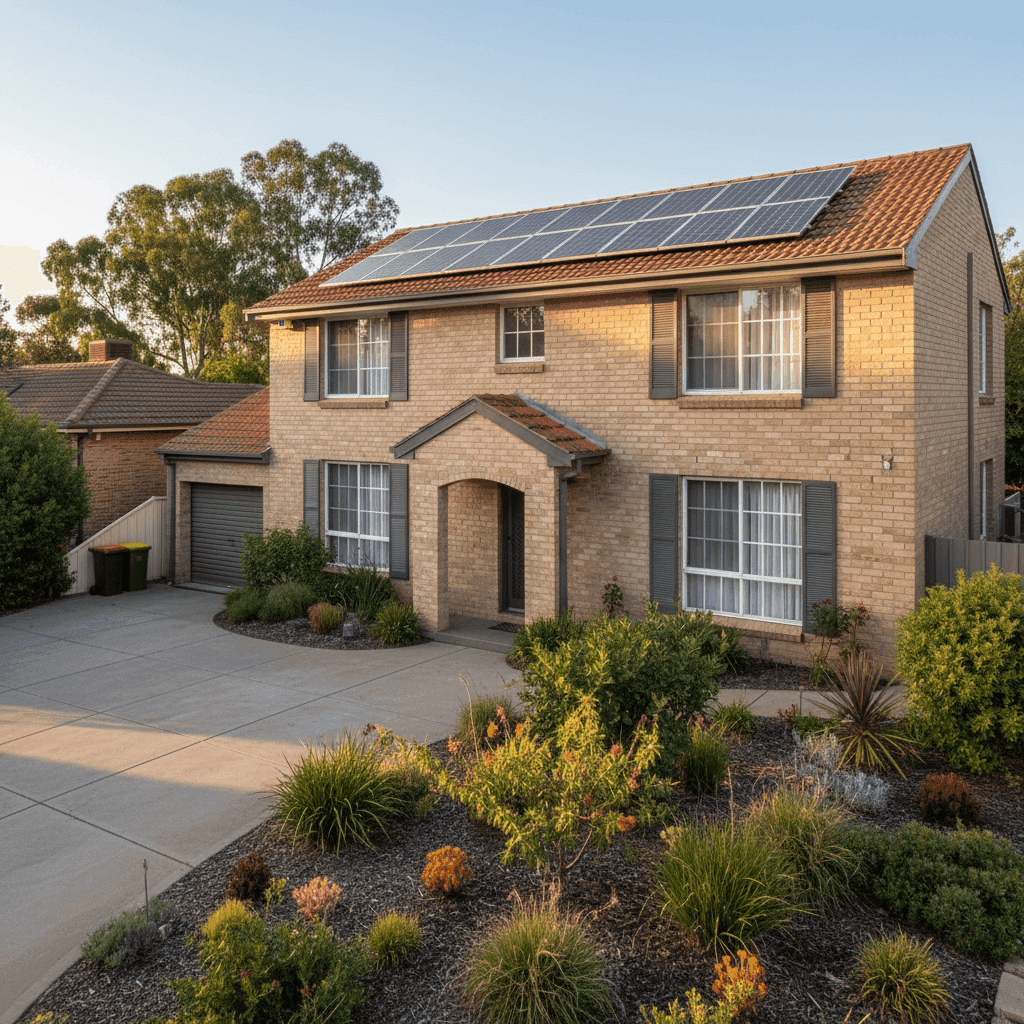
If you own a free standing home in Morley, WA 6062, you might be wondering whether your home insurance premium is competitive — or whether you're quietly overpaying year after year. We recently analysed a home and contents quote for a three-bedroom, double brick home in this popular Perth suburb, and the results are worth unpacking.
---
Is This Quote Fair?
The short answer: yes — and then some.
This quote came in at $722 per year (or around $68 per month) for combined home and contents cover, with a building sum insured of $556,000 and contents valued at $50,000. Our price rating for this quote is CHEAP, meaning it sits well below the average for the area.
To put that in perspective, the suburb average for Morley sits at $1,416 per year, and the median is even higher at $1,463. That means this quote is roughly 49% below the suburb average — a significant saving of nearly $700 annually. Even compared to the cheapest quarter of quotes in the suburb (the 25th percentile sits at $894/yr), this premium still comes in well under the benchmark.
For a homeowner in Morley, securing cover at this price point represents genuinely strong value, particularly given the level of cover on offer.
---
How Morley Compares
To understand just how well-priced this quote is, it helps to zoom out and look at the broader picture. You can explore full suburb-level data on the Morley insurance stats page.
| Benchmark | Annual Premium |
|---|---|
| This Quote | $722 |
| Morley Suburb Average | $1,416 |
| Morley Suburb Median | $1,463 |
| Morley 25th Percentile | $894 |
| Morley 75th Percentile | $1,849 |
| LGA (Bayswater) Average | $1,514 |
| WA State Average | $2,144 |
| WA State Median | $1,944 |
| National Average | $2,965 |
| National Median | $2,716 |
The numbers tell a compelling story. Morley itself is already a relatively affordable suburb for home insurance compared to broader Western Australian averages — the state average of $2,144 is more than 50% higher than the suburb average. And when you look at the national picture, the gap widens further: the national average of $2,965 is more than four times what this particular quote costs.
This reflects a few realities: Perth's northern suburbs tend to carry lower risk profiles than coastal, bushfire-prone, or cyclone-affected regions elsewhere in Australia, and Morley specifically benefits from its inland, established suburban character.
---
Property Features That Affect Your Premium
Several characteristics of this property likely contribute to its favourable premium. Here's how each feature plays a role:
Double Brick Construction
Double brick is widely regarded as one of the most resilient building materials in Australia, particularly in Western Australia where it's been the dominant construction method for decades. Insurers typically view double brick homes favourably because they offer strong resistance to fire, wind, and general wear — which translates to lower risk and, often, lower premiums.
Tiled Roof
A tiled roof is another tick in the box for insurers. Tiles are durable, fire-resistant, and have a long lifespan when properly maintained. Compared to older corrugated iron or ageing Colorbond, a tiled roof signals a lower likelihood of weather-related claims.
Stump Foundation with Timber/Laminate Flooring
The property sits on stumps — a common foundation type for homes built in the 1960s and 70s across Perth. While stumps can require periodic maintenance (particularly timber stumps), they're a well-understood risk for insurers. The timber and laminate flooring above is worth noting: it can be more susceptible to moisture damage than concrete slab flooring, so ensuring your policy covers internal water damage adequately is important.
Built in 1970
At over 50 years old, this home is solidly in the "established" category. Older homes can sometimes attract slightly higher premiums due to ageing systems (plumbing, wiring, roofing), but the double brick construction and tiled roof help offset this concern considerably.
Solar Panels
The property has solar panels installed. Most home insurance policies cover solar panels as part of the building sum insured, but it's worth confirming this with your insurer — particularly whether the policy covers accidental damage, storm damage, or malfunction. With solar becoming increasingly common across Perth, this is a detail that's easy to overlook.
Above Average Fittings
The above average fittings quality is a relevant factor here. Higher-quality fixtures, finishes, and appliances generally increase the cost to rebuild or replace — which is reflected in the $556,000 building sum insured. Getting the sum insured right is critical; underinsuring a well-finished home is a common and costly mistake.
---
Tips for Homeowners in Morley
Whether you're reviewing your existing policy or shopping around for the first time, here are some practical steps worth taking:
- Don't set and forget your sum insured. Building costs have risen significantly in recent years. If your policy hasn't been reviewed in a while, your $556,000 sum insured may no longer reflect the true cost of rebuilding your home. Use an independent building cost calculator or speak to a quantity surveyor to verify your coverage level.
- Check your solar panel coverage. Confirm with your insurer that your solar panels are explicitly included in your building cover. Ask about what events are covered — storm, hail, accidental damage, and theft are all worth clarifying. Some policies require panels to be listed separately.
- Review your contents sum insured annually. A $50,000 contents value can feel sufficient until you start itemising everything — furniture, appliances, clothing, electronics, and jewellery add up quickly. Above average fittings in the home often mean above average contents too.
- Ask about your excess structure. This policy carries a $2,000 building excess and a $1,000 contents excess. A higher excess generally reduces your premium, but make sure the excess is an amount you could genuinely afford to pay at short notice in the event of a claim.
---
Compare Your Own Quote
Premiums vary significantly between insurers — as this quote clearly demonstrates. Whether you're a longtime Morley resident or new to the suburb, it pays to compare your options regularly. Get a home insurance quote at CoverClub to see how your property stacks up and whether there's a better deal waiting for you.