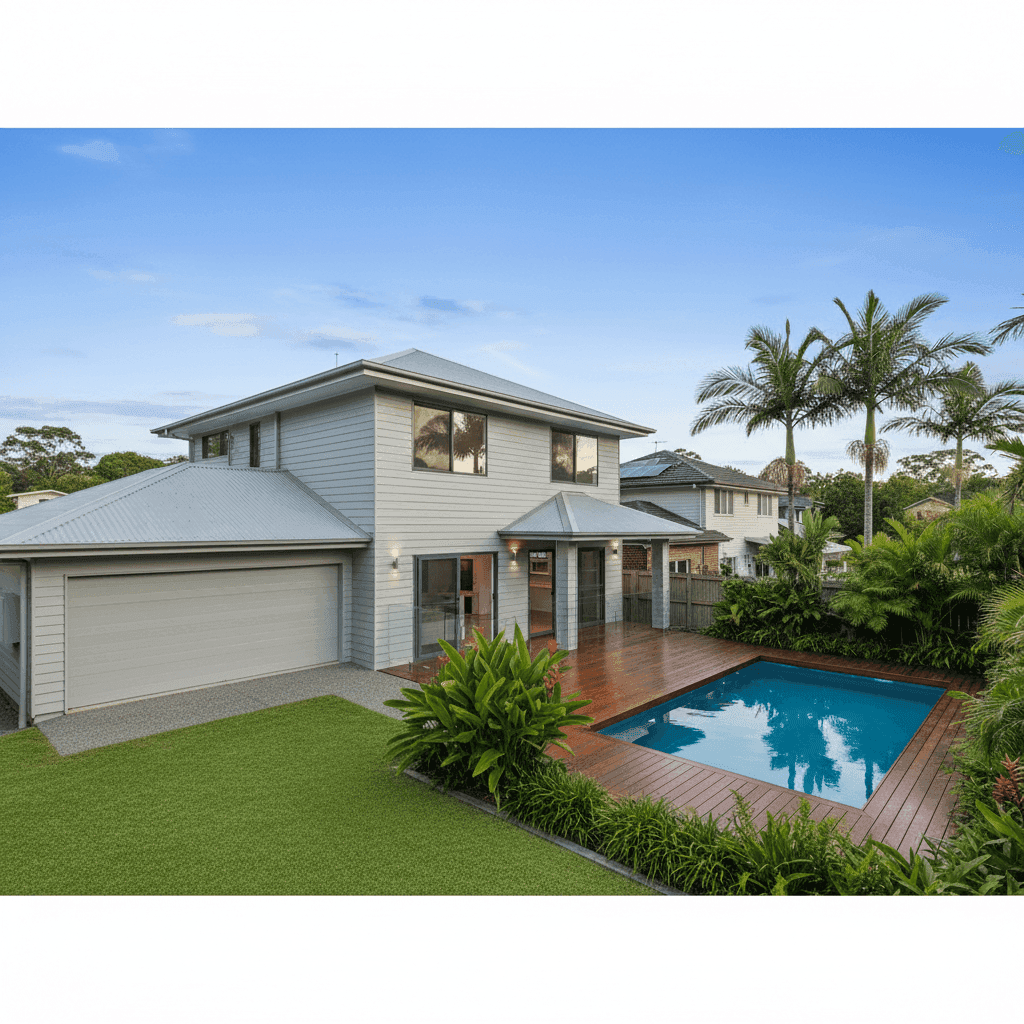
Morningside is a well-established inner-east Brisbane suburb that continues to attract families looking for space, lifestyle, and proximity to the CBD. For owners of a larger free standing home in this pocket of Queensland, understanding what you should be paying for home and contents insurance — and whether your current quote stacks up — is an important part of protecting one of your biggest assets.
This article breaks down a real home and contents insurance quote for a five-bedroom, three-bathroom free standing home in Morningside QLD 4170, and puts the numbers into context against suburb, state, and national benchmarks.
---
Is This Quote Fair?
The annual premium for this property came in at $1,940 per year (or $199/month), covering a building sum insured of $902,000 and $50,000 in contents. The building excess is $3,000 and the contents excess is $1,000.
Based on our pricing data, this quote is rated CHEAP — below the suburb average. That's a strong result for a property of this size and specification.
To put that in perspective:
- The suburb average for Morningside is $2,795/yr — this quote sits $855 below that figure.
- The suburb median is $2,561/yr, meaning more than half of comparable quotes in the area come in higher than this one.
- Even the 25th percentile for the suburb — the cheapest quarter of quotes — sits at $2,176/yr, which is still $236 more expensive than this premium.
In short, this quote is genuinely competitive, not just by a small margin. For a five-bedroom home with a pool and ducted climate control, landing below the suburb's cheapest quartile is a notable outcome.
---
How Morningside Compares
Zooming out to a broader view, the pricing context becomes even more interesting. You can explore the full data on the Morningside suburb stats page.
| Benchmark | Premium |
|---|---|
| This Quote | $1,940/yr |
| Morningside Suburb Average | $2,795/yr |
| Morningside Suburb Median | $2,561/yr |
| QLD State Average | $9,129/yr |
| QLD State Median | $3,903/yr |
| National Average | $5,347/yr |
| National Median | $2,764/yr |
| Brisbane LGA Average | $16,277/yr |
The QLD state average of $9,129/yr is heavily skewed by high-risk regional and coastal areas — particularly cyclone-prone zones in Far North Queensland — where premiums can be extraordinarily high. The state median of $3,903/yr is a more representative figure for most Queensland homeowners, and this quote still comes in well beneath it.
At the national level, the average premium of $5,347/yr similarly reflects the drag of high-risk areas across the country. The national median of $2,764/yr is actually slightly above this quote, reinforcing just how competitive the $1,940 figure is.
The Brisbane LGA average of $16,277/yr may seem startling, but this figure is heavily influenced by flood-prone and high-value properties across the broader LGA. Morningside itself, while not immune to weather risks, fares considerably better than many Brisbane suburbs in terms of insurance pricing.
---
Property Features That Affect Your Premium
Several characteristics of this property work in the homeowner's favour when it comes to pricing.
Modern construction (built 2020): Newer homes are generally cheaper to insure. A 2020 build means the property meets current building codes, uses modern materials, and is far less likely to have ageing infrastructure issues — all factors that reduce risk in an insurer's eyes.
Hardiplank/Hardiflex cladding: This fibre cement cladding is considered a durable, low-maintenance external wall material. It performs well against fire and moisture, which insurers tend to view favourably compared to older weatherboard or brick veneer.
Steel/Colorbond roof: Colorbond is one of the most popular roofing materials in Australia for good reason — it's lightweight, durable, and handles the elements well. It's also relatively straightforward and cost-effective to repair or replace, which can keep claims costs (and therefore premiums) lower.
Concrete slab foundation: Slab foundations are structurally sound and less susceptible to subsidence or pest-related damage than older stumped or suspended floor systems, reducing risk for insurers.
No cyclone risk: Morningside falls outside designated cyclone risk zones, which is a significant premium driver in many parts of Queensland. Properties in cyclone-affected areas can pay multiples of what a comparable south-east Queensland home would attract.
Pool: A swimming pool adds to the replacement cost of the property and introduces some additional liability considerations, which can nudge premiums upward. However, given the overall competitiveness of this quote, it hasn't had a dramatic impact here.
Ducted climate control: Ducted systems are a meaningful inclusion in the building sum insured — they're expensive to replace. Ensuring the $902,000 building sum insured adequately reflects this (along with the pool and overall size at 367 sqm) is worth reviewing periodically.
---
Tips for Homeowners in Morningside
1. Review your building sum insured regularly At 367 sqm with a pool, ducted air conditioning, and quality fittings, rebuilding costs can escalate quickly. Construction costs in south-east Queensland have risen significantly in recent years. Make sure your $902,000 sum insured reflects current rebuild costs — not what the home was worth when you first took out the policy. Underinsurance is one of the most common — and costly — mistakes homeowners make.
2. Don't assume loyalty pays off Even if you're with the same insurer year after year, your renewal premium may creep up while better-priced options emerge elsewhere. This quote demonstrates that well-priced cover exists in Morningside — but you won't find it without comparing. Use a comparison tool like CoverClub to check the market at each renewal.
3. Consider your excess carefully This policy carries a $3,000 building excess and a $1,000 contents excess. Higher excesses typically lower your premium, but make sure you're comfortable covering that amount out of pocket in the event of a claim. If a $3,000 outlay would be a financial strain, it may be worth comparing quotes with a lower excess — even if the premium is slightly higher.
4. Check what's excluded around storm and water damage Brisbane's inner east can experience intense summer storms and localised flooding. Review your Product Disclosure Statement (PDS) carefully to understand how your policy handles storm surge, flash flooding, and water ingress. Not all policies treat these the same way, and the fine print matters enormously when you need to make a claim.
---
Compare Your Own Quote
Whether you're buying, renewing, or just curious about what you should be paying, CoverClub makes it easy to see how your premium stacks up. Get a home insurance quote and compare it against real data from your suburb, your state, and across Australia — so you always know if you're getting a fair deal.