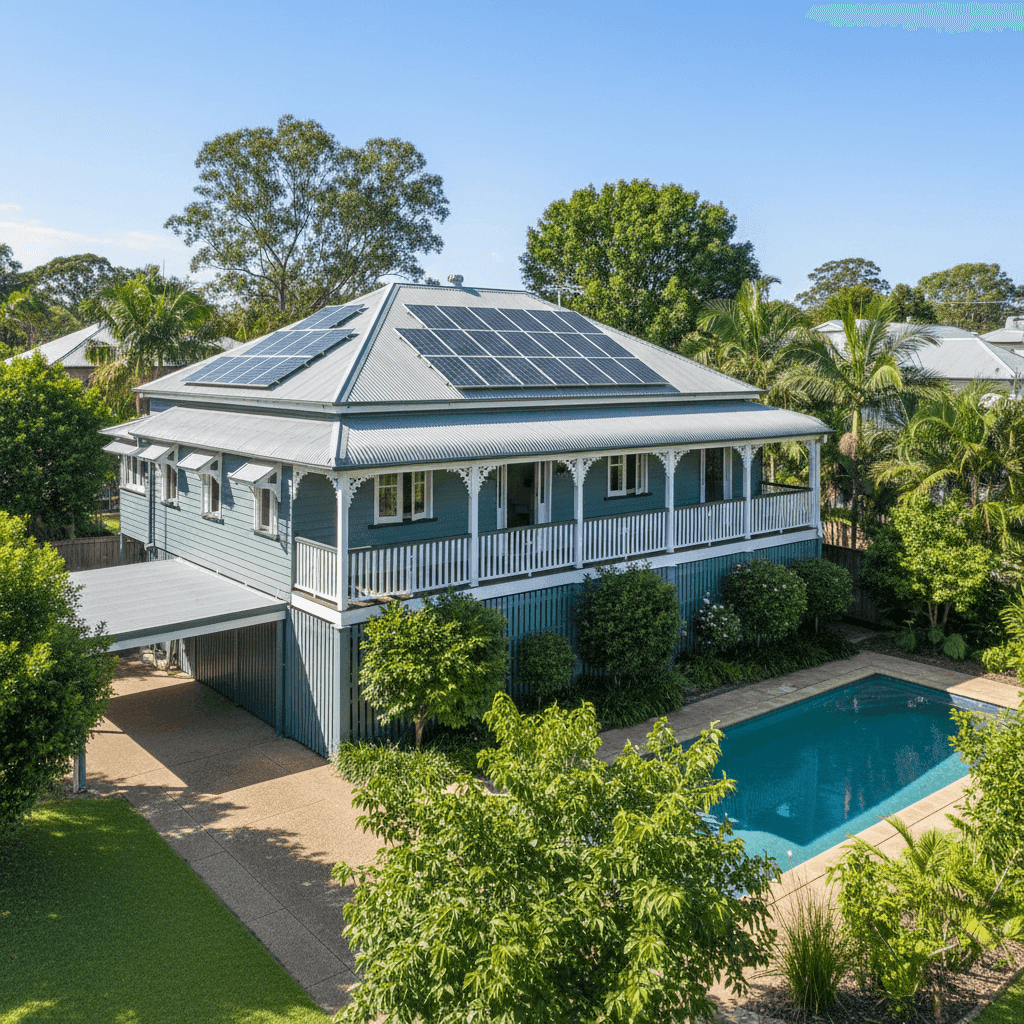
Morningside is a well-established inner-eastern suburb of Brisbane, known for its leafy streets, character homes, and easy access to the CBD. It's also a suburb where home insurance can vary enormously — and if you own a classic weatherboard property here, understanding what drives your premium is essential. This article breaks down a real home and contents insurance quote for a four-bedroom, three-bathroom free standing home in Morningside (QLD 4170), and puts the numbers in context so you can make a more informed decision.
---
Is This Quote Fair?
The quote in question comes in at $15,220 per year (or $1,459 per month) for combined home and contents cover, with a building sum insured of $760,000 and contents valued at $125,000. The building excess sits at $2,000 and the contents excess at $1,000.
Our pricing analysis rates this quote as Expensive — Above Average.
To understand why, it helps to look at the broader picture. The suburb average for Morningside sits at just $2,795 per year, with a median of $2,561. At $15,220, this quote is more than five times the local suburb average — a significant gap that warrants a closer look.
That said, context matters. The suburb comparison data is drawn from a sample of 39 quotes, which may not fully reflect properties with high building sums insured, older construction, or premium features like pools and solar. The Brisbane LGA average of $16,277 per year actually places this quote below the broader LGA benchmark — suggesting that for a substantial, well-appointed home in inner Brisbane, this figure isn't entirely out of the ordinary.
Still, if you're paying this much, it's worth shopping around to confirm you're getting competitive value for the coverage on offer.
---
How Morningside Compares
Putting this quote into a wider statistical context reveals some interesting dynamics:
| Benchmark | Premium |
|---|---|
| This quote | $15,220/yr |
| Morningside suburb average | $2,795/yr |
| Morningside suburb median | $2,561/yr |
| QLD state average | $9,129/yr |
| QLD state median | $3,903/yr |
| National average | $5,347/yr |
| National median | $2,764/yr |
| Brisbane LGA average | $16,277/yr |
A few things stand out here. First, Queensland's average premium of $9,129 per year is already well above the national average of $5,347, reflecting the state's elevated exposure to weather-related risks including storms, flooding, and hail. Second, the gap between Queensland's mean ($9,129) and median ($3,903) is wide, indicating that a relatively small number of high-value or high-risk properties are pulling the average up significantly — which is consistent with the Brisbane LGA average of $16,277.
This quote sits comfortably within the upper tier of Brisbane premiums, largely driven by the high building sum insured and the property's specific characteristics.
---
Property Features That Affect Your Premium
Several features of this property have a meaningful impact on what insurers charge:
Weatherboard timber construction (1961) Older weatherboard homes are generally more expensive to insure than modern brick or rendered properties. Timber is more susceptible to fire, rot, and termite damage, and sourcing matching materials for repairs on a 60-year-old home can be costly. Insurers price this risk accordingly.
Stump foundations Homes on stumps — common in Queensland's older housing stock — are more vulnerable to subsidence, movement, and underfloor moisture issues. This adds complexity to building claims and can influence premiums.
Timber and laminate flooring Timber floors, particularly in older homes, can be expensive to repair or replace following water damage or impact events. Combined with the weatherboard construction, this contributes to a higher overall rebuild cost estimate.
Swimming pool A pool adds to both the replacement value of the property and the liability exposure for insurers. Pool-related incidents are a known claims category, and their presence typically nudges premiums upward.
Solar panels Solar systems add to the insured value of the building and can complicate roof repairs after storm or hail events. Insurers factor in the cost of replacing panels and associated equipment.
Ducted climate control Ducted air conditioning systems are a significant fixed asset within the home. Their inclusion in the building sum insured contributes to the higher replacement cost and, by extension, the premium.
Building sum insured: $760,000 This is the single biggest driver of the premium. A $760,000 sum insured for a 214 sqm home in inner Brisbane reflects the genuine cost of a full rebuild — including labour, materials, professional fees, and the premium finishes typical of an established character home. Getting this figure right is critical: underinsurance is a serious risk, but overinsurance means you're paying more than necessary.
---
Tips for Homeowners in Morningside
1. Review your sum insured regularly Building costs fluctuate, and what was an accurate rebuild estimate two years ago may no longer reflect current construction prices. Use a professional quantity surveyor or an online building calculator to validate your sum insured annually — and make sure it accounts for features like your pool, solar system, and ducted air conditioning.
2. Consider a higher excess to reduce your premium If you have the financial buffer to cover a larger out-of-pocket cost in the event of a claim, increasing your excess (say, from $2,000 to $5,000 on the building) can meaningfully reduce your annual premium. This strategy works best for homeowners who are unlikely to make small or frequent claims.
3. Ask about discounts for security and safety features Many insurers offer premium reductions for homes with monitored alarm systems, deadlocks, and smoke detectors. If your Morningside home has these in place, make sure your insurer knows — and if it doesn't, the investment may pay for itself through lower premiums over time.
4. Compare quotes before renewal The home insurance market is competitive, and loyalty doesn't always pay. Insurers frequently offer better rates to new customers than to existing ones. Set a reminder to compare quotes at least four to six weeks before your renewal date, giving yourself time to negotiate or switch without a coverage gap.
---
Find a Better Deal with CoverClub
Whether you're renewing your existing policy or shopping for cover on a new property, comparing quotes is the smartest move you can make. At CoverClub, we make it easy to see how your premium stacks up against real data from your suburb, your state, and across Australia. Get a home insurance quote today and find out if you could be paying less for the same — or better — protection.