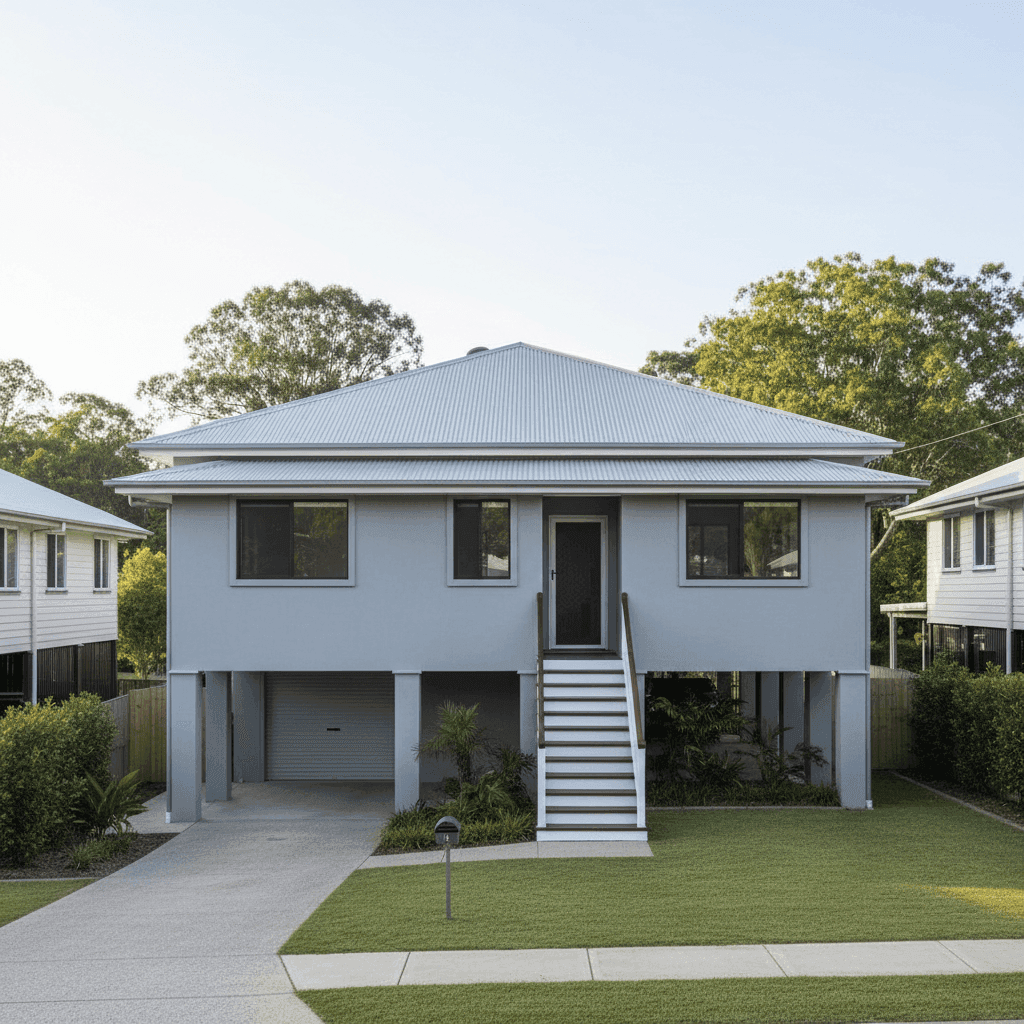
If you own a free standing home in Mornington, QLD 4825, you'll know that finding the right home insurance at a fair price takes a little research. This article breaks down a real home and contents insurance quote for a four-bedroom, two-bathroom property in the area — looking at what drives the premium, how it stacks up against Queensland and national benchmarks, and what local homeowners can do to make sure they're getting value for money.
---
Is This Quote Fair?
The annual premium on this quote comes in at $1,449 per year (or roughly $139 per month), covering both building and contents. The building is insured for $887,000 and contents for $87,000 — a comprehensive level of cover for a home of this size and age.
Our pricing engine rates this quote as CHEAP — Below Average, which is genuinely good news for the homeowner. In a state where insurance premiums have been climbing steadily due to weather events and rising rebuild costs, landing a premium well below the typical range is a meaningful win.
To put it in perspective: the Queensland state average premium sits at $9,129 per year, with a median of $3,903. This quote is less than half the state median — a significant saving. Even against the national average of $5,347 and a national median of $2,764, this premium holds up well.
The excess structure is worth noting: a $5,000 building excess and $2,000 contents excess are on the higher side, and this is likely a key reason the premium is as competitive as it is. Higher excesses reduce the insurer's exposure to smaller claims, which translates into a lower ongoing premium. Homeowners should be comfortable covering those amounts out of pocket before making a claim.
---
How Mornington Compares
Suburb-level data for Mornington QLD 4825 is limited, but we can draw meaningful comparisons using the broader regional and state picture. You can explore available Mornington suburb insurance stats here.
| Benchmark | Annual Premium |
|---|---|
| This Quote | $1,449 |
| LGA (Carpentaria) Average | $5,066 |
| QLD State Average | $9,129 |
| QLD State Median | $3,903 |
| National Average | $5,347 |
| National Median | $2,764 |
The LGA average for the Carpentaria region is $5,066 per year — more than three times this quote. That gap is striking and suggests the specific characteristics of this property are working strongly in the homeowner's favour. Queensland as a whole carries some of the highest home insurance premiums in the country, largely driven by tropical weather risks, flooding, and cyclone exposure in many parts of the state. The fact that this property is in a non-cyclone risk area is a substantial factor in keeping costs down.
---
Property Features That Affect Your Premium
Several characteristics of this property play a direct role in shaping the premium — both positively and negatively.
Features That Help Keep Costs Down
- Non-cyclone risk area: This is arguably the single biggest factor. Properties in cyclone-declared zones across Queensland can attract dramatically higher premiums. Being outside that zone removes a major risk loading.
- Concrete external walls: Concrete construction is highly regarded by insurers for its durability and resistance to fire, impact, and storm damage. It's one of the more favourable wall materials from an underwriting perspective.
- Steel/Colorbond roof: Colorbond roofing is durable, lightweight, and performs well in Australian conditions. Insurers generally view it favourably compared to older roofing materials like terracotta tiles or asbestos sheeting.
- Slab foundation: Concrete slab foundations are considered stable and low-risk, reducing concerns around subsidence or structural movement.
- No pool or solar panels: Both of these features can add complexity and cost to a policy. Their absence simplifies the risk profile.
Features That Add Complexity
- Construction year (1968): At over 55 years old, this home is considered older stock. Ageing properties can carry higher rebuild risk due to outdated wiring, plumbing, or materials that are more expensive to replace or match. Insurers factor this in when assessing the sum insured.
- Elevated by at least 1 metre: While elevation can help with flood resilience in some cases, elevated homes also carry structural considerations — particularly around subfloor access, stumps or piers, and the cost of repairs to elevated sections.
- Timber/laminate flooring: Timber floors can be more costly to repair or replace than concrete or tile, particularly in older homes where matching original materials is difficult.
- Ducted climate control: Ducted systems are more expensive to repair or replace than split systems and are included in the building sum insured calculation.
The $887,000 building sum insured reflects a thorough approach to replacement cost — important for a 205 sqm home of this age and construction type, where rebuild costs can be higher than expected.
---
Tips for Homeowners in Mornington
1. Review your sum insured regularly Building costs in regional Queensland have risen considerably in recent years. The $887,000 sum insured on this property appears well-considered for a 205 sqm concrete home, but it's worth reassessing annually. Underinsurance is one of the most common — and costly — mistakes homeowners make at claim time.
2. Understand your excess before you claim With a $5,000 building excess and $2,000 contents excess, this policy is structured for major events rather than minor repairs. Don't make a claim for damage that falls below or close to your excess — it can affect your claims history and future premiums without delivering much benefit.
3. Document your contents thoroughly At $87,000, the contents sum insured needs to be backed up with evidence. Create a home inventory — photographs, receipts, serial numbers — and store it somewhere accessible (like cloud storage) rather than in the home itself. This makes the claims process far smoother.
4. Keep up with home maintenance Insurers can reduce or reject claims if damage is attributed to lack of maintenance rather than a covered event. For an older home like this one, staying on top of roof condition, plumbing, and electrical systems is both a safety issue and an insurance one.
---
Compare Your Options with CoverClub
Whether you're reviewing an existing policy or shopping for cover for the first time, it pays to compare. CoverClub makes it easy to see how your premium stacks up and find competitive quotes tailored to your property. Get a home insurance quote today and see what you could be saving — because even a "cheap" quote might have room to improve.