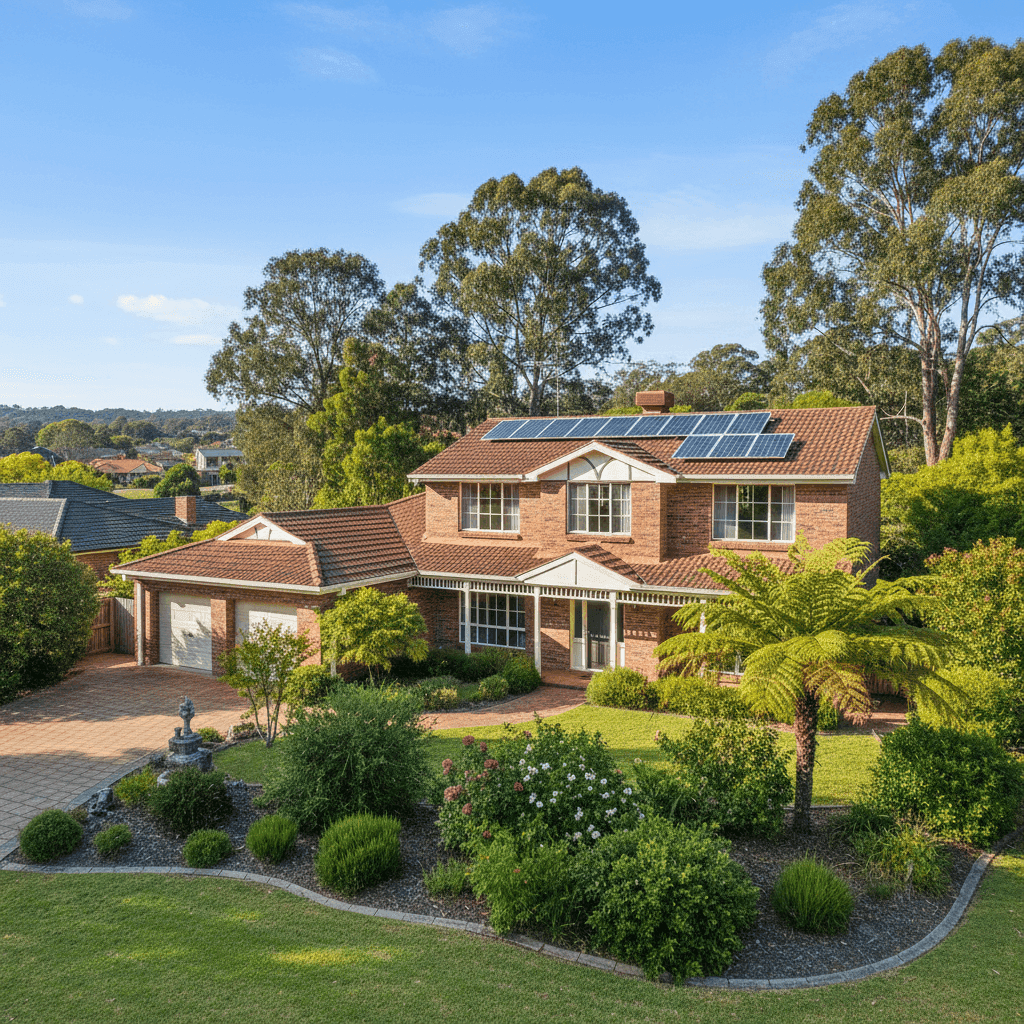
Mount Evelyn is a leafy, semi-rural suburb nestled in the foothills of the Yarra Ranges, around 40 kilometres east of Melbourne's CBD. It's a popular choice for families seeking space and a relaxed lifestyle without straying too far from the city. For owners of a free standing home in this area, understanding what you should be paying for home and contents insurance — and why — is an important part of protecting one of your most valuable assets.
This article breaks down a recent home and contents insurance quote for a five-bedroom, three-bathroom free standing home in Mount Evelyn, comparing it against local, state, and national benchmarks to help you understand whether the price stacks up.
---
Is This Quote Fair?
The annual premium for this property came in at $1,938 per year (or $190 per month), covering a building sum insured of $850,000 and contents valued at $150,000. Based on our pricing data, this quote is rated CHEAP — meaning it sits well below the average for the area.
To put that in perspective, the suburb average premium for Mount Evelyn is $3,391 per year, and the median sits at $3,027 per year. Even at the 25th percentile — meaning cheaper than 75% of quotes in the suburb — the benchmark is $2,338 per year. This quote comes in comfortably below that mark, which is a strong result for the homeowner.
It's worth noting that the building excess on this policy is $3,000, which is on the higher side. A higher excess is one of the most common ways insurers reduce the upfront premium. If a claim were to arise, the out-of-pocket cost before cover kicks in would be significant, so it's important to weigh that trade-off carefully. The contents excess of $1,000 is more typical.
Overall, at this price point, the quote represents genuine value — though as always, premium alone shouldn't be the only factor when choosing a policy. Cover limits, exclusions, and the insurer's claims reputation matter just as much.
---
How Mount Evelyn Compares
Mount Evelyn's suburb insurance data tells an interesting story. Based on 134 quotes collected for the area, premiums here run notably higher than both state and national averages — a reflection of the elevated risk profile that comes with living in a bushfire-prone, hilly region on Melbourne's urban fringe.
Here's a quick snapshot:
| Benchmark | Average Premium | Median Premium |
|---|---|---|
| Mount Evelyn (3796) | $3,391/yr | $3,027/yr |
| Yarra Ranges LGA | $4,615/yr | — |
| Victoria | $2,921/yr | $2,694/yr |
| National | $2,965/yr | $2,716/yr |
The Yarra Ranges LGA average of $4,615 per year is particularly striking — the highest figure in this comparison. This suggests that while Mount Evelyn itself sits at a premium compared to the state and national averages, it is actually more affordable than many neighbouring areas within the same local government area.
You can explore Victoria-wide insurance data or national home insurance statistics to see how other regions compare.
---
Property Features That Affect Your Premium
Several characteristics of this property will influence how insurers assess and price the risk. Here's what's most relevant:
Age and construction (1945, brick veneer on stumps) Built in 1945, this home is over 80 years old. Older homes can attract higher premiums due to the increased likelihood of aging infrastructure — think plumbing, wiring, and roofing materials that may not meet modern standards. However, brick veneer construction is generally viewed favourably by insurers, as it offers solid fire resistance compared to weatherboard or timber-clad homes. The stump foundation is common for homes of this era in Victoria and can sometimes raise questions around subsidence or structural movement, particularly in areas with reactive soils.
Tiled roof Terracotta or concrete tile roofs are considered a relatively low-risk roofing material. They're durable, fire-resistant, and long-lasting when well maintained — all factors that work in the homeowner's favour at assessment time.
Solar panels The presence of solar panels adds replacement value to the building sum insured. Insurers typically include solar panels under building cover, but it's worth confirming this with your insurer and ensuring the sum insured reflects their current replacement cost.
Ducted climate control Ducted heating and cooling systems are a significant fixed asset within the home. Like solar panels, they contribute to the overall replacement cost of the building and should be factored into the sum insured calculation to avoid being underinsured.
Bushfire proximity Mount Evelyn sits within a Bushfire Management Overlay area. While this property is not in a designated cyclone risk zone, bushfire risk is a meaningful factor for insurers in this region and is one of the primary drivers of the elevated local premiums seen across the Yarra Ranges.
---
Tips for Homeowners in Mount Evelyn
1. Review your sum insured regularly With a building sum insured of $850,000 for a 214 sqm home built in 1945, it's essential to ensure this figure accurately reflects the full cost of rebuilding — not the market value of the property. Construction costs have risen sharply in recent years, and underinsurance remains one of the most common issues homeowners face at claim time. Use a building cost calculator or speak with a quantity surveyor to validate your figure.
2. Prepare your property for bushfire season Living in a bushfire-prone area means proactive preparation can make a real difference — both to your safety and your insurability. Maintain a defendable space around the home, clear gutters regularly, and store firewood away from the structure. Some insurers may ask about your property's bushfire preparedness when assessing risk.
3. Understand your excess before committing The $3,000 building excess on this policy is higher than average. Make sure you have that amount readily accessible in the event of a claim. If cash flow is a concern, it may be worth comparing policies with a lower excess — even if the annual premium is slightly higher.
4. Check what's included for solar and ducted systems Confirm with your insurer that your solar panels and ducted climate control system are explicitly covered under the building policy. Some policies treat these as standard inclusions; others may require endorsements or have specific sub-limits. Getting clarity upfront avoids unpleasant surprises at claim time.
---
Find a Better Deal with CoverClub
Whether you're renewing your existing policy or shopping around for the first time, comparing quotes is the single most effective way to ensure you're not overpaying. CoverClub makes it easy to see how your premium stacks up against real data from your suburb and beyond. Get a home insurance quote today and find out if there's a better deal waiting for you.