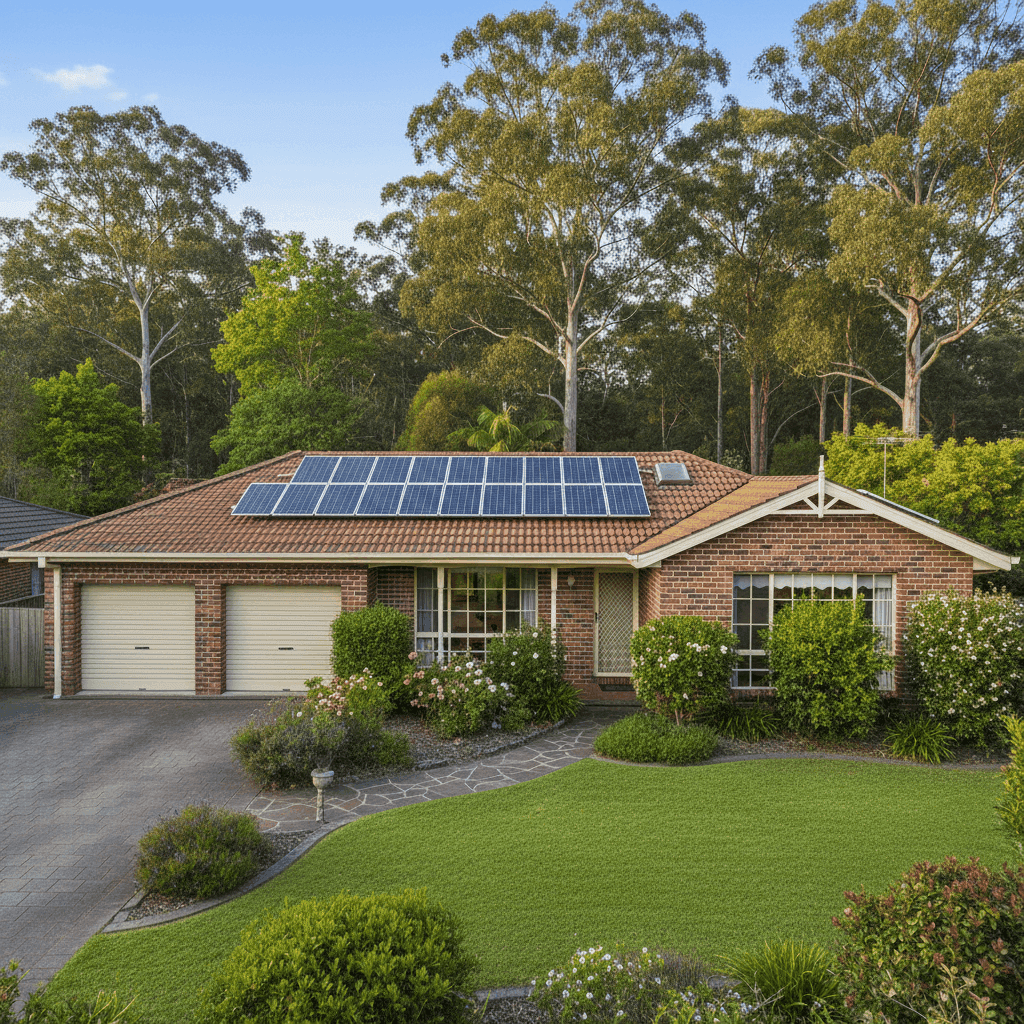
Mount Evelyn is a leafy outer-eastern suburb of Melbourne, nestled in the foothills of the Yarra Ranges. It's the kind of place where established brick homes sit on generous blocks surrounded by tall gums — a beautiful setting, but one that comes with its own insurance considerations. This article breaks down a recent home and contents insurance quote for a three-bedroom free standing home in Mount Evelyn (VIC 3796), examining whether the price stacks up and what factors are likely driving it.
---
Is This Quote Fair?
The quote in question comes in at $1,319 per year (or $129/month) for combined home and contents cover — with a building sum insured of $560,000 and contents valued at $20,000. The building excess sits at $3,000 and the contents excess at $1,000.
Our price rating for this quote is CHEAP, meaning it falls well below the average for the area. To put that in perspective:
- The suburb average for Mount Evelyn is $3,391/yr
- The suburb median is $3,027/yr
- Even the 25th percentile (the cheapest quarter of quotes) sits at $2,338/yr
This quote is priced significantly below even the cheapest 25% of quotes seen in the suburb — a strong result by any measure. For a homeowner in Mount Evelyn, this represents meaningful savings of over $2,000 per year compared to what many neighbours may be paying.
It's worth noting that the higher excess amounts — particularly the $3,000 building excess — do contribute to the lower premium. A higher excess means you're agreeing to cover more out of pocket in the event of a claim, which reduces the insurer's risk and therefore the cost of your policy. Whether that trade-off suits your financial situation is something worth considering carefully.
---
How Mount Evelyn Compares
Mount Evelyn sits within the Yarra Ranges LGA, which carries one of the higher average premiums in Victoria at $4,615/yr. This reflects the elevated risk profile of the region — bushfire exposure being the primary driver, alongside the general remoteness and tree density that characterises the area.
Here's how the suburb stacks up against broader benchmarks:
| Benchmark | Average Premium | Median Premium |
|---|---|---|
| Mount Evelyn (3796) | $3,391/yr | $3,027/yr |
| Yarra Ranges LGA | $4,615/yr | — |
| Victoria | $2,921/yr | $2,694/yr |
| National | $2,965/yr | $2,716/yr |
As you can see, Mount Evelyn premiums are notably higher than both the Victorian state average and the national average. This is consistent with what we see across much of the Yarra Ranges — insurers price in the bushfire risk that comes with living in and around heavily wooded terrain. The fact that this particular quote comes in so far below all of these benchmarks suggests either a particularly competitive insurer, or that specific property attributes are working in the homeowner's favour.
---
Property Features That Affect Your Premium
Several characteristics of this property are likely influencing the premium — some favourably, others less so.
Brick Veneer Walls & Tiled Roof Brick veneer construction with a tiled roof is generally viewed positively by insurers. Brick is non-combustible and more resistant to fire and impact damage than timber weatherboard, which is a meaningful advantage in a bushfire-prone region like the Yarra Ranges. Tiles, similarly, offer better fire resistance than Colorbond or corrugated iron in certain scenarios, though they can be more susceptible to hail damage.
Stump Foundation & Timber/Laminate Flooring The home sits on stumps — a common foundation type for older Victorian homes, particularly those built in the 1970s and 80s. Stump foundations can be a risk factor for insurers due to potential subsidence, pest damage, and the cost of re-stumping if required. Timber and laminate flooring, while attractive, is also more vulnerable to water damage than tile or concrete, which may factor into contents and building assessments.
Built in 1985 At around 40 years old, this home is approaching the age range where insurers begin to scrutinise condition more closely. Older homes can carry higher rebuild costs relative to their market value, and may have ageing plumbing, wiring, or roofing that increases the likelihood of a claim. That said, a well-maintained 1985 brick home is generally still considered a solid risk.
Solar Panels The presence of solar panels adds a modest layer of complexity to the building sum insured. Panels need to be covered for storm, hail, and fire damage, and replacement costs can be significant. Homeowners should confirm that their solar system is explicitly included in their building cover and that the sum insured accounts for its replacement value.
Ducted Climate Control Ducted heating and cooling systems are fixed to the building and typically covered under building insurance rather than contents. This is a relatively high-value item and should be factored into the building sum insured calculation — particularly for older systems where replacement costs have risen with inflation.
No Pool The absence of a swimming pool removes one potential liability and maintenance risk from the equation, which can have a minor positive effect on premiums.
---
Tips for Homeowners in Mount Evelyn
1. Review your bushfire preparedness annually Living in the Yarra Ranges means bushfire risk is a real and ongoing consideration. Some insurers offer discounts or more favourable terms for homes with ember guards on vents, metal fly screens, and cleared defendable space. Maintaining a BAL (Bushfire Attack Level) assessment and acting on its recommendations can also support your case when shopping for cover.
2. Check your building sum insured includes everything At $560,000, the building sum insured needs to cover not just the structure but also solar panels, ducted climate control, fencing, garages, sheds, and any other fixed improvements. Use an independent building cost calculator or speak with a quantity surveyor to make sure you're not underinsured — a common and costly mistake.
3. Understand your excess before you commit A $3,000 building excess is on the higher end. While it helps keep premiums down, it means you'd need to fund the first $3,000 of any building claim yourself. Make sure this aligns with your savings buffer, and consider whether a lower excess option might be worth the additional premium cost.
4. Compare quotes at renewal — every year The insurance market is competitive, and premiums can shift significantly from year to year. The fact that this quote is priced well below the suburb average shows that shopping around pays off. Don't simply auto-renew — take the time to compare at least two or three quotes before committing.
---
Ready to Find a Better Deal?
Whether you're a first-time buyer or a long-term Mount Evelyn resident, comparing home insurance quotes is one of the easiest ways to save money without sacrificing cover. Get a quote at CoverClub and see how your current policy stacks up against the market — it only takes a few minutes.