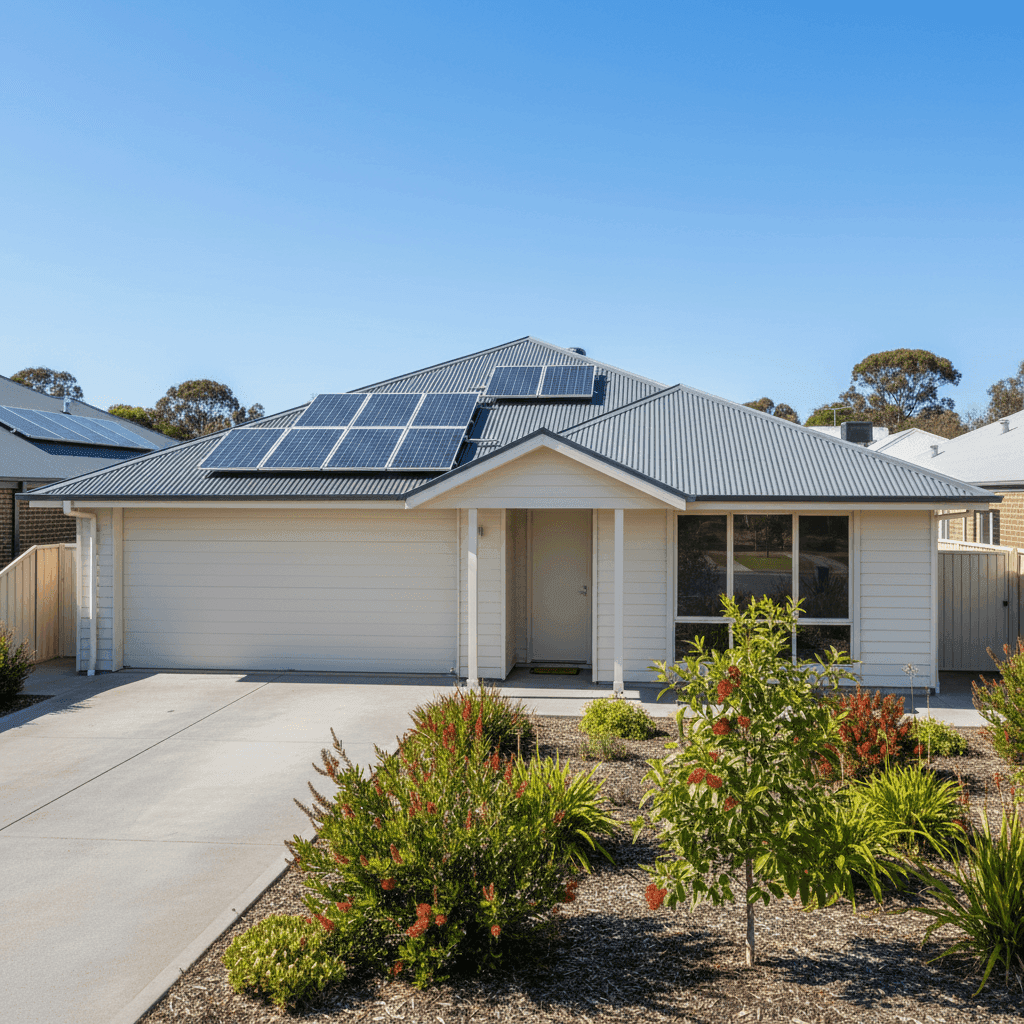
Mount Gambier is one of South Australia's most liveable regional cities — and if you own a free standing home here, you're probably curious about whether your home insurance premium stacks up. This article breaks down a real home and contents quote for a three-bedroom weatherboard home in Mount Gambier SA 5290, comparing it against local, state, and national benchmarks to help you understand what you're paying and why.
---
Is This Quote Fair?
The annual premium for this property came in at $1,116 per year (or roughly $109 per month), covering both building (insured at $550,000) and contents ($50,000). The price rating for this quote is Fair — Around Average, which is a reasonable result for a regional South Australian property.
To put that in perspective:
- The suburb average for Mount Gambier is $1,181/yr, and the median sits at $1,105/yr
- This quote falls almost exactly between those two figures — slightly below the average and just above the median
- The 25th percentile for the suburb is $920/yr, and the 75th percentile is $1,317/yr, meaning this quote lands comfortably in the middle of the pack
In short, there's nothing alarming here. You're not overpaying dramatically, but there's also room to potentially do better — particularly if you shopped around and landed closer to that 25th percentile mark.
---
How Mount Gambier Compares
One of the most striking takeaways from this quote is just how affordable Mount Gambier is relative to the broader insurance market. Here's a quick comparison:
| Benchmark | Average Premium | Median Premium |
|---|---|---|
| Mount Gambier (suburb) | $1,181/yr | $1,105/yr |
| Mount Gambier LGA | $1,397/yr | — |
| South Australia (state) | $1,933/yr | $1,787/yr |
| National | $2,965/yr | $2,716/yr |
This quote of $1,116/yr is:
- 5% below the suburb average
- 42% below the South Australian state average
- 62% below the national average
That's a substantial saving compared to homeowners in other parts of Australia. Much of this comes down to Mount Gambier's relatively low-risk profile — it sits outside cyclone zones, isn't prone to the same bushfire exposure as many parts of regional SA, and doesn't face the extreme weather volatility that drives premiums sky-high in coastal Queensland or northern Western Australia.
Based on a sample of 39 quotes in the 5290 postcode, the local data is reasonably robust, giving us solid confidence in these comparisons.
---
Property Features That Affect Your Premium
Several characteristics of this particular property influence how insurers price the risk. Here's what's most relevant:
Weatherboard Timber Walls
Weatherboard homes are among the most common dwelling types in older South Australian suburbs, and this one is no exception. Timber-framed external walls are generally considered a moderate risk by insurers — they're more susceptible to fire than brick veneer or double brick construction, which can nudge premiums slightly higher. That said, well-maintained weatherboard homes in low-risk areas like Mount Gambier are still very insurable at competitive rates.
Steel / Colorbond Roof
A Colorbond steel roof is actually a positive factor for insurance pricing. It's durable, low-maintenance, and highly resistant to the elements — including wind and hail. Insurers typically view metal roofing favourably compared to older tile or terracotta options, particularly in areas that experience seasonal storms.
Construction Year: 1984
At roughly 40 years old, this home sits in a period where construction standards were solid but pre-date some modern building codes. Older homes can attract slightly higher premiums due to the potential for ageing electrical wiring, plumbing, and structural components. However, a well-maintained 1980s home in a stable regional market like Mount Gambier shouldn't face significant loading on this basis alone.
Solar Panels
This property has solar panels installed, which adds a modest layer of complexity for insurers — panels need to be covered as part of the building sum insured, and any damage (from hail, storms, or fire) can be costly to repair or replace. It's worth confirming with your insurer that your solar system is explicitly covered under your building policy and that the $550,000 sum insured adequately accounts for it.
Slab Foundation & Timber/Laminate Flooring
A concrete slab foundation is generally considered low-risk — there's no subfloor cavity to worry about, and slab homes tend to be structurally stable over time. Timber and laminate flooring, however, can be vulnerable to water damage events, so it's worth ensuring your contents and building policies cover internal water damage scenarios adequately.
No Pool, No Ducted Climate Control
The absence of a pool removes a common liability risk factor, and no ducted climate control means fewer mechanical systems that could fail and generate a claim. Both of these omissions contribute to keeping the premium reasonable.
---
Tips for Homeowners in Mount Gambier
Whether you're reviewing your current policy or shopping for the first time, here are some practical steps to make the most of your home insurance:
- Review your sum insured annually. Building costs have risen significantly in recent years. The $550,000 sum insured on this property may be appropriate today, but it's worth checking against current construction costs in Mount Gambier to ensure you wouldn't be underinsured in a total loss scenario.
- Confirm solar panel coverage. If you have solar panels (as this property does), check your policy wording carefully. Some insurers cover panels automatically as part of the building; others require you to list them separately or increase your sum insured to account for them.
- Consider your excess settings. This quote carries a $2,000 building excess and a $600 contents excess. Opting for a higher voluntary excess is one of the most effective ways to reduce your annual premium — but make sure the excess amount is one you could genuinely afford to pay out of pocket at claim time.
- Shop the market every 1–2 years. Even if your current premium feels reasonable, insurers frequently reprice their books. Running a fresh comparison through a platform like CoverClub takes just a few minutes and could reveal a meaningfully cheaper option — especially if your circumstances have changed.
---
Ready to Compare?
Whether you're happy with your current quote or looking for something better, it pays to see what else is out there. Get a home and contents quote at CoverClub and compare options side by side — it's free, fast, and tailored to your specific property. You can also explore more Mount Gambier insurance data to see how your premium sits within the local market.