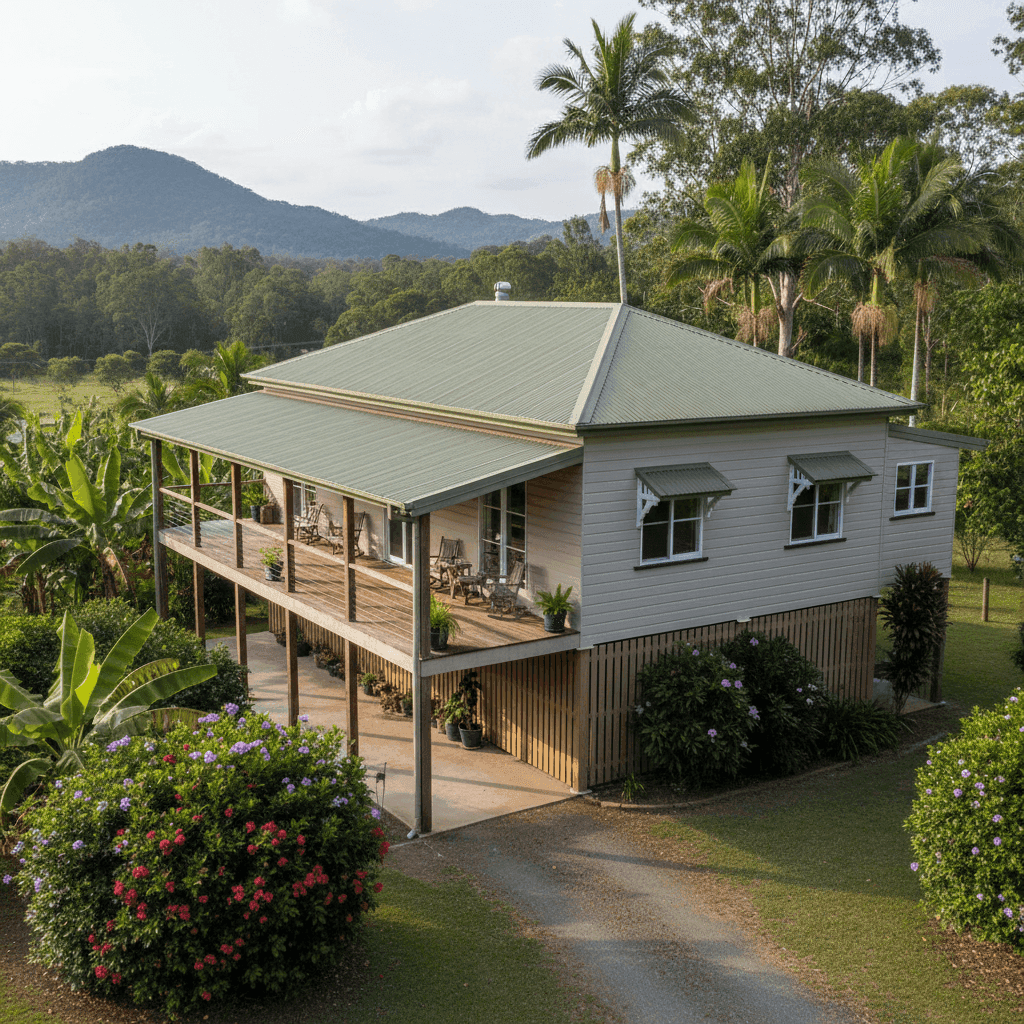
If you own a free standing home in Mount Molloy, QLD 4871, you've likely noticed that home insurance doesn't come cheap. Sitting in the tablelands west of Cairns, Mount Molloy is a small but characterful Queensland community — and like much of Far North Queensland, its insurance landscape is shaped by some very real environmental risks. This article breaks down a recent home and contents insurance quote for a 2-bedroom property in the area, examines whether the price stacks up, and offers practical guidance for local homeowners looking to get better value.
---
Is This Quote Fair?
The quote in question comes in at $24,476 per year (or $2,346/month) for combined home and contents cover, with a building sum insured of $496,000 and contents valued at $50,000. Both the building and contents excess sit at $1,000.
Our price rating for this quote is EXPENSIVE — above average. That's not a label we apply lightly, and it's worth unpacking what's driving it.
Even when benchmarked against Queensland's notoriously high insurance premiums, this quote stands out. The QLD state average premium is $9,129 per year, and the state median is $3,903 — meaning this quote is more than six times the state median and nearly three times the state average. Compared to the national average of $5,347 and a national median of $2,764, the gap is even more striking.
That said, context matters enormously here. Mount Molloy sits within a designated cyclone risk zone, which is one of the single biggest premium drivers in Australia. Insurers price cyclone exposure aggressively, and for properties in Far North Queensland, that loading can dwarf every other rating factor combined. The sum insured of $496,000 for the building is also on the higher end for a 105 sqm home, which will be contributing meaningfully to the overall cost.
---
How Mount Molloy Compares
Zooming in on the suburb-level data for Mount Molloy (4871), the picture becomes a little more nuanced — though it's worth noting the suburb sample size is small (5 quotes), so these figures should be treated as indicative rather than definitive.
| Benchmark | Premium |
|---|---|
| This Quote | $24,476/yr |
| Suburb Average | $1,843/yr |
| Suburb Median | $1,969/yr |
| Suburb 75th Percentile | $2,179/yr |
| QLD State Average | $9,129/yr |
| QLD State Median | $3,903/yr |
| National Average | $5,347/yr |
| National Median | $2,764/yr |
| LGA (Carpentaria) Average | $5,066/yr |
This quote sits well above every benchmark — suburb, LGA, state, and national. Even accounting for the cyclone risk loading and the relatively high building sum insured, the premium warrants scrutiny. It's a strong signal that shopping around could yield meaningful savings. Insurers price cyclone-prone properties very differently from one another, and the spread between the cheapest and most expensive quotes in high-risk areas can be enormous.
---
Property Features That Affect Your Premium
Several characteristics of this property have a direct bearing on what insurers charge. Understanding them helps you have a more informed conversation with your broker or insurer.
Cyclone Risk Zone
This is the elephant in the room. Mount Molloy is classified as a cyclone risk area, and insurers apply significant loadings to properties in these zones. Cyclone cover typically includes damage from wind, rain, and storm surge — all of which are costly to underwrite in Far North Queensland.
Hardiplank/Hardiflex External Walls
Fibre cement cladding like Hardiplank and Hardiflex is generally viewed favourably by insurers. It's non-combustible, resistant to rot and termites, and holds up reasonably well in high-wind events. This material choice may actually work in the homeowner's favour compared to, say, weatherboard or brick veneer in a cyclone zone.
Steel/Colorbond Roof
Colorbond steel roofing is a popular choice across Queensland for good reason — it's durable, lightweight, and performs well in storms when properly installed and secured. Insurers tend to rate it positively relative to older roofing materials.
Stumped Foundation
The property is elevated on stumps by less than 1 metre. While full elevation (over 1 metre) can attract more favourable flood ratings, even modest elevation helps with water ingress during heavy rainfall events — a genuine concern in this region. The stump foundation also reflects the classic Queensland vernacular style, which is well understood by local insurers.
Timber/Laminate Flooring
Timber and laminate floors can be more susceptible to water damage than tiles, which may nudge contents and building claims costs slightly higher in the event of flooding or storm ingress.
Ducted Climate Control
The presence of ducted air conditioning adds to the insurable value of the home. These systems are expensive to repair or replace, and their inclusion in the building sum insured is appropriate — though it does contribute to overall premium cost.
Building Size and Sum Insured
At 105 sqm with a $496,000 building sum insured, the per-square-metre replacement cost implied is approximately $4,724/sqm. For a 1990-built home with standard fittings, this is on the higher side and may be worth reviewing with a qualified quantity surveyor or using an online building calculator to ensure the sum insured is accurate — not over- or under-insured.
---
Tips for Homeowners in Mount Molloy
1. Shop Around — Seriously
The variation in cyclone-zone premiums between insurers is extraordinary. Some insurers have largely withdrawn from high-risk postcodes, while others actively compete for this business. Using a comparison platform like CoverClub to see multiple quotes side by side is one of the most effective ways to find a better deal without sacrificing cover.
2. Review Your Sum Insured
Make sure your building sum insured reflects the actual cost to rebuild — not the market value of the property. Overinsuring inflates your premium unnecessarily, while underinsuring leaves you exposed at claim time. For a 1990-built home with standard fittings in regional Queensland, it's worth getting a professional assessment or using the Cordell Sum Sure calculator.
3. Consider a Higher Excess
Increasing your excess from $1,000 to $2,000 or more can reduce your annual premium noticeably. If you have the financial buffer to absorb a larger out-of-pocket cost in the event of a claim, a higher excess is often a smart trade-off in high-premium areas.
4. Ask About Cyclone Mitigation Discounts
Some insurers offer premium reductions for homes that have undergone cyclone-proofing improvements — things like roof tie-downs, reinforced garage doors, and shuttered windows. If you've made any upgrades along these lines, make sure your insurer knows about them.
---
Ready to Compare?
A premium of $24,476 per year is a significant household expense, and there's no guarantee it's the best price available for this property. Whether you're reviewing an existing policy or shopping for new cover, CoverClub makes it easy to compare home and contents insurance quotes from multiple insurers in one place. Get a quote today and see what the market is actually offering for your home in Mount Molloy.