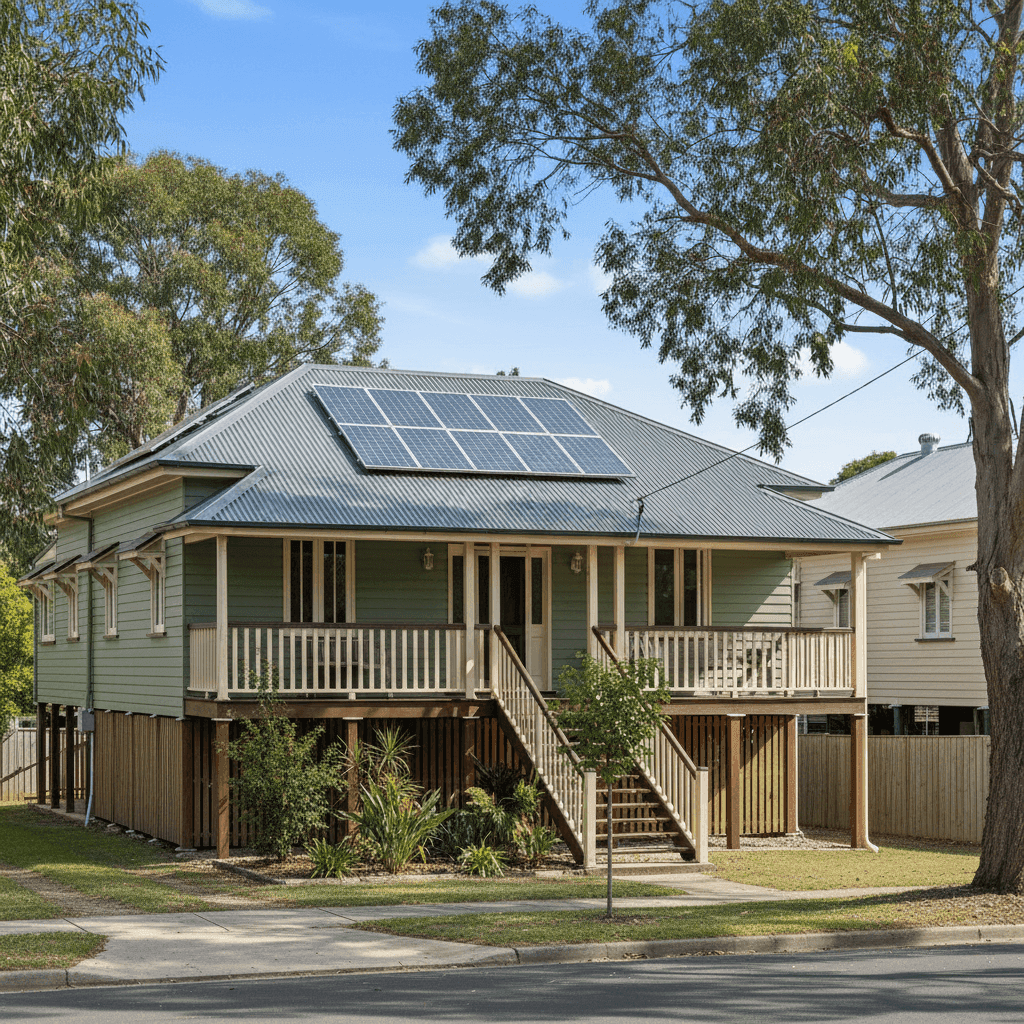
If you own a four-bedroom free standing home in Mount Rascal, QLD 4350, you're probably well aware that home insurance can be a significant household expense — particularly in Queensland, where weather events and regional risk factors push premiums higher than much of the country. This article breaks down a real home and contents insurance quote for a property in this suburb, compares it against local, state, and national benchmarks, and offers practical advice to help you get the best value for your cover.
---
Is This Quote Fair?
The quote in question comes in at $3,299 per year (or $324/month) for combined home and contents cover, with a building sum insured of $794,000 and contents valued at $90,000. The building excess sits at $3,000 and the contents excess at $1,000.
Our price rating for this quote is CHEAP — below average for the area. That's genuinely good news for the homeowner. In a state where insurance costs have been climbing steadily due to extreme weather events, flood mapping updates, and rising rebuild costs, landing a below-average premium on a well-appointed four-bedroom home is a result worth acknowledging.
To put it in perspective: the average home insurance premium across Queensland currently sits at $4,547 per year, with a state median of $3,931. This quote comes in more than $600 below the state median and over $1,200 below the state average — a meaningful saving that compounds year after year.
Against national benchmarks, the picture is a little different. The national average premium is $2,965/yr and the national median is $2,716/yr, meaning this quote is above what many Australians pay across the country. However, that comparison needs context — Queensland homeowners routinely pay more than their southern counterparts due to elevated exposure to storms, hail, and flooding, so comparing directly to national figures without accounting for regional risk can be misleading.
---
How Mount Rascal Compares
Mount Rascal sits within the Toowoomba Local Government Area (LGA), and this is where the numbers get particularly interesting. The Toowoomba LGA average premium is just $2,535 per year — notably lower than both the state average and this specific quote. This suggests that while the property's premium is competitive relative to Queensland broadly, there may still be room to shop around within the local market.
Here's a quick snapshot of how the numbers line up:
| Benchmark | Annual Premium |
|---|---|
| This Quote | $3,299 |
| Toowoomba LGA Average | $2,535 |
| QLD State Average | $4,547 |
| QLD State Median | $3,931 |
| National Average | $2,965 |
| National Median | $2,716 |
The Queensland state insurance data reflects the outsized impact of North Queensland cyclone zones and South East Queensland flood-prone suburbs on the state average. Mount Rascal, being inland and away from cyclone risk zones, benefits from a more moderate risk profile — which likely contributes to the competitive pricing on this quote.
---
Property Features That Affect Your Premium
Every home is different, and insurers weigh up a range of property characteristics when calculating your premium. Here's how the features of this particular property are likely influencing the quote:
Weatherboard timber walls are generally considered a moderate-to-higher risk construction type by insurers compared to brick veneer or full brick. Timber is more susceptible to fire spread and pest damage, which can nudge premiums upward. That said, well-maintained weatherboard homes are common across the Toowoomba region and most insurers price them accordingly.
Steel/Colorbond roofing is actually a positive from an insurance standpoint. Colorbond is durable, resistant to corrosion, and performs well in hail events — a real consideration in inland Queensland. It's also non-combustible, which can work in your favour for fire risk assessments.
Stump foundations are typical for older Queensland-style homes and homes built in areas with reactive soils. While stumps themselves aren't a major premium driver, they can influence assessments around flood and storm inundation risk, since water can flow beneath the home rather than through it. For a property built in 2002, the stumps are likely concrete or steel-adjusted, which is reassuring.
Timber and laminate flooring is a standard feature in this type of home and doesn't significantly impact insurance pricing on its own, though it does factor into contents and building replacement cost estimates.
Solar panels are worth noting. This property has solar panels installed, and while they add value to the home, they also add to the replacement cost in the event of a claim. It's important to ensure the building sum insured of $794,000 adequately accounts for the panels, their inverter, and installation costs.
At 214 sqm, this is a well-sized family home. The building sum insured of $794,000 equates to roughly $3,710 per sqm — a reasonable figure for a quality rebuild in the Toowoomba region when factoring in site costs, professional fees, and current construction pricing.
---
Tips for Homeowners in Mount Rascal
1. Review your sum insured annually Construction costs have risen sharply in recent years. A sum insured set even two or three years ago may no longer reflect the true cost of rebuilding your home. Use an independent building calculator or ask your insurer to reassess — being underinsured at claim time can be a costly mistake.
2. Consider raising your excess to reduce your premium This quote already carries a relatively high building excess of $3,000. If you're comfortable self-funding smaller claims, maintaining or slightly increasing your excess is one of the most straightforward ways to keep your annual premium in check.
3. Confirm your solar panels are covered Not all standard home insurance policies automatically cover solar panel systems to their full replacement value. Check your Product Disclosure Statement (PDS) to confirm panels, inverters, and racking are included under the building definition — and that the sum insured reflects their current replacement cost.
4. Shop around at renewal time Even with a below-average quote, loyalty doesn't always pay in insurance. Premiums can shift significantly between insurers for the same property. Using a comparison platform at renewal gives you a clear picture of whether your current insurer is still offering fair value — or whether it's time to switch.
---
Compare Your Options with CoverClub
Whether you're renewing your policy or buying cover for the first time, it pays to see what the market is offering. CoverClub makes it easy to compare home and contents insurance quotes tailored to your property and location. Get a quote today and find out if you're getting the best deal available for your Mount Rascal home.