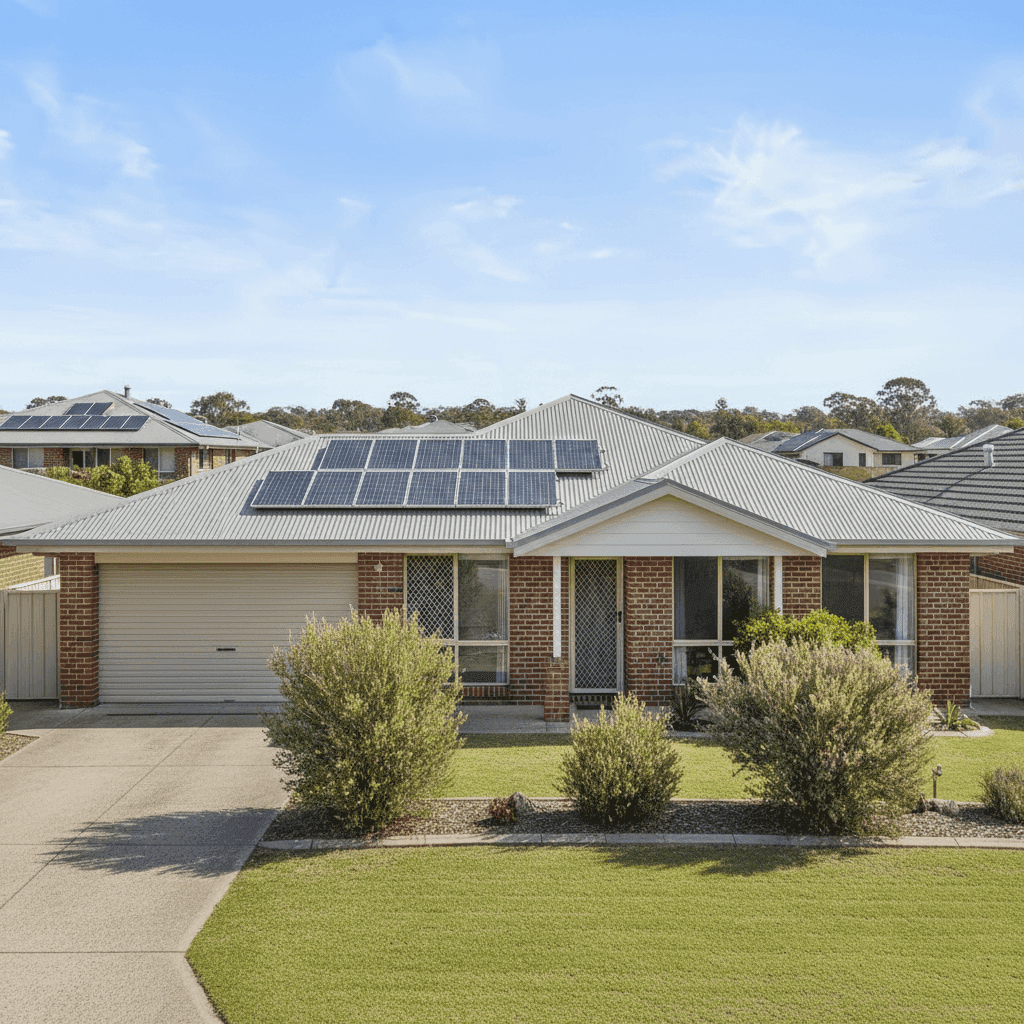
Mount Warren Park is a quiet, established suburb in the southern corridor of Greater Brisbane, sitting within the Gold Coast Local Government Area. Known for its family-friendly streets and proximity to the Logan Motorway, it attracts homeowners who value accessibility without the premium price tag of coastal suburbs. If you own a free standing home here and you're shopping around for insurance, you're likely wondering whether the quote sitting in your inbox is reasonable — or whether you're paying more than you should.
This article breaks down a real home and contents insurance quote for a 3-bedroom, 2-bathroom free standing home in Mount Warren Park (postcode 4207), and puts it under the microscope using suburb, state, and national benchmarks.
---
Is This Quote Fair?
The quote in question comes in at $3,964 per year (or $380/month) for combined home and contents cover, with a building sum insured of $477,000 and contents valued at $93,000. Both the building and contents excess are set at $1,000.
Our price rating for this quote is Expensive — Above Average.
To put that in context: the average home and contents premium across Mount Warren Park sits at $2,812 per year, with a median of $2,358. This quote lands well above both figures, and even exceeds the suburb's 75th percentile of $3,126 — meaning it's pricier than at least three-quarters of comparable quotes in the area.
That said, it's worth noting that the sum insured here is substantial. A building replacement value of $477,000 for a 139 sqm brick veneer home built in 1995 is on the higher end, and contents cover of $93,000 adds meaningful weight to the premium. Higher sums insured naturally push premiums upward, so some of the cost difference is structurally explained rather than being a sign of an overpriced policy.
Still, the gap is significant enough to warrant shopping around. You may be able to secure comparable cover for less. Compare quotes for your property at CoverClub to see what else is available.
---
How Mount Warren Park Compares
Understanding where your suburb sits relative to broader benchmarks is a useful reality check. Here's how Mount Warren Park stacks up:
| Benchmark | Average Premium | Median Premium |
|---|---|---|
| Mount Warren Park (4207) | $2,812/yr | $2,358/yr |
| Queensland | $9,129/yr | $3,903/yr |
| National | $5,347/yr | $2,764/yr |
A few things stand out here. Queensland's average premium is extraordinarily high — nearly double the national average — largely driven by cyclone-prone regions in the north of the state, where insurers price in significant natural disaster risk. Mount Warren Park, however, is not classified as a cyclone risk area, which is a meaningful advantage for local homeowners.
The suburb's median of $2,358 is actually slightly below the national median of $2,764, suggesting that Mount Warren Park is a relatively affordable place to insure a home on a like-for-like basis. The Gold Coast LGA average of $8,161 skews high due to coastal and flood-exposed properties within the broader council area, but Mount Warren Park's inland position helps keep premiums more grounded.
Explore the full data for your area on the Mount Warren Park insurance stats page, or compare it against the Queensland state overview and national insurance statistics.
---
Property Features That Affect Your Premium
Every home is different, and insurers weigh up a range of property characteristics when calculating your premium. Here's how the features of this particular home factor in:
Brick Veneer Walls Brick veneer is generally viewed favourably by insurers. It offers solid fire resistance and durability, and is one of the more common construction types in Queensland's suburban belt. It typically attracts lower premiums compared to timber-framed or weatherboard homes.
Steel / Colorbond Roof Colorbond roofing is another tick in the box. It's lightweight, low-maintenance, and performs well in storm conditions. Insurers tend to rate it positively, especially compared to older terracotta or asbestos-cement roofing materials.
Concrete Slab Foundation A slab foundation is standard for homes of this era and is generally considered stable and low-risk. It eliminates the underfloor space that can be a vulnerability in flood-prone areas.
Solar Panels This property has solar panels installed. While solar panels are increasingly common, they do add to the replacement cost of a home and can affect your building sum insured. It's important to ensure your policy explicitly covers solar panels — some standard policies include them as part of the building, while others may require a specific mention. Check your Product Disclosure Statement (PDS) carefully.
Construction Year: 1995 At roughly 30 years old, this home is well past the new-build phase but not yet considered aged. Homes of this vintage are generally well-understood by insurers, though it's worth ensuring any updates (rewiring, plumbing, roof replacement) are noted, as they can positively influence your premium.
Tile Flooring Tiled floors throughout are a practical and durable choice, particularly in Queensland's warm climate. From an insurance perspective, tiles are less susceptible to water damage than carpet or timber, which may work in your favour for contents claims.
No Pool, No Ducted Climate Control The absence of a pool removes a common liability and maintenance risk factor. Ducted air conditioning systems can be expensive to replace, so not having one keeps the building replacement cost slightly lower.
---
Tips for Homeowners in Mount Warren Park
1. Review your building sum insured annually Construction costs have risen sharply in recent years, and your building sum insured should reflect the current cost to rebuild — not the market value of your property. Use a building calculator or speak with a quantity surveyor to ensure you're not underinsured. At $477,000 for 139 sqm, this quote's sum insured equates to roughly $3,432/sqm — reasonable for a quality rebuild in today's market, but worth validating.
2. Confirm solar panel coverage in your policy With solar panels on the roof, make sure your insurer explicitly covers them under the building section of your policy. Ask whether damage from storms, hail, or fire is included, and whether the inverter (often located inside) is also covered.
3. Shop around — your suburb is competitively priced With a suburb median of just $2,358, Mount Warren Park is one of the more affordable postcodes to insure in the Gold Coast LGA. That means there's genuine competition among insurers for homes like yours. Don't accept the first quote — use a comparison platform to benchmark your options.
4. Consider your excess strategy Both the building and contents excesses on this quote are set at $1,000. Opting for a higher excess (say, $2,000) can meaningfully reduce your annual premium. If you have a solid emergency fund and your main concern is catastrophic loss rather than smaller claims, a higher excess could save you hundreds per year.
---
Ready to Find a Better Deal?
Whether you're renewing your existing policy or buying cover for the first time, comparing quotes is the single most effective way to make sure you're not overpaying. CoverClub makes it easy to see what home and contents insurance actually costs for properties like yours in Mount Warren Park.