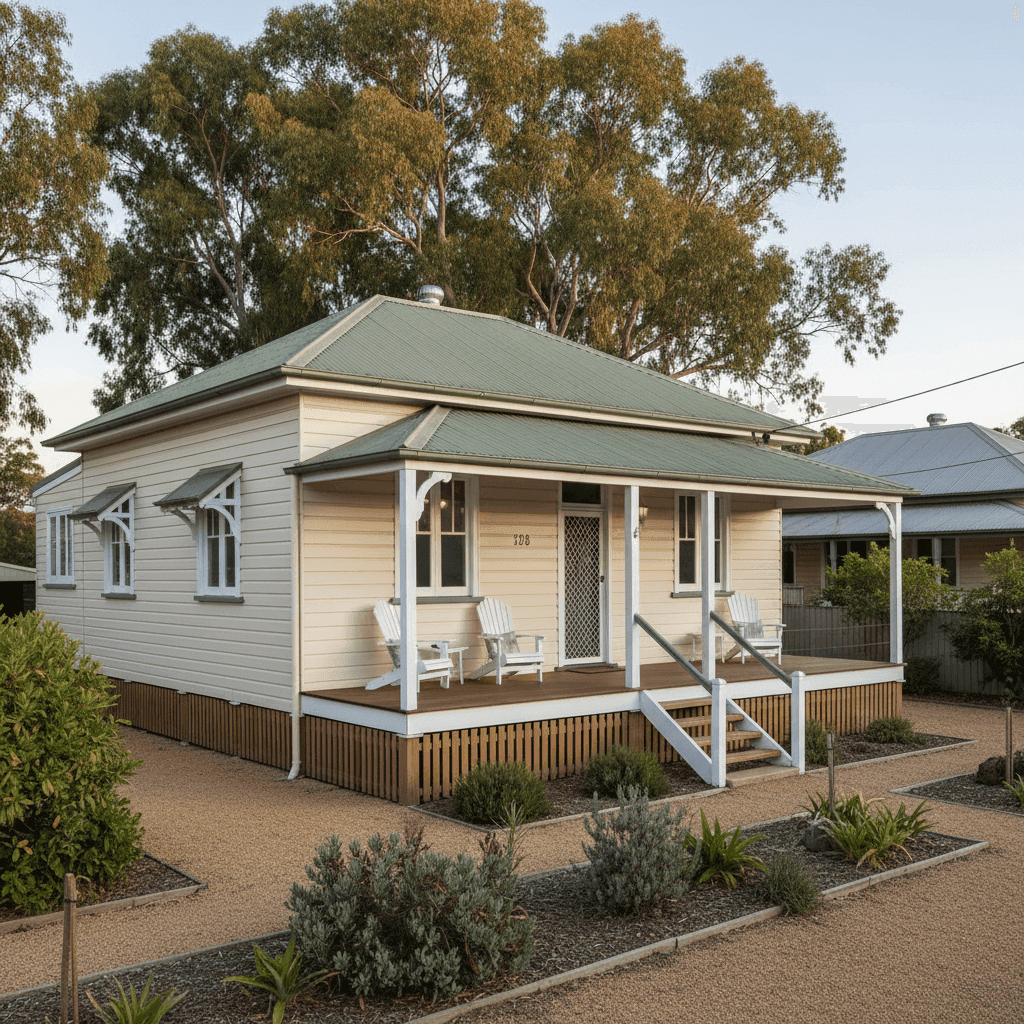
If you own a free standing home in Moura, QLD 4718, understanding what you should be paying for building insurance is a smart first step toward protecting one of your biggest assets. Moura is a small regional town in Central Queensland, and like many rural Queensland communities, home insurance costs here can vary significantly depending on the insurer, the property's characteristics, and the level of cover you choose. This article breaks down a real building-only insurance quote for a three-bedroom, two-bathroom home in the area — and puts the numbers into context so you can judge whether you're getting a fair deal.
---
Is This Quote Fair?
The quote we're analysing comes in at $1,272 per year (or $126/month) for building-only cover on a free standing home insured for $250,000, with a $1,000 excess. CoverClub's pricing engine rates this as CHEAP — below the suburb average — which is excellent news for the homeowner.
To put that in plain terms: this quote is sitting well below what most Moura residents are paying. The suburb average for building insurance in postcode 4718 sits at $3,020 per year, meaning this quote is less than half the local average. Even compared to the cheapest quarter of quotes in the area (the 25th percentile at $2,349/yr), this premium is still remarkably competitive.
For a homeowner on a tight budget or simply looking to keep ongoing costs manageable, a premium of this level represents genuine value — provided the policy terms, inclusions, and insurer reputation hold up to scrutiny. Always read the Product Disclosure Statement (PDS) carefully before committing to any policy.
---
How Moura Compares
Zooming out beyond the suburb level reveals just how wide the spread in home insurance premiums can be across Queensland and Australia. Here's how Moura's figures stack up:
| Benchmark | Annual Premium |
|---|---|
| This Quote | $1,272 |
| Moura Suburb Average | $3,020 |
| Moura Suburb Median | $2,844 |
| LGA (Woorabinda) Average | $3,020 |
| QLD State Median | $3,903 |
| QLD State Average | $9,129 |
| National Median | $2,764 |
| National Average | $5,347 |
A few things stand out from these numbers. First, the Queensland state average of $9,129 is extraordinarily high compared to the median of $3,903 — a sign that a relatively small number of very expensive properties or high-risk locations are pulling the average upward. This is common in Queensland, where cyclone-prone coastal areas and flood-affected regions can attract eye-watering premiums that skew state-wide figures.
Moura itself sits inland in the Banana Shire, away from the coastline, which helps keep premiums more grounded. The suburb median of $2,844 is actually slightly above the national median of $2,764 — suggesting that while Moura isn't a bargain market overall, it's broadly in line with what Australians pay nationally.
You can explore more detailed local data on the Moura suburb stats page, compare it against Queensland-wide insurance trends, or see how it measures up on the national stats dashboard.
> Note: The suburb sample size for this analysis is 9 quotes, which is a relatively small dataset. Averages based on limited samples can shift meaningfully as more data comes in, so treat these figures as a useful guide rather than a definitive benchmark.
---
Property Features That Affect Your Premium
Every home is different, and insurers price risk based on the specific characteristics of the property being covered. Here's how the features of this particular home are likely influencing the quote:
Weatherboard timber walls are a key factor. Timber-framed and clad homes are generally considered higher risk than brick veneer or double-brick construction because they are more susceptible to fire damage and can deteriorate faster with age. Insurers typically charge more to cover them — so finding a competitive rate on a weatherboard home is particularly noteworthy.
Construction year: 1970. At over 50 years old, this home is well into the category of an established, older dwelling. Older homes can attract higher premiums due to the potential for outdated wiring, plumbing, or structural elements that may be more expensive to repair or replace. However, a well-maintained home of this era can still attract reasonable rates.
Steel/Colorbond roof is generally viewed favourably by insurers. Colorbond is durable, low-maintenance, and performs well in the harsh Queensland climate, including during hail events and high winds. It's a positive factor in the risk assessment.
Stumped foundation (elevated less than 1 metre). This is a classic Queensland home profile — raised on stumps, which provides ventilation and some degree of flood resilience. While the elevation here is modest (under 1m), stumped homes can be more vulnerable to structural movement and pest damage over time, which insurers factor in.
Timber/laminate flooring and above-average fittings quality both point to a higher-value interior fit-out. Above-average fittings can push up the cost to rebuild or repair, which is why accurately setting your sum insured is so important. At $250,000 for building cover, it's worth verifying this figure reflects current construction costs in regional Queensland — building costs have risen sharply in recent years.
No pool, no solar panels, no ducted climate control, and no cyclone risk designation all help keep the premium lower. Each of these features, where present, adds complexity and potential liability to an insurer's risk calculation.
---
Tips for Homeowners in Moura
Whether you're reviewing an existing policy or shopping for a new one, here are four practical steps worth taking:
- Verify your sum insured regularly. Construction costs in regional Queensland have climbed significantly since the pandemic. The cost to rebuild a three-bedroom home today may be meaningfully higher than it was even two or three years ago. Use a building cost calculator or speak with a local builder to sense-check your $250,000 figure — being underinsured can be a costly mistake at claim time.
- Maintain your weatherboard exterior. Timber cladding requires regular upkeep — painting, sealing, and checking for rot or termite damage. Some insurers include clauses that can reduce or void a claim if damage is attributed to lack of maintenance. Keeping records of maintenance work is a good habit.
- Review your stump condition. Homes on stumps should have their foundations inspected periodically, especially in Central Queensland where soil movement and moisture variation can cause stumps to shift over time. A structural issue discovered at claim time could complicate your payout.
- Compare quotes at renewal. The fact that this quote came in well below the suburb average illustrates how much prices vary between insurers for the same property. Don't auto-renew without checking the market — loyalty rarely pays in the insurance world. Get a fresh quote at CoverClub to see what's available.
---
Ready to Compare?
Whether the quote above is yours or you're simply researching what home insurance costs in Moura, the best way to know if you're getting a good deal is to compare. CoverClub makes it easy to see multiple quotes side by side for your specific property — so you can make a confident, informed decision. Start your free comparison at CoverClub and find out what your home should really be costing you to insure.