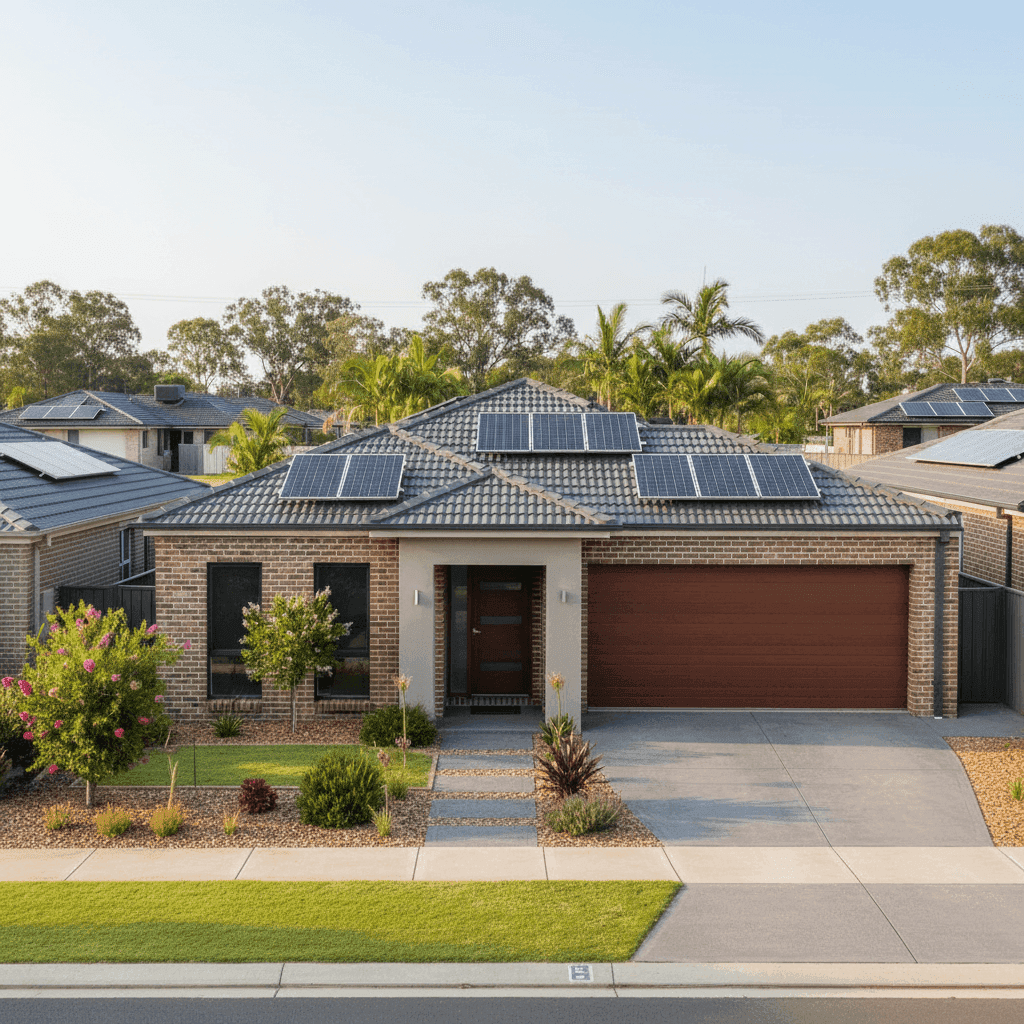
Murrumba Downs is a well-established residential suburb in the Moreton Bay region of South-East Queensland, popular with families drawn to its leafy streets, modern housing stock, and easy access to the Bruce Highway. If you own a free standing home here, understanding what you should be paying for home and contents insurance — and whether your current quote stacks up — can save you hundreds of dollars a year.
This article breaks down a real home and contents insurance quote for a four-bedroom, two-bathroom brick veneer home in Murrumba Downs (postcode 4503), built in 2015 on a concrete slab. We'll examine how the premium compares to local, state, and national benchmarks, explore the property features that influence pricing, and share practical tips for homeowners in this area.
---
Is This Quote Fair?
The quote in question comes in at $1,002 per year (or roughly $96 per month) for combined home and contents cover, with a building sum insured of $610,000 and contents valued at $55,000. The building excess is set at $4,000, and the contents excess at $1,000.
Our price rating for this quote is CHEAP — below average for the suburb. That's genuinely good news for the homeowner. Based on a sample of 25 quotes collected for Murrumba Downs, the suburb average sits at $2,592 per year and the median at $2,370 per year. Even at the 25th percentile — meaning only one in four quotes are cheaper — premiums in this suburb run to $1,949 per year. This quote, at $1,002, comes in well below that threshold.
In plain terms: this homeowner is paying less than half the typical premium for comparable cover in their suburb. That's a significant saving, and it reflects a combination of favourable property characteristics, a competitive insurer, and a higher-than-average building excess helping to reduce the base cost.
It's worth noting that the $4,000 building excess is on the higher side. A lower excess would likely push the annual premium up, so homeowners should weigh the trade-off between a cheaper day-to-day premium and their capacity to cover a larger out-of-pocket cost in the event of a claim.
---
How Murrumba Downs Compares
To put this quote in broader context, here's how Murrumba Downs premiums sit relative to wider benchmarks:
| Benchmark | Annual Premium |
|---|---|
| This Quote | $1,002 |
| Suburb Average (Murrumba Downs) | $2,592 |
| Suburb Median (Murrumba Downs) | $2,370 |
| LGA Average (Moreton Bay) | $3,435 |
| QLD State Average | $9,129 |
| QLD State Median | $3,903 |
| National Average | $5,347 |
| National Median | $2,764 |
The numbers tell a striking story. Queensland's state average of $9,129 per year is one of the highest in the country, driven largely by cyclone-prone coastal and far-north regions where insurers price in significant catastrophe risk. The state median of $3,903 is a more representative figure for the bulk of QLD homeowners, but even that is well above this quote.
Murrumba Downs itself sits in a relatively favourable risk zone compared to many parts of Queensland. Its premiums are meaningfully lower than both the QLD state average and the national average, reflecting the suburb's inland location, modern housing stock, and absence of cyclone classification. You can explore the full breakdown of local pricing data on the Murrumba Downs suburb stats page.
---
Property Features That Affect Your Premium
Several characteristics of this particular home work in the homeowner's favour when it comes to insurance pricing.
Brick veneer construction is viewed favourably by most insurers. It offers strong resistance to fire and is considered more durable than lightweight cladding materials, which typically attract higher premiums. Combined with a tiled roof, this home sits in a construction category that insurers generally price competitively.
Concrete slab foundation is standard for homes of this era in South-East Queensland and presents no unusual risk factors. Similarly, vinyl flooring is straightforward to replace and doesn't carry the premium loading that some specialty flooring materials might.
The 2015 construction year is another positive. Newer homes are built to more stringent Australian Standards, including updated bushfire and storm resilience codes. Insurers tend to reward this with lower premiums compared to older homes that may have ageing electrical systems, plumbing, or roofing.
The presence of solar panels is worth flagging. While solar panels themselves add value to a property, they also represent an additional insurable asset on the roof. Homeowners should confirm with their insurer that their solar system is explicitly included under the building sum insured — not all policies cover panels as standard, and some treat them as a separate item requiring additional cover.
The absence of a swimming pool removes one common source of liability and accidental damage claims, which can otherwise nudge premiums upward.
---
Tips for Homeowners in Murrumba Downs
1. Review your building sum insured regularly A $610,000 building sum insured is a substantial figure, and it's important this reflects the actual cost to rebuild — not the market value of the property. Construction costs in South-East Queensland have risen sharply in recent years. Underinsurance remains one of the most common problems homeowners face at claim time, so it's worth reassessing your sum insured annually or after any renovations.
2. Understand your excess before you commit The $4,000 building excess on this policy is helping to keep the premium low, but it means the homeowner would need to cover the first $4,000 of any building claim themselves. Consider whether that amount is comfortably within reach in an emergency, and compare quotes with varying excess levels to find the right balance for your financial situation.
3. Confirm solar panel coverage with your insurer As noted above, solar panels are not automatically covered under every home insurance policy. Contact your insurer directly to clarify whether your system is included, what the coverage limits are, and whether storm or hail damage to the panels is specifically addressed.
4. Shop around at renewal time The fact that this quote is well below the suburb average is a reminder that premiums vary enormously between insurers for the same property. Loyalty doesn't always pay in insurance — many providers offer their best rates to new customers. Comparing quotes annually is one of the simplest ways to avoid overpaying.
---
Compare Your Own Quote
Whether you're a first-time buyer or a long-term Murrumba Downs resident, it pays to know where your premium sits relative to the market. CoverClub makes it easy to benchmark your home insurance costs and explore competitive options in your area. Get a quote today and see how much you could save.