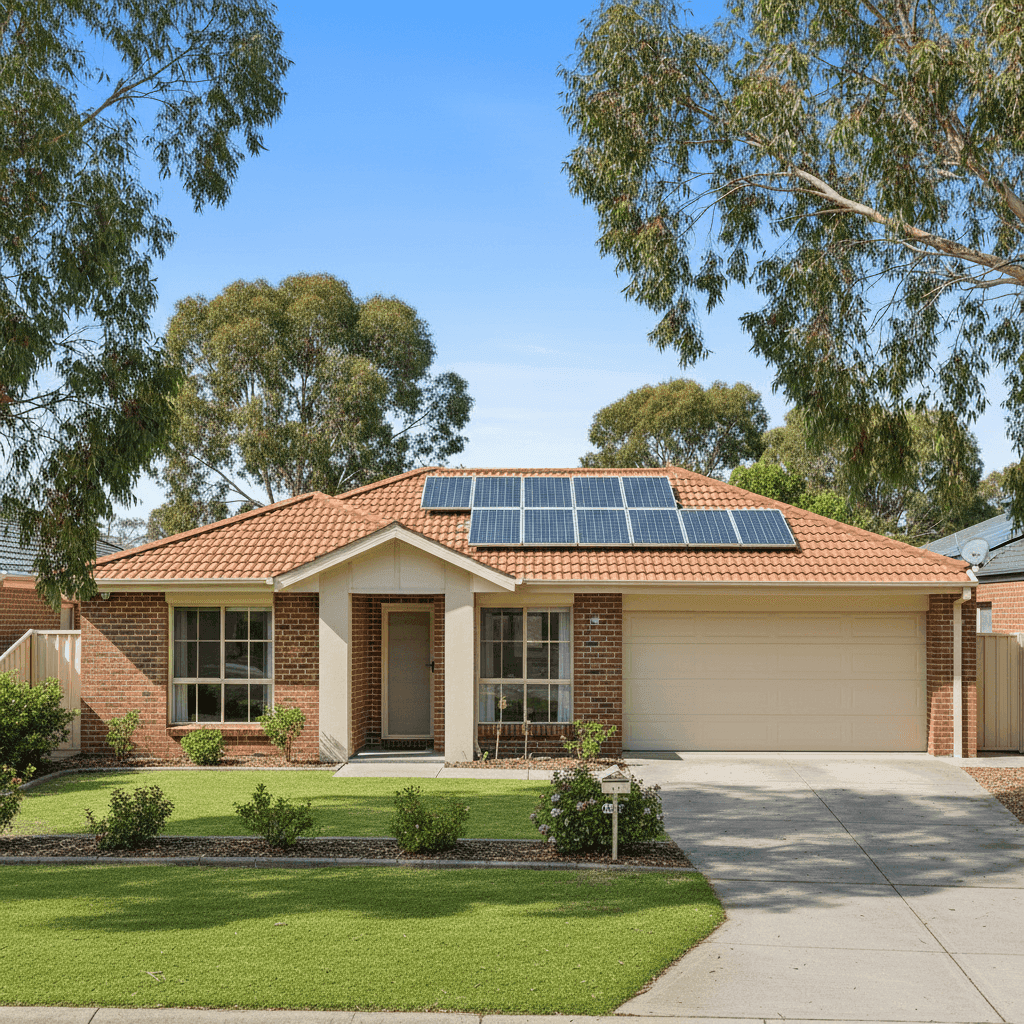
Narre Warren South is one of Melbourne's well-established outer south-eastern suburbs, sitting within the City of Casey and offering a mix of family homes, green open space, and easy freeway access. For homeowners in this part of Victoria, understanding what you should be paying for home and contents insurance — and why — can make a real difference to your household budget. In this article, we analyse a recent quote for a four-bedroom, two-bathroom free-standing home in Narre Warren South (postcode 3805) and put the numbers into context.
---
Is This Quote Fair?
The annual premium on this quote comes in at $1,938 per year (or around $186 per month), covering both building and contents. The building is insured for $833,500 and contents are covered for $70,000, with a $1,000 excess applying to both.
Our pricing analysis rates this quote as Fair — Around Average. That's a reasonable outcome, but it's worth unpacking what "average" actually means here.
Based on 53 quotes collected for Narre Warren South, the suburb's average premium sits at $2,330 per year, with a median of $2,216. This quote lands noticeably below both figures, which is a positive sign. It also falls within the interquartile range — between the 25th percentile of $1,810 and the 75th percentile of $2,710 — which means it's solidly in the mainstream of what local homeowners are paying.
In short, this isn't a bargain-basement price, but it's not inflated either. For a property of this size and specification, it represents competitive, mid-market pricing.
---
How Narre Warren South Compares
To truly appreciate where this quote sits, it helps to zoom out and look at the broader picture.
| Benchmark | Annual Premium |
|---|---|
| This Quote | $1,938 |
| Suburb Average (3805) | $2,330 |
| Suburb Median (3805) | $2,216 |
| LGA Average (Casey) | $2,142 |
| VIC State Average | $3,000 |
| VIC State Median | $2,718 |
| National Average | $5,347 |
| National Median | $2,764 |
A few things stand out from this comparison. First, Narre Warren South premiums are meaningfully lower than the Victorian state average — by roughly $670 per year at the median level. This reflects the suburb's relatively low exposure to extreme weather events such as flooding or bushfire, compared to other parts of the state.
Second, the national average of $5,347 looks startling, but it's heavily skewed by high-risk regions — particularly cyclone-prone areas of Queensland and Western Australia, and flood-affected zones across New South Wales. The national median of $2,764 is a more realistic comparison point, and this quote sits comfortably below that figure too.
For Casey LGA residents, the local average of $2,142 is the most geographically relevant benchmark, and this quote is only $128 above it — well within normal variation.
---
Property Features That Affect Your Premium
Every insurer prices a home based on its specific characteristics. Here's how the key features of this property influence the premium:
Brick Veneer Construction Brick veneer is one of the most common wall types in Australian suburban homes built in the late 1990s and 2000s. Insurers generally view it favourably — it offers solid fire resistance and durability, which can help keep premiums in check compared to timber-framed or clad homes.
Tiled Roof Terracotta or concrete tiles are a standard and well-regarded roofing choice. They're durable, fire-resistant, and widely understood by insurers, which typically translates to stable, predictable pricing.
Slab Foundation A concrete slab foundation is the norm for homes of this era in Victoria. It carries minimal additional risk in most suburban settings and doesn't attract any premium loading.
Timber and Laminate Flooring The flooring type matters more for contents and internal damage claims than for structural risk. Timber and laminate floors can be costly to repair or replace after water damage, so it's worth ensuring your contents and building sums insured account for this.
Solar Panels This property has solar panels installed, which adds a small layer of complexity for insurers — panels need to be covered against storm damage, hail, and electrical faults. Some policies include solar panels under building cover automatically; others may treat them separately. It's worth confirming your policy wording covers the full replacement value of your system.
Ducted Climate Control Ducted heating and cooling systems are a significant fixed asset. At replacement cost, these systems can run into the tens of thousands of dollars, so it's important your building sum insured reflects the cost of reinstating this infrastructure.
2004 Construction At around 20 years old, this home is mature but not aged. It's past the point of new-build premium adjustments but well within the range where standard pricing applies. Major systems like plumbing and electrical are likely original, so it may be worth budgeting for maintenance alongside your insurance coverage.
214 sqm Floor Area At 214 square metres, this is a solidly sized family home. Building sum insured calculations should factor in current construction costs per square metre, which have risen considerably in recent years. The quoted building sum of $833,500 should be reviewed periodically to ensure it still reflects realistic rebuild costs.
---
Tips for Homeowners in Narre Warren South
1. Review Your Building Sum Insured Annually Construction costs across Victoria have increased significantly since 2020. If your sum insured was set a few years ago and hasn't been updated, you may be underinsured. Use a building cost calculator or speak to a local builder to get a realistic sense of what it would cost to rebuild your home from the ground up — including demolition, professional fees, and current material costs.
2. Confirm Solar Panel Coverage With solar panels on the roof, make sure you understand exactly how your policy covers them. Ask your insurer whether panels are included in the building sum insured, whether accidental damage is covered, and what happens in the event of a hail storm or electrical fault. If your system has grown in value since installation, update your insurer accordingly.
3. Don't Set and Forget Your Contents Cover $70,000 in contents cover is a reasonable starting point, but it's easy to underestimate what you own. Factor in furniture, appliances, clothing, electronics, sporting equipment, and any valuables. A home inventory — even a simple photo record stored in the cloud — can be invaluable if you ever need to make a claim.
4. Compare Quotes at Renewal Time Insurance loyalty doesn't always pay. Premiums can shift significantly between insurers for the same property, and the market changes year to year. Even if you're happy with your current cover, it costs nothing to run a comparison before your renewal date to make sure you're still getting a competitive deal.
---
Get a Better Deal on Your Home Insurance
Whether you're reviewing an existing policy or shopping for the first time, comparing quotes is the single most effective way to ensure you're not overpaying. CoverClub makes it easy to see what multiple insurers would charge for your specific property — in minutes, not hours.
Get your personalised home insurance quote at CoverClub and see how your premium stacks up against your neighbours in Narre Warren South and across Victoria.