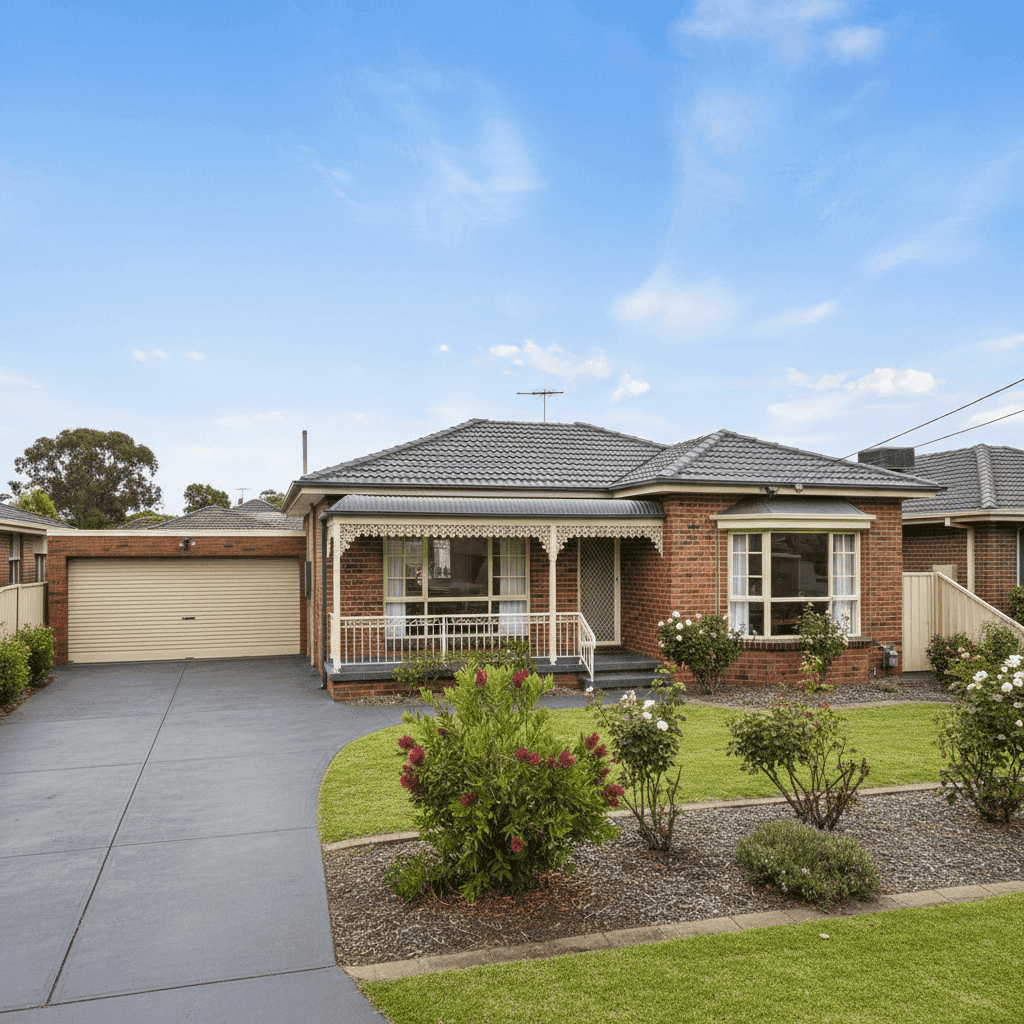
If you own a free standing home in Narre Warren, VIC 3805, you're likely curious about what a fair home insurance premium looks like for your area. Narre Warren is a well-established suburb in Melbourne's south-east, sitting within the City of Casey — one of the fastest-growing local government areas in Victoria. With a mix of brick veneer homes built across several decades, the suburb presents a fairly predictable risk profile for insurers. This article breaks down a recent building insurance quote for a 3-bedroom, 2-bathroom free standing home in the area, and puts the numbers in context so you can make a more informed decision.
---
Is This Quote Fair?
The quote in question comes in at $1,171 per year (or around $112 per month) for building-only cover, with a $1,000 building excess and a sum insured of $438,000.
Our price rating for this quote is FAIR — Around Average, and the data backs that up. Based on 62 quotes collected for Narre Warren (3805), the suburb's median premium sits at $1,438 per year, meaning this quote comes in noticeably below the midpoint. It also sits just above the 25th percentile of $1,114 — placing it in the lower-to-mid range of what locals are actually paying.
In other words, roughly three-quarters of comparable quotes in the suburb are more expensive than this one. That's a reasonably competitive result, though there may still be room to do better depending on the insurer, policy features, and any discounts you might be eligible for.
---
How Narre Warren Compares
To appreciate how this quote fits into the broader picture, it helps to zoom out.
| Benchmark | Premium |
|---|---|
| This quote | $1,171/yr |
| Narre Warren suburb average | $1,770/yr |
| Narre Warren suburb median | $1,438/yr |
| City of Casey LGA average | $2,142/yr |
| Victoria state average | $3,000/yr |
| Victoria state median | $2,718/yr |
| National average | $5,347/yr |
| National median | $2,764/yr |
The contrast is striking. This quote is 34% below the Narre Warren suburb average and sits well under the Victorian state average of $3,000 per year. Compared to the national average of $5,347, it's less than a quarter of what some Australian homeowners are paying — though it's worth noting that national figures are heavily skewed by high-risk regions such as flood-prone areas in Queensland and cyclone-affected parts of northern Australia.
The City of Casey LGA average of $2,142 per year also sits well above this quote, suggesting that properties in other parts of Casey — potentially those with higher flood or storm risk — are pulling that figure up. Narre Warren itself benefits from a relatively benign risk profile compared to some of its neighbours.
---
Property Features That Affect Your Premium
Several characteristics of this particular property influence how insurers assess and price the risk.
Brick veneer construction is generally viewed favourably by insurers. It offers solid fire resistance and structural durability, which can translate to lower premiums compared to homes with timber or lightweight cladding exteriors.
A tiled roof is another positive signal. Tiles are durable, fire-resistant, and widely used across Melbourne's south-eastern suburbs. They tend to attract lower premiums than older corrugated iron or asbestos-cement roofing materials.
Slab foundation is the standard for homes of this era and construction type in Victoria. It's well-understood by insurers and doesn't carry the same risk concerns as older stumped or pier-and-beam foundations.
Timber and laminate flooring is worth noting from a contents perspective — though this is a building-only policy, floor coverings are typically included under building cover, and these materials can be moderately expensive to replace following water damage or fire.
Ducted climate control adds to the replacement value of the home and is appropriately reflected in the sum insured. At $438,000 for a 139 sqm home built in 1993, the sum insured works out to roughly $3,150 per square metre — a reasonable estimate for a standard-quality brick veneer home in Victoria when factoring in current construction costs, inclusions, and site-specific factors.
The absence of a pool and solar panels keeps the risk profile straightforward. Both features can add complexity and cost to a home insurance policy, so their absence here is a modest premium advantage.
---
Tips for Homeowners in Narre Warren
Whether you're reviewing an existing policy or shopping around for the first time, here are a few practical steps worth considering.
1. Check your sum insured annually. Construction costs in Victoria have risen significantly in recent years. A sum insured that was adequate two or three years ago may no longer be sufficient to fully rebuild your home. Use a building cost calculator or speak with a local builder to sense-check your figure each year.
2. Consider a higher excess to reduce your premium. The $1,000 excess on this policy is fairly standard. If you have the financial buffer to cover a higher out-of-pocket cost in the event of a claim, opting for a $2,000 or $2,500 excess can meaningfully reduce your annual premium.
3. Bundle building and contents cover. This quote covers building only. If you also need contents insurance, many insurers offer a discount when you combine both policies. It's worth running the numbers to see whether a combined policy works out cheaper overall.
4. Compare quotes before renewal. Loyalty doesn't always pay in insurance. Insurers frequently offer better rates to new customers, and the market can shift significantly from year to year. Checking what's available on CoverClub before your renewal date takes only a few minutes and could save you hundreds of dollars.
---
Ready to Compare?
Whether this quote is the right fit depends on your full coverage needs, the insurer's policy terms, and what else is available in the market. At CoverClub, we make it easy to see how your quote stacks up and explore alternatives side by side. Enter your address to get started — it's free, fast, and there's no obligation. You can also explore detailed premium data for Narre Warren to see exactly what other homeowners in your suburb are paying.