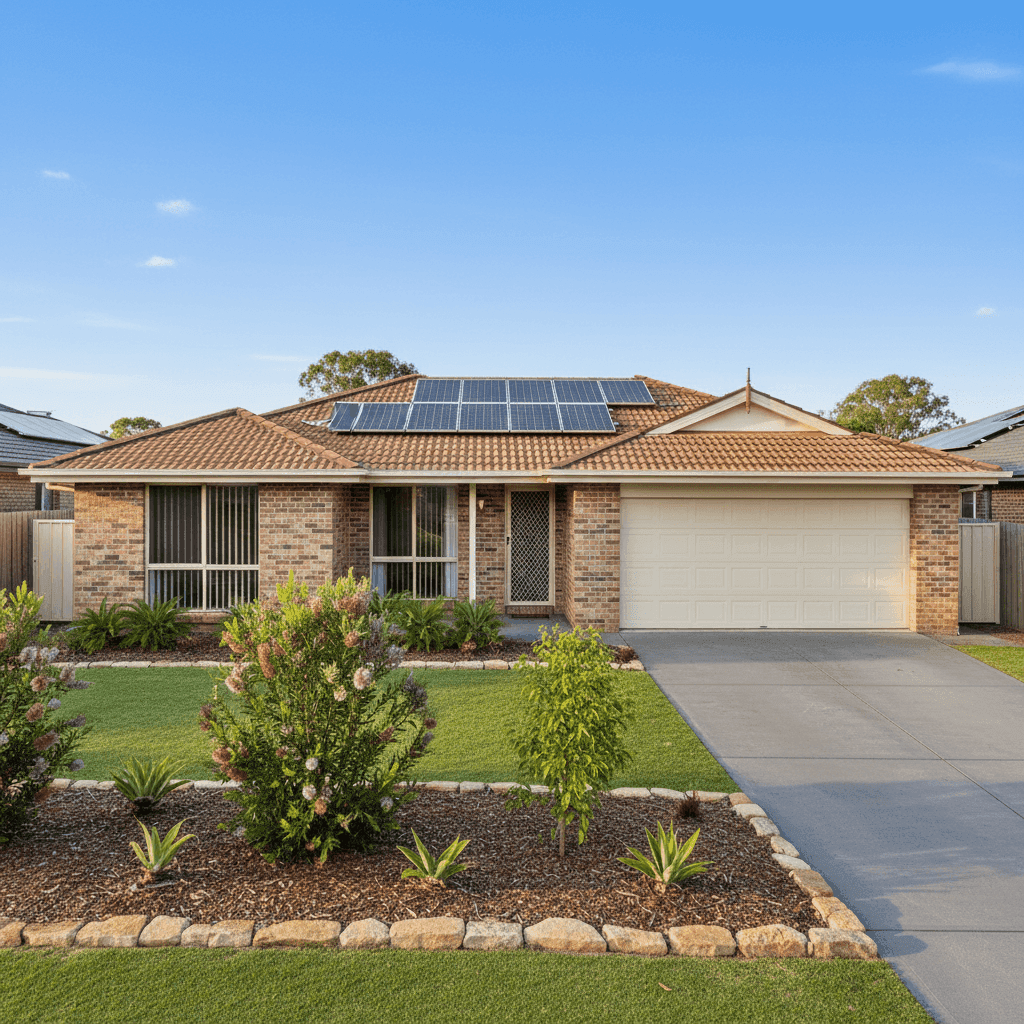
If you own a free standing home in Nerang, QLD 4211, you've probably noticed that home insurance premiums in South East Queensland can vary enormously — sometimes by thousands of dollars for seemingly similar properties. This article breaks down a real home and contents insurance quote for a three-bedroom, two-bathroom brick veneer home in Nerang, compares it against local, state, and national benchmarks, and offers practical tips to help you get the best value cover.
---
Is This Quote Fair?
The quote in question comes in at $2,268 per year (or $240/month) for combined home and contents cover, with a building sum insured of $496,000 and contents valued at $108,000. The building excess sits at $4,000, with a separate $1,000 excess for contents claims.
Our price rating for this quote is FAIR — Around Average, and the data backs that up. Within the Nerang suburb, the median premium is $3,069/yr across 67 quotes, meaning this policy is sitting comfortably below the local midpoint. The suburb average is higher again at $4,043/yr, pulled upward by some of the more expensive policies in the area.
So while "fair" might not sound like a glowing endorsement, in this context it's actually a reasonably positive outcome — the policyholder is paying less than what most Nerang homeowners are quoted. The higher building excess of $4,000 is likely contributing to the lower annual premium, which is a common trade-off worth understanding before you commit to a policy.
---
How Nerang Compares
To put this quote in proper context, it helps to zoom out and look at the broader picture. You can explore the full data on the Nerang suburb insurance stats page.
| Benchmark | Premium |
|---|---|
| This quote | $2,268/yr |
| Nerang suburb median | $3,069/yr |
| Nerang suburb average | $4,043/yr |
| Nerang 25th percentile | $1,898/yr |
| Nerang 75th percentile | $5,197/yr |
| QLD state median | $3,903/yr |
| QLD state average | $9,129/yr |
| National median | $2,764/yr |
| National average | $5,347/yr |
A few things stand out here. First, the QLD state average of $9,129/yr is dramatically higher than both the state median ($3,903) and this quote — a clear sign that Queensland's premium distribution is heavily skewed by high-risk coastal and cyclone-prone areas. Properties in Far North Queensland, for example, can attract eye-watering premiums that drag the state average upward significantly.
Second, the LGA (Scenic Rim) average of $8,744/yr is notably elevated compared to Nerang's suburb-level figures. This suggests that while Nerang sits within the broader Gold Coast hinterland region, it benefits from relatively lower risk characteristics compared to some neighbouring localities.
At $2,268/yr, this quote sits between the suburb's 25th percentile ($1,898) and the median ($3,069) — meaning roughly a quarter of Nerang homeowners are quoted less, but the majority are paying more. For a full picture of QLD home insurance costs or national benchmarks, our stats pages are a great starting point.
---
Property Features That Affect Your Premium
Insurers assess dozens of property characteristics when calculating your premium. Here's how the features of this particular home likely influence the quote:
Brick Veneer Walls Brick veneer is generally viewed favourably by insurers. It offers solid fire resistance and durability, and is one of the most common construction types in Queensland's suburban areas. Compared to timber or weatherboard homes, brick veneer typically attracts lower premiums.
Tiled Roof Terracotta or concrete tiles are considered a resilient roofing material. They perform well in hail events and are less susceptible to fire than some alternatives. This is a positive factor for premium pricing.
Slab Foundation A concrete slab foundation is standard for homes of this era (built in 1997) and is generally considered low-risk from a structural standpoint, particularly in areas without significant flood or subsidence history.
Solar Panels The presence of solar panels adds to the overall replacement cost of the home, which is reflected in the building sum insured. Insurers increasingly account for solar systems in their risk assessments, and it's important to ensure your sum insured adequately covers the cost of replacing panels — which can be substantial.
No Pool, No Ducted Climate Control The absence of a swimming pool removes a common liability and maintenance risk factor. No ducted air conditioning also means fewer mechanical systems that could fail and cause damage (such as water leaks from ducting).
Not a Cyclone Risk Area Nerang is not classified as a cyclone risk zone, which is a significant premium advantage for Queensland homeowners. Properties in cyclone-designated areas — particularly in North Queensland — can face premiums many times higher for equivalent cover.
139 sqm Building Size At 139 square metres, this is a modestly sized home. The building sum insured of $496,000 equates to roughly $3,568 per square metre for rebuild costs, which is within a reasonable range for a brick veneer home in South East Queensland when factoring in demolition, site preparation, and current construction costs.
---
Tips for Homeowners in Nerang
1. Review your sum insured regularly Construction costs in Queensland have risen sharply in recent years. A sum insured that was accurate two or three years ago may now be insufficient to fully rebuild your home. Use an independent building cost calculator or speak with a quantity surveyor to validate your figure — underinsurance is one of the most common and costly mistakes homeowners make.
2. Understand your excess trade-off This policy carries a $4,000 building excess, which is on the higher end. While it reduces your annual premium, it means you'll need to cover the first $4,000 of any building claim out of pocket. If you have a solid emergency fund, this is a reasonable trade-off — but if a $4,000 outlay would cause financial stress, consider whether a lower excess (and slightly higher premium) might suit you better.
3. Ensure your solar panels are covered Check your policy's Product Disclosure Statement (PDS) to confirm how solar panels are treated. Some policies include them automatically as part of the building; others may require separate listing or have specific exclusions. Given the cost of a solar system, this is worth clarifying before you need to make a claim.
4. Compare quotes annually Insurance premiums can shift significantly from year to year, and loyalty doesn't always pay. Shopping around at renewal time — even if you're happy with your current insurer — is one of the simplest ways to ensure you're not overpaying. Get a new quote at CoverClub to see how your current premium stacks up.
---
Compare Your Home Insurance with CoverClub
Whether you're a first-time buyer or a long-term Nerang homeowner, understanding what you're paying — and why — is the first step to smarter insurance decisions. CoverClub makes it easy to compare home and contents quotes side by side, with transparent pricing data drawn from real quotes across Australia.
Start comparing quotes today at CoverClub and find out if you could be getting better value on your home insurance.