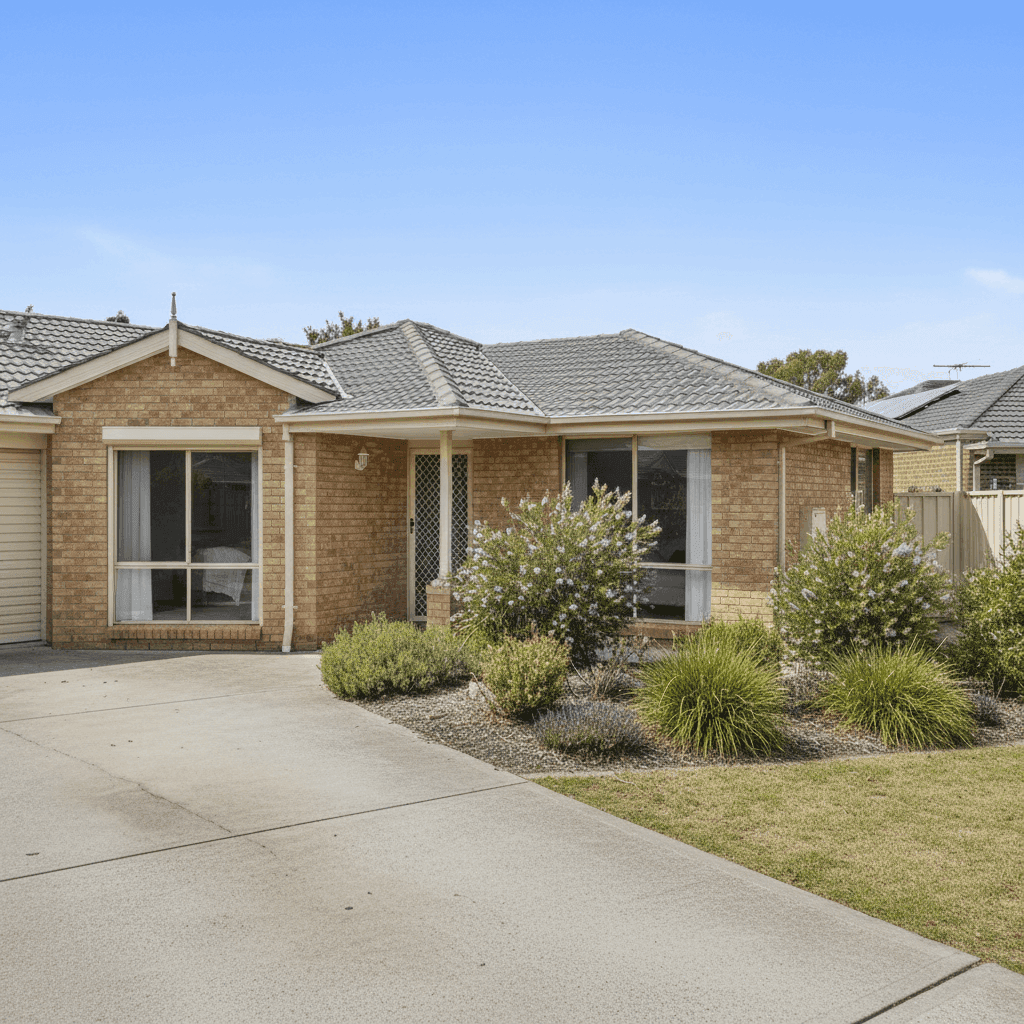
Ngunnawal is a well-established residential suburb in Canberra's north, known for its quiet streets, family-friendly atmosphere, and mix of housing styles — including the kind of brick veneer semi detached homes that have been a staple of the area since the mid-1990s. If you own a property like this and you're wondering whether your home insurance premium is reasonable, you're in the right place. This article breaks down a real quote for a 3-bedroom, 1-bathroom semi detached in Ngunnawal, and puts it in context against local, state, and national benchmarks.
---
Is This Quote Fair?
The quote in question comes in at $959 per year (or about $96/month) for combined home and contents cover, with a building sum insured of $450,000 and contents valued at $30,000. The building excess is $3,000 and the contents excess is $1,000.
Our pricing analysis rates this quote as CHEAP — below average for the area. That's a meaningful finding. Based on 47 quotes collected for Ngunnawal (postcode 2913), the suburb average sits at $1,933/year and the median at $1,964/year. This quote comes in at roughly half the suburb average — a significant saving by any measure.
Even at the 25th percentile of suburb quotes (meaning 75% of quotes are more expensive), the benchmark is $1,456/year. This premium of $959 sits well below that threshold, suggesting it's genuinely competitive — not just marginally so.
It's worth noting that a higher excess, particularly the $3,000 building excess, is one factor that can bring a premium down. Homeowners should weigh up whether that trade-off suits their financial situation — a lower premium is attractive, but you'd need to cover the first $3,000 of any building claim out of pocket.
---
How Ngunnawal Compares
To understand just how well-priced this quote is, it helps to zoom out and look at the broader picture.
| Benchmark | Annual Premium |
|---|---|
| This Quote | $959 |
| Ngunnawal Suburb Average | $1,933 |
| Ngunnawal Suburb Median | $1,964 |
| Ngunnawal 25th Percentile | $1,456 |
| ACT Average | $2,203 |
| ACT Median | $2,112 |
| LGA (Unincorporated ACT) Average | $2,352 |
| National Average | $2,965 |
| National Median | $2,716 |
Across the board, this quote tracks well below every comparison point. The ACT state average of $2,203/year is more than double this premium, and the national average of $2,965/year is more than three times the cost of this policy.
Canberra as a whole tends to attract higher premiums than many might expect — partly due to the region's exposure to bushfire risk and the relatively high rebuild costs associated with the ACT's building standards. Against that backdrop, securing a quote well under $1,000 for a combined home and contents policy is a strong result.
---
Property Features That Affect Your Premium
Several characteristics of this property work in its favour from an insurance pricing perspective.
Brick veneer construction is generally viewed favourably by insurers. It offers solid fire resistance compared to lightweight cladding materials, and it holds up well against the kind of hail events that can occasionally affect the ACT region. Combined with a tiled roof, which is durable and low-maintenance, this property presents a relatively low-risk profile structurally.
The slab foundation is a common and well-understood construction type in Australian suburban homes built from the 1990s onward. It doesn't carry the same moisture or movement risks that can affect older or more complex foundation types.
The home was built in 1995, placing it in a sweet spot for insurers — modern enough to meet reasonable building standards, but old enough that the rebuild cost is well-understood and predictable. At 130 sqm, it's a modest footprint, which helps keep the sum insured and associated premium manageable.
The ducted climate control system is worth mentioning as a feature that adds value to the property and is included within the building sum insured. While it doesn't dramatically push premiums up, it does represent a meaningful asset that would be costly to replace.
On the other hand, the absence of a pool and solar panels keeps things simple — both can add complexity to a policy and, in some cases, additional cost.
The contents value of $30,000 is on the lower end for a 3-bedroom home, which also helps keep the overall premium down. Homeowners should periodically review their contents sum to make sure it accurately reflects the value of their belongings — underinsurance is a common and costly mistake.
---
Tips for Homeowners in Ngunnawal
1. Review your contents sum insured annually $30,000 in contents cover may be sufficient for a lightly furnished home, but it's easy to underestimate the cumulative value of furniture, appliances, clothing, and electronics. Take stock of what you own and make sure your policy keeps pace — especially after major purchases.
2. Understand your excess before you claim The $3,000 building excess on this policy is higher than average. This is a common lever insurers use to reduce premiums, and it can work well if you're unlikely to make small claims. However, make sure you could comfortably cover that amount out of pocket if something went wrong.
3. Consider bushfire preparedness While Ngunnawal itself is a suburban area, the ACT has a well-documented history of bushfire risk, particularly in fringe and rural areas. Even in established suburbs, it's worth checking whether your insurer offers any bushfire-specific cover conditions, and ensuring your property is well-maintained to reduce ember risk.
4. Compare quotes at renewal time This quote is priced well below the suburb average, but insurance markets shift. Premiums can change significantly at renewal — sometimes with little notice. Using a comparison service like CoverClub at renewal time ensures you're not paying more than you need to.
---
Get a Quote for Your Ngunnawal Home
Whether you're a first-time buyer or a long-term homeowner in Ngunnawal, it pays to know what the market looks like before you commit to a policy. CoverClub makes it easy to compare home and contents insurance quotes side by side, so you can see exactly how your premium stacks up. Start your comparison today and find out if you could be paying less.