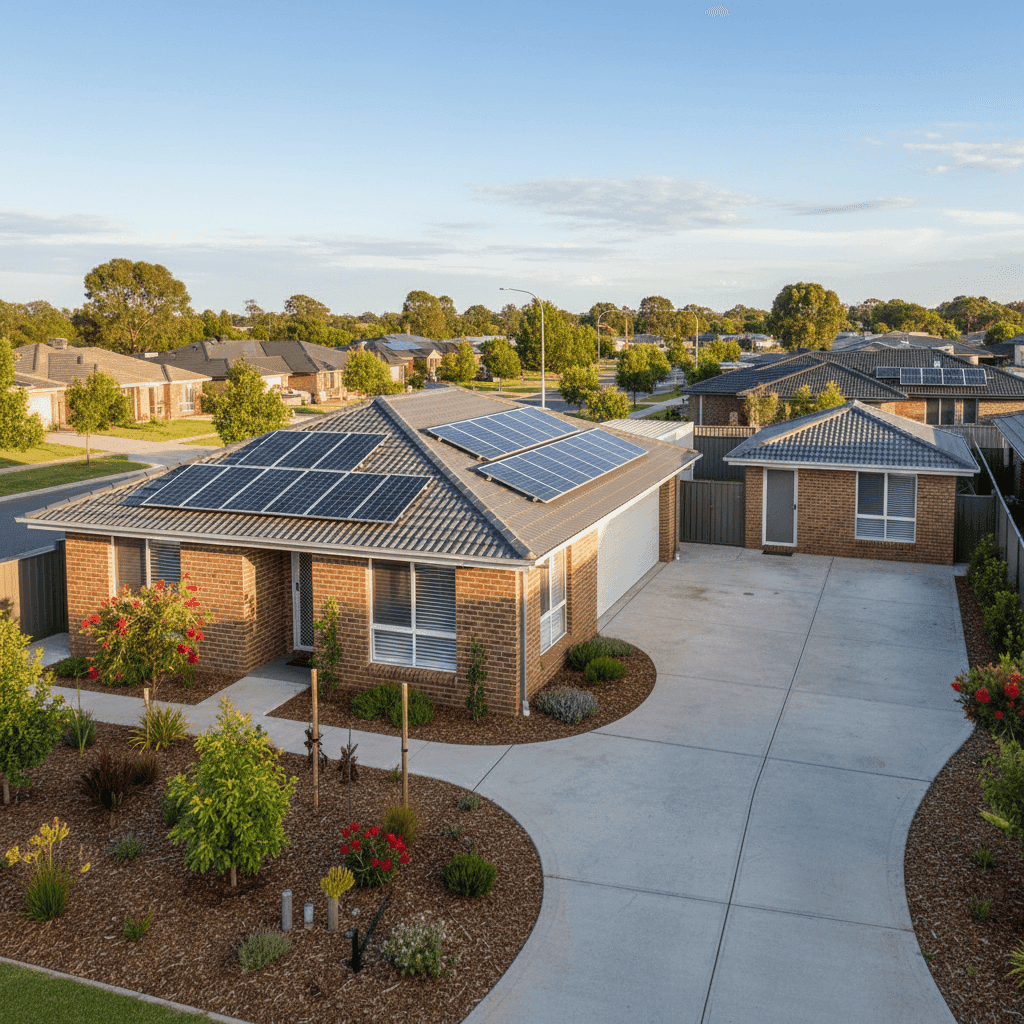
Niagara Park is a quiet, established suburb on the Central Coast of New South Wales, sitting within the postcode 2250 and offering a relaxed lifestyle within commuting distance of Sydney. For owners of free standing homes in the area, understanding what a fair home insurance premium looks like — and what drives it — can mean the difference between overpaying and getting genuine value. This article breaks down a recent building-only insurance quote for a 3-bedroom brick veneer home in Niagara Park, and puts it in context against local, state, and national benchmarks.
---
Is This Quote Fair?
The annual premium for this quote comes in at $1,924 per year (or around $208 per month), covering building-only insurance on a 3-bedroom, 1-bathroom free standing home with a sum insured of $433,000 and a building excess of $4,000.
Our price rating for this quote is FAIR — Around Average, which is a solid result for most homeowners. It's not a bargain-basement price, but it's also comfortably below what many comparable properties in the area are paying. Given the property's characteristics and location, this premium reflects a reasonable market position.
The relatively high excess of $4,000 is worth noting — this is likely one of the key levers keeping the annual premium lower than it might otherwise be. Choosing a higher excess is a legitimate strategy to reduce ongoing costs, provided you're comfortable covering that amount out of pocket in the event of a claim.
---
How Niagara Park Compares
To understand whether this quote represents good value, it helps to look at the broader market. Here's how the $1,924 annual premium stacks up:
| Benchmark | Premium |
|---|---|
| This Quote | $1,924/yr |
| Suburb 25th Percentile (Niagara Park) | $1,749/yr |
| Suburb Median (Niagara Park) | $2,176/yr |
| Suburb Average (Niagara Park) | $2,843/yr |
| Suburb 75th Percentile (Niagara Park) | $2,958/yr |
| NSW State Median | $3,770/yr |
| NSW State Average | $9,528/yr |
| National Median | $2,764/yr |
| National Average | $5,347/yr |
| Hawkesbury LGA Average | $10,350/yr |
This quote sits below the suburb median of $2,176/yr and well below the suburb average of $2,843/yr — placing it in roughly the cheaper half of quotes seen in the area. Compared to the NSW state median of $3,770/yr and the national median of $2,764/yr, this premium looks even more competitive.
It's worth pointing out that state and national averages are heavily skewed by high-risk properties — particularly those in flood zones, cyclone-prone regions, or areas with elevated bushfire exposure. The median figures are generally a more reliable comparison point for typical suburban homes. On that basis, this quote is performing well.
You can explore more local data on the Niagara Park suburb stats page, which draws on quotes from the postcode 2250 area.
> Note: The suburb sample size for this analysis is 12 quotes, which is a relatively modest dataset. As more quotes are collected for the area, these benchmarks will become increasingly precise.
---
Property Features That Affect Your Premium
Every home is different, and insurers price policies based on a wide range of property-specific factors. Here's how the key characteristics of this property are likely influencing the premium:
Brick Veneer Walls & Tiled Roof Brick veneer is one of the most common external wall types in Australian suburbia, and it's generally viewed favourably by insurers. It offers solid fire resistance and durability. Similarly, a tiled roof is considered a low-to-moderate risk profile compared to materials like Colorbond or, at the higher end, older terracotta that may be prone to cracking. Together, these construction materials likely contribute to a more competitive premium.
Slab Foundation A concrete slab foundation is standard for homes built from the 1980s onwards in NSW. It's structurally sound and doesn't carry the subsidence or moisture risks sometimes associated with older stumped or piled foundations. This is a neutral-to-positive factor for insurers.
Built in 2010 At around 15 years old, this home sits in a sweet spot — modern enough to meet contemporary building codes (which include improved fire and weather resistance standards), but not so new that replacement costs are at a premium. Newer homes often attract lower premiums than older stock.
Solar Panels The property has solar panels installed, which adds some complexity to building coverage. Solar systems are typically covered under building insurance as a fixed installation, but it's important to confirm with your insurer that the panels and associated inverter are explicitly included in your sum insured. Make sure the $433,000 building sum adequately accounts for the cost of replacing the solar system.
Granny Flat The presence of a granny flat on the property is a notable feature. Granny flats increase the total insurable area and replacement value of the property, which can push premiums higher. It's essential to ensure the sum insured reflects the full rebuild cost of both the main dwelling and the secondary dwelling. Underinsurance is a real risk when ancillary structures aren't properly accounted for.
Timber/Laminate Flooring & Standard Fittings Standard fittings and timber or laminate flooring are mid-range in terms of rebuild cost. High-end finishes (stone benchtops, custom joinery, imported tiles) can significantly increase the cost to reinstate a home after a claim. Standard fittings keep replacement costs — and therefore premiums — more manageable.
No Pool, No Ducted Climate Control, Not in a Cyclone Zone The absence of a pool and ducted air conditioning removes two common sources of additional coverage complexity. And being outside a designated cyclone risk area means this property avoids the significant premium loading applied to homes in northern Queensland and other high-risk zones.
---
Tips for Homeowners in Niagara Park
1. Review Your Sum Insured Carefully With a granny flat and solar panels on the property, there's a real risk of underinsurance if the sum insured hasn't been updated recently. Use a building cost calculator or consult a quantity surveyor to ensure $433,000 genuinely reflects the full cost to rebuild — including the secondary dwelling, solar system, and any outbuildings.
2. Consider Whether the $4,000 Excess Is Right for You A higher excess is one of the most effective ways to reduce your annual premium, but it only makes sense if you have that amount readily accessible in an emergency. If a $4,000 out-of-pocket cost would be a financial strain after a major event, it may be worth comparing quotes with a lower excess to find the right balance.
3. Shop Around at Renewal Time Insurance premiums can shift significantly from year to year, and loyalty doesn't always pay. Even if this quote is rated "fair" today, it's worth comparing at least two or three alternatives at each renewal. Get a fresh quote through CoverClub to see what else is available in the market.
4. Don't Forget Contents This policy covers building only. If you haven't arranged separate contents insurance, your furniture, appliances, clothing, and personal belongings are unprotected. For a 3-bedroom home with a granny flat, the contents value can add up quickly — a combined building and contents policy may offer better overall value.
---
Compare Your Home Insurance Today
Whether you're renewing an existing policy or shopping for the first time, comparing quotes is the single most effective way to ensure you're not overpaying. CoverClub makes it easy to see how your premium stacks up against real data from your suburb and across Australia. Start your comparison at CoverClub and find out if there's a better deal waiting for your Niagara Park home.