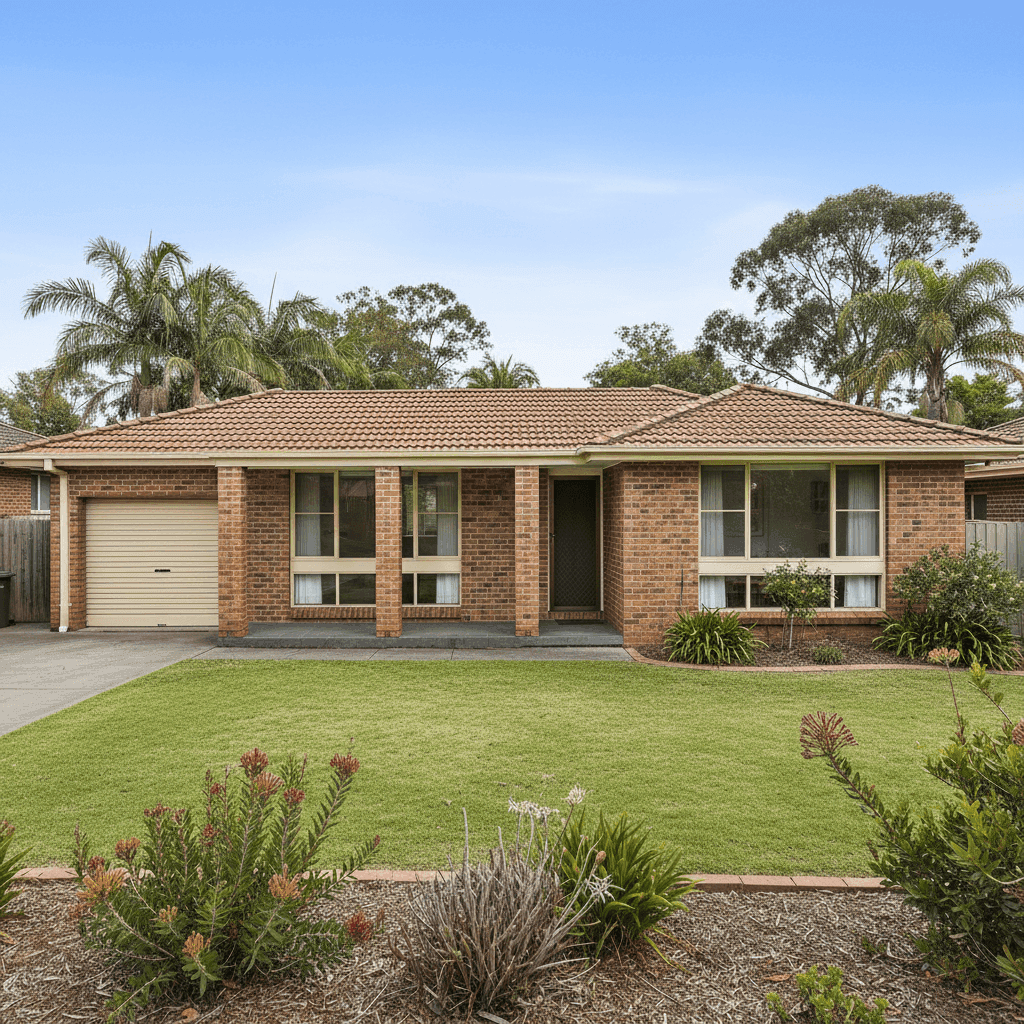
Niagara Park is a quiet, family-friendly suburb on the New South Wales Central Coast, sitting within the Gosford area of the Central Coast Council LGA. It's the kind of suburb that attracts buyers looking for solid, established homes at a reasonable price point — and as it turns out, home insurance here can be surprisingly affordable too. This article breaks down a real home and contents insurance quote for a three-bedroom free standing home in Niagara Park, compares it against state and national benchmarks, and offers practical tips to help local homeowners get the best value on their cover.
---
Is This Quote Fair?
The annual premium for this property came in at $1,593 per year (or $153 per month), covering $500,000 in building sum insured and $100,000 in contents. CoverClub's pricing algorithm rates this quote as CHEAP — below average — which is genuinely good news for the homeowner.
To put that in perspective: the NSW state average premium sits at $3,801 per year, with a median of $3,410. At $1,593, this quote comes in at less than half the state average — a significant saving of over $2,200 annually. Compared to the national average of $2,965 and a national median of $2,716, the quote still represents exceptional value, coming in roughly 46% below what Australians pay on average across the country.
For a homeowner paying monthly, that's an extra $180+ staying in their pocket each month compared to the typical NSW policyholder. Over a five-year period, the difference compounds to well over $10,000 — a compelling reason to ensure your current insurer is actually offering you a competitive rate.
---
How Niagara Park Compares
While suburb-level data for Niagara Park (postcode 2250) is still being compiled, we can draw meaningful comparisons using broader benchmarks. You can keep an eye on emerging local data at the Niagara Park suburb stats page.
| Benchmark | Annual Premium |
|---|---|
| This Quote | $1,593 |
| NSW State Average | $3,801 |
| NSW State Median | $3,410 |
| National Average | $2,965 |
| National Median | $2,716 |
| Hawkesbury LGA Average | $3,646 |
It's worth noting that the Hawkesbury LGA average of $3,646 is used here as a regional reference point, though Niagara Park itself falls under the Central Coast Council. Either way, the quote under review beats every available benchmark by a substantial margin. This suggests that the specific combination of property characteristics, construction type, and location risk profile for this home is working strongly in the homeowner's favour.
---
Property Features That Affect Your Premium
Insurance premiums aren't plucked from thin air — they're calculated based on a detailed risk profile of the property. Here's how this home's features likely contribute to its favourable pricing:
Brick Veneer Walls
Brick veneer is one of the most common and well-regarded construction types in Australia. It offers solid weather resistance and performs reasonably well in fire scenarios compared to lightweight cladding alternatives. Insurers generally view brick veneer favourably, which can translate to lower premiums.
Tiled Roof
A tiled roof is considered a durable, lower-risk roofing material. Unlike older corrugated iron or asbestos-cement roofing, tiles are associated with good longevity and resistance to weather events — another tick in the risk assessment column.
Slab Foundation
A concrete slab foundation is standard for homes of this era and is generally considered stable and low-maintenance. It avoids some of the subsidence and moisture risks that can affect older stumped or pier-and-beam foundations, which is a positive from an insurer's perspective.
Construction Era (1989)
Homes built in the late 1980s fall into a sweet spot — old enough to have solid, proven construction, but modern enough to have been built under improved building codes compared to pre-1970s homes. There are no major red flags here for an insurer.
Timber and Laminate Flooring
While timber flooring adds aesthetic and resale value, it can be more susceptible to water damage than tiles. However, with a contents excess of $1,000 and building excess of $2,000, the policy structure seems well-calibrated to the risk.
No Pool, Solar Panels, or Ducted Climate Control
The absence of a swimming pool removes a significant liability risk. No solar panels means no additional coverage complexity for rooftop systems. And without ducted air conditioning, there's one fewer mechanical system that could fail and cause water or structural damage. Each of these "no" answers quietly reduces the risk profile — and the premium.
---
Tips for Homeowners in Niagara Park
Whether you're reviewing an existing policy or shopping for the first time, here are four practical steps to make sure you're getting the right cover at the right price.
1. Don't Underinsure Your Building
$500,000 in building cover for a 130 sqm home works out to roughly $3,846 per square metre — a reasonable figure for NSW, but worth revisiting annually. Construction costs have risen sharply in recent years, and underinsurance is one of the most common and costly mistakes homeowners make. Use a building calculator or speak to a quantity surveyor if you're unsure.
2. Review Your Contents Sum Insured
$100,000 in contents cover is a solid starting point, but it's easy to underestimate what you own. Do a room-by-room audit — electronics, appliances, furniture, clothing, jewellery, and tools all add up quickly. Many Australians are surprised to find their actual contents value exceeds their insured amount.
3. Compare Quotes Annually
Loyalty doesn't always pay in insurance. Premiums can shift significantly from year to year, and insurers often offer better rates to new customers than to existing ones. Using a comparison platform like CoverClub makes it easy to see what else is available without spending hours on the phone.
4. Consider Your Excess Strategically
This policy carries a $2,000 building excess and a $1,000 contents excess. A higher excess generally means a lower premium — but make sure you could comfortably cover that amount out of pocket in the event of a claim. If cash flow is tight, a lower excess (with a slightly higher premium) might offer better peace of mind.
---
Ready to Compare Your Home Insurance?
Whether you're a Niagara Park local or anywhere else in Australia, CoverClub makes it simple to see how your current premium stacks up — and find better options if it doesn't. Get a home insurance quote today and find out if you're paying a fair price for your cover. With the right information, you might be surprised at what's available.