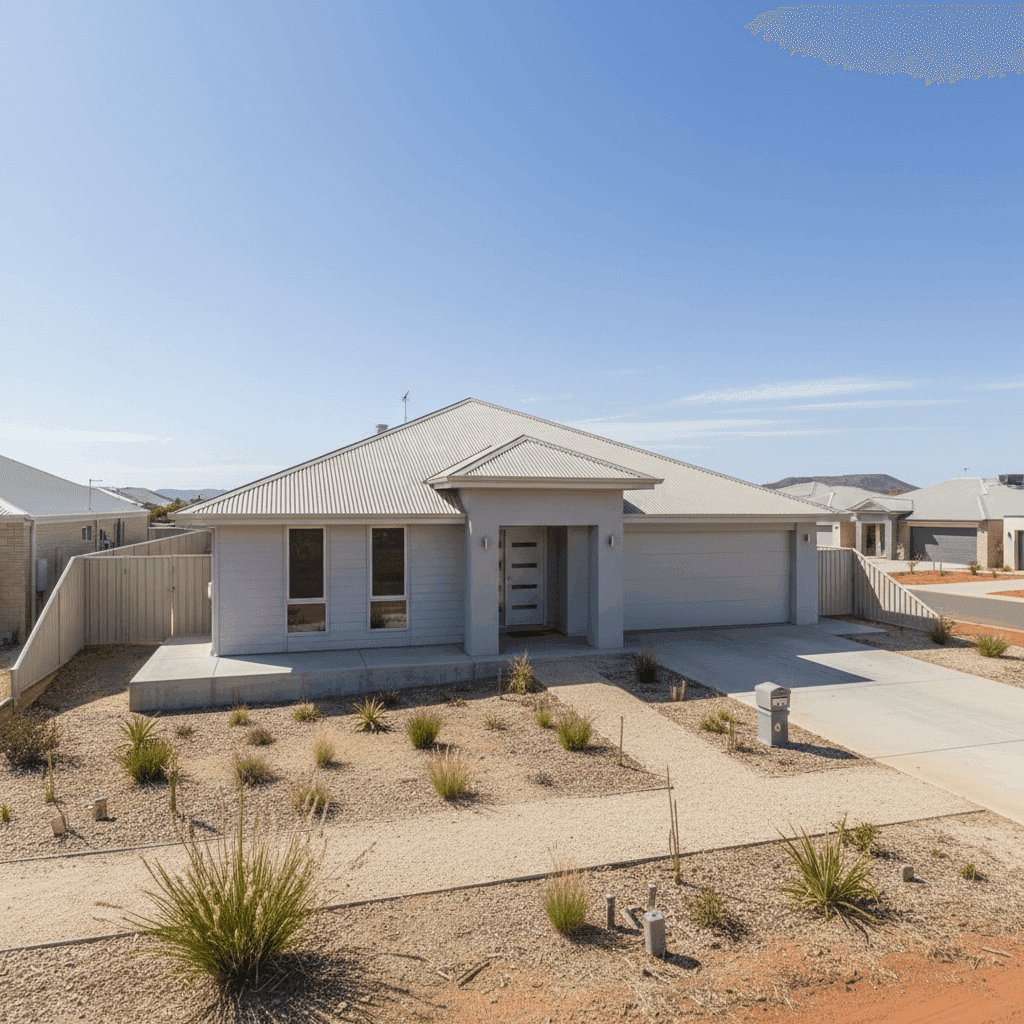
If you own a free standing home in Nickol, WA 6714, you already know that insuring a property in the Pilbara comes with its own set of challenges — and costs. This article breaks down a real home and contents insurance quote for a four-bedroom, two-bathroom property in Nickol, examining whether the premium is reasonable, how it stacks up against local and national benchmarks, and what you can do to manage your insurance costs.
---
Is This Quote Fair?
The quote in question sits at $9,855 per year (or $944/month) for combined home and contents cover, with a building sum insured of $1,103,000 and contents valued at $57,000. Both the building and contents excess are set at $1,000.
Our price rating for this quote is Expensive — Above Average.
To put that in context: the average home and contents premium across Nickol is $6,023 per year, and the median sits at $5,007. This quote comes in at roughly 64% above the suburb average and nearly double the suburb median. Even when compared to the 75th percentile of local quotes ($6,942/yr), this premium is noticeably higher.
That said, there are legitimate reasons a premium can sit above the local average — particularly in a region like Nickol, where cyclone risk is a significant underwriting factor. The building sum insured of $1,103,000 is also on the higher end, which directly influences the cost of cover. Insurers price for the worst-case scenario, and in a cyclone-prone area, rebuilding costs are treated very seriously.
---
How Nickol Compares
Understanding where Nickol sits in the broader insurance landscape helps put this quote in perspective. You can explore the full data on the Nickol suburb stats page.
| Benchmark | Annual Premium |
|---|---|
| This Quote | $9,855 |
| Nickol Suburb Average | $6,023 |
| Nickol Suburb Median | $5,007 |
| Karratha LGA Average | $10,438 |
| WA State Average | $2,144 |
| National Average | $2,965 |
A few things stand out here. First, the Karratha LGA average of $10,438 is actually higher than this quote — which suggests that, within the broader local government area, this premium isn't unusually high. Properties across the Karratha region are consistently expensive to insure, driven largely by cyclone exposure and the elevated cost of construction and labour in remote WA.
Second, the gap between Nickol's averages and the WA state average of $2,144 is striking. Nickol homeowners are paying roughly three times what the average Western Australian pays for home insurance. And compared to the national average of $2,965, the difference is even more pronounced.
This isn't unusual for high-risk regional areas — but it does underscore the importance of shopping around and understanding exactly what's driving your premium.
> Note: The suburb sample size for Nickol is 8 quotes, so local averages should be interpreted as a guide rather than a definitive benchmark.
---
Property Features That Affect Your Premium
Several characteristics of this property have a direct bearing on the cost of cover.
Cyclone Risk Zone
This is the single biggest factor. Nickol falls within a designated cyclone risk area, which means insurers apply significantly higher risk loadings to account for the potential for catastrophic wind and storm damage. Cyclone-rated construction requirements, the cost of post-event repairs, and the frequency of severe weather events in the Pilbara all feed into this loading.
Hardiplank/Hardiflex External Walls
Fibre cement cladding like Hardiplank and Hardiflex is a popular choice in WA — it's durable, low-maintenance, and performs reasonably well in harsh climates. From an insurance perspective, it's generally viewed more favourably than timber weatherboards, though it doesn't carry quite the same resilience rating as brick veneer or double brick in extreme wind events.
Steel/Colorbond Roof
Colorbond roofing is widely used across regional WA and is well-regarded for its durability and resistance to corrosion. In cyclone-prone areas, the quality of roof fixings and the roof-to-wall connections matter enormously — insurers are aware of this, and a well-maintained Colorbond roof on a post-2000 build is generally a positive underwriting signal.
Construction Year: 2010
Homes built after 1990 in WA's cyclone-affected regions are typically subject to more stringent building codes, including higher wind-load requirements. A 2010 build benefits from these modern standards, which can help moderate the cyclone risk loading compared to older properties.
Building Size and Sum Insured
At 214 sqm and a building sum insured of $1,103,000, the replacement cost estimate is substantial. In remote WA, construction and labour costs are considerably higher than in metropolitan areas, so a high sum insured is not unusual — and underinsuring in this region would be a costly mistake.
Slab Foundation and Tile Flooring
A concrete slab foundation is standard in WA and poses minimal additional risk. Tiled flooring throughout is practical in the Pilbara climate and is straightforward to replace compared to timber or carpet, which can be an advantage in a flood or water damage claim.
---
Tips for Homeowners in Nickol
1. Review Your Building Sum Insured Carefully
With a sum insured of over $1 million, it's worth verifying this figure with a qualified quantity surveyor or using an independent building cost calculator. Overinsuring pushes your premium up unnecessarily, while underinsuring can leave you severely out of pocket after a major claim. In regional WA, construction costs can shift significantly year to year.
2. Compare Multiple Insurers
Not all insurers price cyclone risk the same way. Some have more appetite for Pilbara properties than others, and premiums can vary dramatically between providers for the same property. Use a comparison tool like CoverClub to see quotes side by side and identify whether you're paying a fair rate.
3. Check Your Cyclone Preparedness Discounts
Some insurers offer premium reductions for properties with cyclone-rated shutters, reinforced garage doors, or other storm-mitigation features. If your home has any of these, make sure your insurer knows — it could make a meaningful difference to your annual cost.
4. Consider Your Excess Level
This quote carries a $1,000 excess on both building and contents. Opting for a higher excess — say, $2,500 or $5,000 — can reduce your annual premium noticeably. Just make sure the excess is an amount you could comfortably cover out of pocket in the event of a claim.
---
Ready to Find a Better Deal?
Whether this quote is the right fit or you're looking to see what else is out there, comparing your options is always a smart move. At CoverClub, we make it easy to compare home and contents insurance quotes from multiple providers — so you can be confident you're getting the right cover at a fair price.