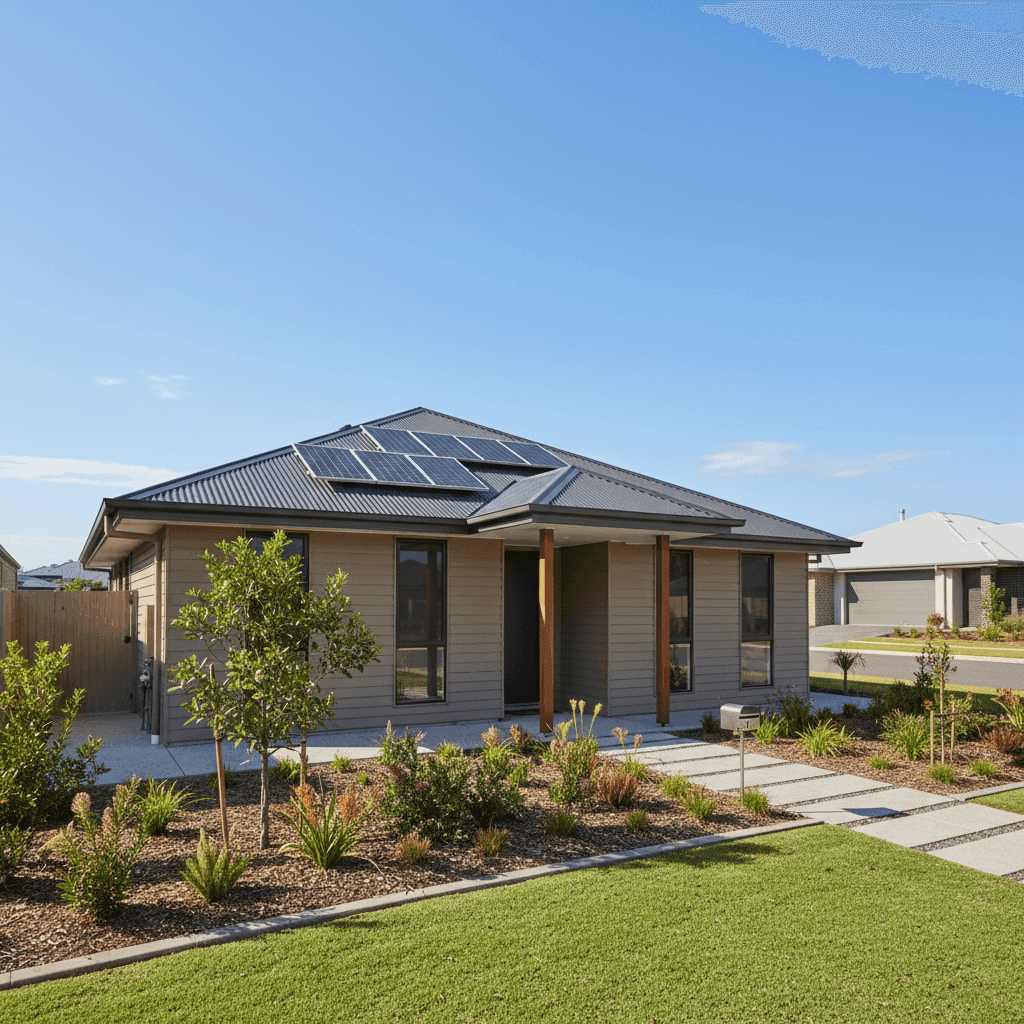
Nikenbah is a quiet residential suburb sitting just inland from Hervey Bay in Queensland's Wide Bay region. It's an area that's been attracting new builds in recent years, and this particular property — a two-bedroom, two-bathroom free standing home constructed in 2024 — is a great example of what modern residential development looks like out here. But when it comes to insuring a brand-new home, the premium can sometimes raise eyebrows. At $6,031 per year (or $571 per month) for combined home and contents cover, this quote sits firmly in the expensive category. Let's unpack why.
---
Is This Quote Fair?
The short answer: it's on the higher end — noticeably so. Based on data from 84 quotes collected for Nikenbah (postcode 4655), the suburb average premium is $3,564 per year, and the median sits considerably lower at $2,531 per year. This quote of $6,031 lands well above the suburb's 75th percentile of $4,839 — meaning it's more expensive than roughly three-quarters of comparable quotes in the area.
Zooming out to the state level, the Queensland average home insurance premium is $4,547 per year, with a median of $3,931. Even by Queensland standards — which are already elevated compared to the rest of the country due to weather risk — this quote is above average.
Against the national average of $2,965 per year, the premium is more than double. That said, direct comparisons to the national figure need to be taken with some context: Queensland properties generally carry higher premiums than those in southern states, reflecting the elevated risk of extreme weather events like flooding, hailstorms, and tropical cyclones.
So while the quote isn't completely out of left field for a high-value Queensland property, it does warrant some scrutiny — and there may well be room to find a more competitive rate.
---
How Nikenbah Compares
Here's a snapshot of how this quote stacks up across different benchmarks:
| Benchmark | Annual Premium |
|---|---|
| This Quote | $6,031 |
| Nikenbah Suburb Average | $3,564 |
| Nikenbah Suburb Median | $2,531 |
| Nikenbah 75th Percentile | $4,839 |
| QLD State Average | $4,547 |
| QLD State Median | $3,931 |
| National Average | $2,965 |
| National Median | $2,716 |
At $6,031, this premium is 69% above the suburb average and more than double the suburb median. Even relative to the Queensland state average, it's around 33% higher. These are meaningful differences that suggest the specific property characteristics — rather than location alone — are doing a lot of the heavy lifting in pushing the premium up.
---
Property Features That Affect Your Premium
Several features of this property are likely contributing to the elevated cost of cover. Here's what insurers are probably paying close attention to:
High Building Sum Insured ($800,000)
This is arguably the single biggest driver of the premium. An $800,000 sum insured for a two-bedroom home is substantial, and insurers price proportionally to the rebuild cost they're on the hook for. If this figure has been estimated rather than professionally assessed, it's worth double-checking — over-insuring is a common and costly mistake.
Weatherboard Timber Construction
Weatherboard wood external walls are generally considered a higher-risk construction type compared to brick or rendered masonry. Timber is more susceptible to fire, termite damage, and general deterioration, which insurers factor into their risk assessments. This can have a meaningful impact on premiums.
New Build (2024)
Interestingly, brand-new homes can sometimes attract slightly higher premiums because the full replacement cost is well-established and high. Insurers know exactly what it would cost to rebuild a 2024 home to current standards, including modern materials and labour costs.
Above-Average Fittings Quality
Above-average fittings — think stone benchtops, quality appliances, premium fixtures — increase the rebuild cost and also signal a higher contents value. Combined with a $70,000 contents sum insured, this pushes the overall risk profile upward.
Solar Panels
Solar panels add value to a property but also add complexity to an insurance claim. Panels need to be covered against storm damage, hail, and electrical faults, which contributes modestly to the premium.
Ducted Climate Control
Ducted air conditioning systems are expensive to replace and can be a source of claims, particularly in Queensland's harsh summers. Their inclusion in the policy scope adds to the overall insured value.
Timber/Laminate Flooring
Timber and laminate floors are more expensive to repair or replace than carpet, particularly after water damage — a common claim type in Queensland. This is another small but real factor in the premium calculation.
---
Tips for Homeowners in Nikenbah
If you're looking to get better value on your home and contents insurance, here are some practical steps worth considering:
1. Review Your Sum Insured
An $800,000 building sum insured is significant for a two-bedroom home. Consider getting a professional building replacement cost assessment to ensure you're not over-insured. Reducing an inflated sum insured — while still maintaining adequate cover — can lead to meaningful premium savings without leaving you exposed.
2. Compare Multiple Quotes
The spread of premiums in Nikenbah is wide — from $1,370 at the 25th percentile all the way to $4,839 at the 75th. That's a huge range, which tells you that different insurers are pricing this suburb very differently. Shopping around is genuinely worthwhile here. Get a comparison quote at CoverClub to see what else is on the market.
3. Consider a Higher Excess
Both the building and contents excess on this policy are set at $1,000. Opting for a higher voluntary excess — say $2,000 or $2,500 — can reduce your annual premium, sometimes quite substantially. Just make sure you're comfortable covering that amount out of pocket in the event of a claim.
4. Ask About Discounts for Security and Safety Features
Some insurers offer discounts for properties with smoke alarms, deadbolts, security systems, or monitored alarms. As a new build, this home likely already has modern safety features installed — make sure your insurer knows about them and that you're receiving any applicable discounts.
---
Ready to Find a Better Deal?
Whether you're renewing an existing policy or shopping for cover on a new property, comparing quotes is the most effective way to ensure you're not overpaying. CoverClub makes it easy to see how your premium stacks up and explore alternatives — start your comparison here. You can also explore Nikenbah insurance data, Queensland-wide trends, and national benchmarks to get a fuller picture of what Australians are paying for home cover.