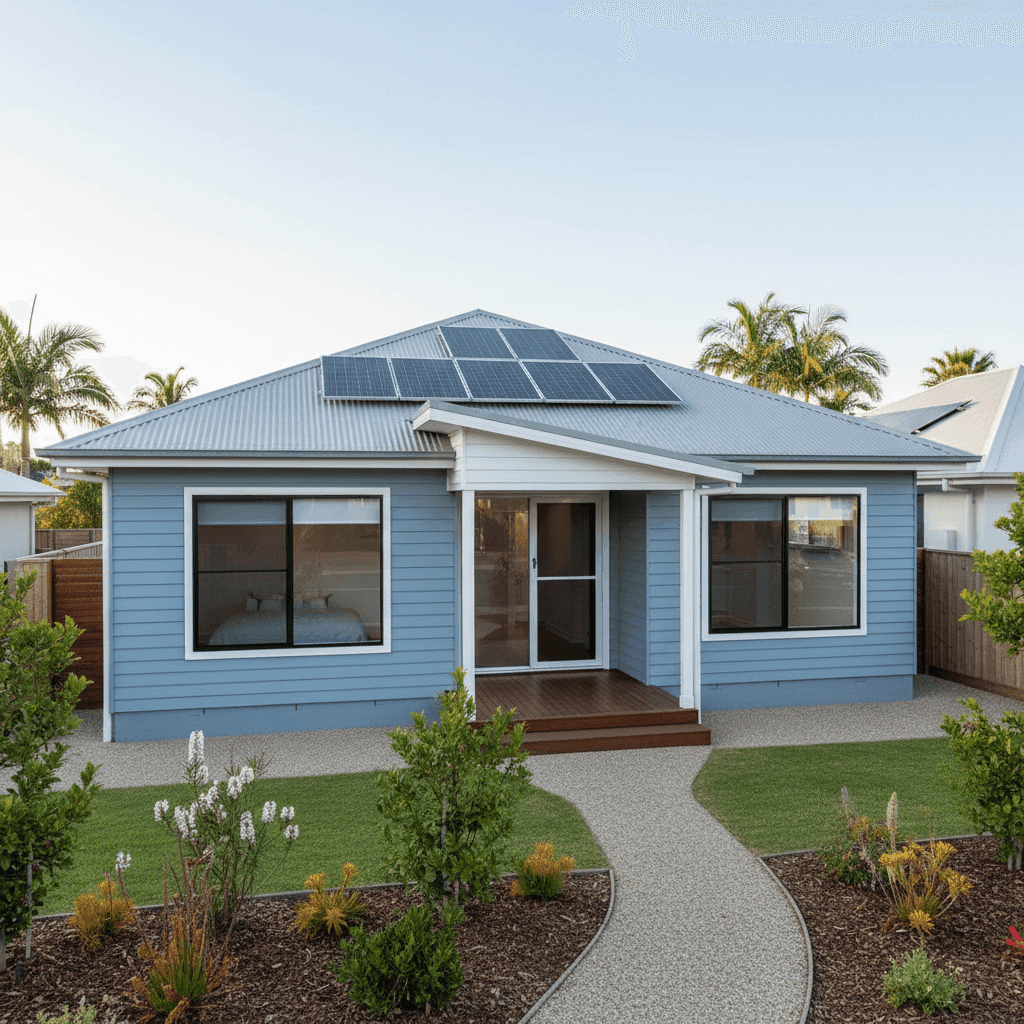
Nikenbah is a quiet residential locality in the Fraser Coast region of Queensland, sitting just inland from Hervey Bay. It's an area that's attracting new builds and growing families — and with that comes the important question of how much home insurance should actually cost. This article breaks down a real home and contents insurance quote for a 2-bedroom, 2-bathroom free standing home in Nikenbah (postcode 4655), and puts the numbers in context so you can make a more informed decision.
---
Is This Quote Fair?
The quote in question comes in at $7,032 per year (or $703/month) for a combined home and contents policy, with a building sum insured of $625,000 and contents valued at $15,000. The building excess is $2,000 and the contents excess is $1,000.
Our price rating for this quote is Expensive — Above Average.
To put that in perspective: the average home and contents premium across Nikenbah and the surrounding postcode sits at $3,564 per year, with a median of just $2,531. That means this quote is nearly double the local average and almost three times the suburb median. Even when measured against the 75th percentile of local quotes ($4,839/yr), this premium still comes in significantly higher.
At the state level, the Queensland average premium is $4,547/yr, with a median of $3,931. Nationally, the average Australian home insurance premium sits at $2,965/yr (median: $2,716). On every benchmark — local, state, and national — this quote is above the norm.
That said, there are legitimate reasons a premium might sit at this level, and it's worth understanding what's driving the cost before assuming you're being overcharged.
---
How Nikenbah Compares
Based on 84 quotes collected for the Nikenbah area, here's how the local market stacks up:
| Benchmark | Premium |
|---|---|
| This Quote | $7,032/yr |
| Suburb Average | $3,564/yr |
| Suburb Median | $2,531/yr |
| Suburb 25th Percentile | $1,370/yr |
| Suburb 75th Percentile | $4,839/yr |
| QLD State Average | $4,547/yr |
| QLD State Median | $3,931/yr |
| National Average | $2,965/yr |
| National Median | $2,716/yr |
The wide spread between the 25th percentile ($1,370) and the 75th percentile ($4,839) tells an interesting story — premiums in this postcode vary enormously depending on the property, insurer, and level of cover. A $7,032 quote landing above even the top quartile suggests that specific property characteristics or the chosen insurer's pricing model are playing a significant role here.
Queensland as a whole tends to attract higher premiums than the national average, largely due to weather-related risks — storms, flooding, and cyclones are all more prevalent in this state. Even so, this quote exceeds the Queensland average by more than $2,400 per year.
---
Property Features That Affect Your Premium
Several features of this property are likely influencing the premium, both upward and downward.
Weatherboard Wood External Walls
Timber weatherboard is a classic Australian building material, but it does carry a higher fire and moisture risk compared to brick or rendered concrete. Insurers typically price weatherboard homes at a higher rate, and this is likely one of the more significant factors pushing this premium above average.
Steel / Colorbond Roof
Colorbond roofing is generally viewed favourably by insurers — it's durable, lightweight, and performs well in high-wind and hail events. This may offer a modest offset to the weatherboard wall loading.
New Construction (2025 Build)
Brand new homes often attract more competitive premiums due to their compliance with current building codes, modern electrical systems, and reduced likelihood of pre-existing structural issues. However, a high sum insured of $625,000 on a new build will naturally anchor the premium at a higher level regardless of the build quality.
Concrete Slab Foundation
Slab foundations are standard in Queensland and are generally well-regarded by insurers. They reduce the risk of subsidence and pest-related structural damage compared to raised timber stumps.
Timber / Laminate Flooring
Timber and laminate floors can be costly to repair or replace following water damage, which may nudge contents and building premiums slightly higher.
Solar Panels
Solar panels are an increasingly common feature on Australian homes, but they do add replacement cost to the building sum insured. Most insurers cover rooftop solar as part of the building policy, and the panels themselves represent a meaningful asset to protect.
Ducted Climate Control
Ducted air conditioning systems are expensive to install and repair. Their inclusion in the building's fixtures and fittings adds to the overall replacement cost, which is reflected in a higher sum insured — and therefore a higher premium.
No Pool, Not in a Cyclone Risk Zone
The absence of a pool removes one liability risk factor, and the property not being classified as a cyclone risk area is a meaningful positive — cyclone premiums in northern Queensland can be eye-watering. Nikenbah's location keeps it outside the highest-risk zones.
---
Tips for Homeowners in Nikenbah
If you're looking at a quote in this range, here are some practical steps to consider:
- Shop around — seriously. A premium this far above the suburb average is a strong signal that comparing quotes from multiple insurers could yield significant savings. Use CoverClub's quote comparison tool to see what other providers are offering for your specific property.
- Review your sum insured carefully. At $625,000, the building sum insured is substantial for a 2-bedroom home. Make sure this figure reflects the actual rebuild cost (not the market value) of your property. Overinsuring can inflate your premium unnecessarily, while underinsuring leaves you exposed. A quantity surveyor can provide an accurate rebuild estimate.
- Consider a higher excess. The building excess on this policy is $2,000. Opting for a higher voluntary excess can reduce your annual premium — just make sure you could comfortably cover that amount out of pocket if you needed to make a claim.
- Ask about discounts for new homes and security features. Many insurers offer reduced premiums for newly built homes or properties with monitored alarm systems. It's always worth asking what discounts apply, as these aren't always automatically applied at the quoting stage.
---
Ready to Compare?
Whether you're a new homeowner in Nikenbah or simply reviewing your existing cover, it pays to know what the market looks like. CoverClub makes it easy to compare home and contents insurance quotes side by side, so you're not left guessing whether you're getting a fair deal.
Get a home insurance quote today at CoverClub and see how your premium stacks up against the suburb, state, and national benchmarks — all in one place.