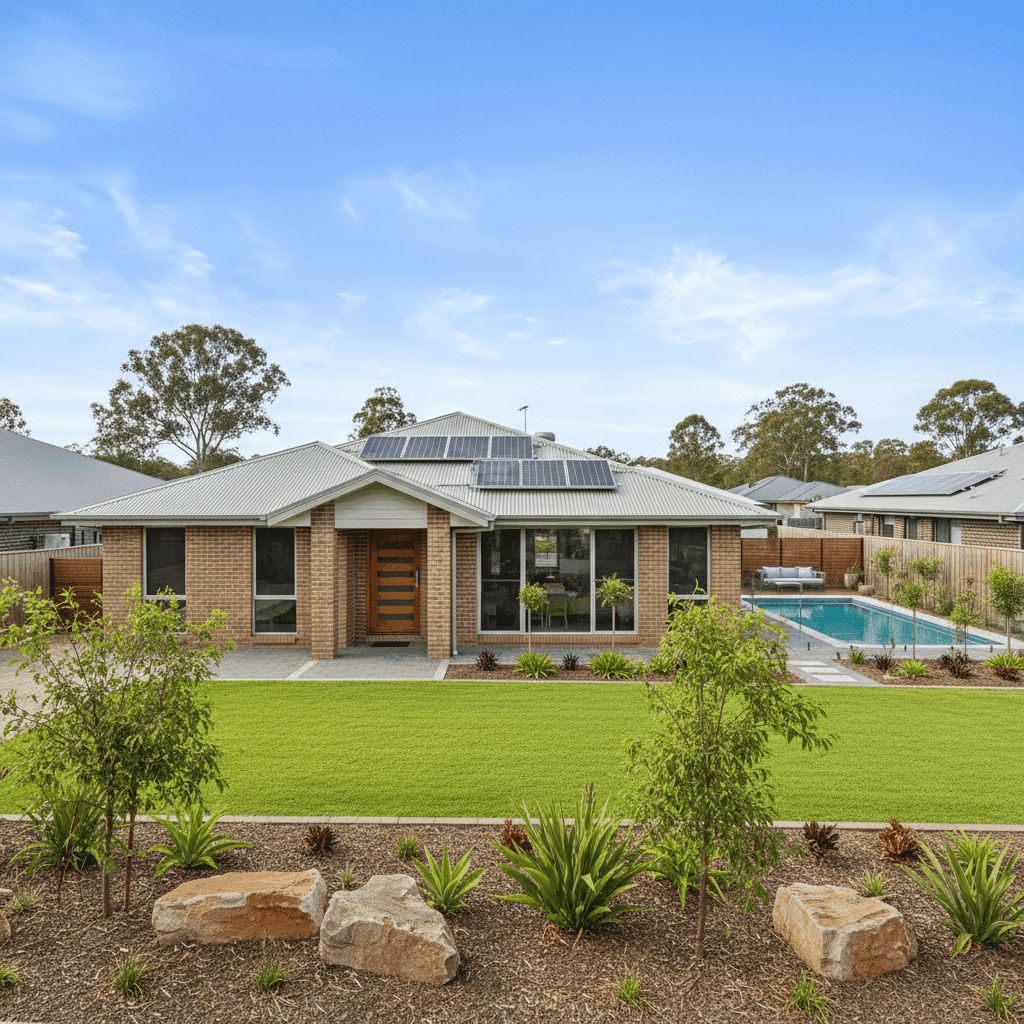
If you own a free standing home in Ningi, QLD 4511, you're likely curious about whether you're paying a fair price for home and contents insurance — or leaving money on the table. This article breaks down a real insurance quote for a five-bedroom brick veneer home in the suburb, compares it against local, state, and national benchmarks, and offers practical tips to help you get better value on your cover.
---
Is This Quote Fair?
The quote in question comes in at $3,709 per year (or $363/month) for combined home and contents insurance, covering a building sum insured of $916,000 and contents valued at $95,000. Both the building and contents carry a $1,000 excess.
Based on our pricing data, this premium is rated Expensive — above average for the Ningi area.
To put that in context, the suburb average annual premium sits at $2,320, and the median is $2,245. That means this quote is roughly 60% higher than the typical Ningi premium. Even compared to the 75th percentile for the suburb ($2,905), this quote exceeds what most local homeowners are paying.
That said, it's worth noting that the building sum insured of $916,000 is likely on the higher end for the suburb, which will naturally push the premium up. A larger insured value means a larger potential payout for the insurer — and that cost gets passed on in the premium. Still, the gap is significant enough to warrant shopping around.
---
How Ningi Compares
Understanding how Ningi sits within the broader insurance landscape helps put this quote in perspective. Here's a snapshot:
| Benchmark | Annual Premium |
|---|---|
| Ningi suburb average | $2,320 |
| Ningi suburb median | $2,245 |
| Ningi 25th percentile | $1,626 |
| Ningi 75th percentile | $2,905 |
| Moreton Bay LGA average | $3,145 |
| QLD state average | $4,547 |
| QLD state median | $3,931 |
| National average | $2,965 |
| National median | $2,716 |
Based on 68 quotes collected for the Ningi suburb.
Interestingly, Ningi actually fares quite well compared to the rest of Queensland. The QLD state average premium is $4,547 per year — nearly double what the typical Ningi homeowner pays. This reflects the significant flood and cyclone risk that affects many parts of the state, particularly in Far North Queensland and flood-prone inland areas.
Compared to the national average of $2,965, Ningi's suburb average of $2,320 is actually below the national benchmark — a positive sign for local homeowners. The quote being analysed here, however, sits above both the national average and the Moreton Bay LGA average of $3,145, reinforcing the "expensive" rating.
You can explore full pricing data for the area on the Ningi suburb stats page.
---
Property Features That Affect Your Premium
Several characteristics of this particular property have a direct bearing on what insurers charge. Here's how each one factors in:
Brick Veneer Walls Brick veneer is generally viewed favourably by insurers. It's durable, fire-resistant, and less susceptible to storm damage than timber weatherboard. This construction type typically attracts more competitive premiums compared to less robust materials.
Steel / Colorbond Roof Colorbond roofing is a popular choice in Queensland for good reason — it handles heat, rain, and wind well. Insurers generally consider it a lower-risk roofing material than older options like terracotta tiles, which can crack or dislodge in severe weather.
Slab Foundation A concrete slab foundation is standard for homes built in this era and is considered low-risk by most underwriters. It reduces the likelihood of subsidence-related claims and is generally viewed positively during risk assessment.
Swimming Pool The presence of a pool adds to the insured value of the property and introduces some liability considerations. Pool-related claims — whether from equipment damage, accidental injury, or storm debris — can contribute to a slightly higher premium.
Solar Panels Solar panel systems represent a significant asset and are typically included in building cover. Depending on the policy, damage from storms, hail, or electrical faults may be covered under the building sum insured. It's worth confirming with your insurer that your system is adequately covered.
Home Size: 277 sqm At 277 square metres, this is a larger-than-average home. Building sum insured is closely tied to the cost of rebuilding the property from scratch — and a five-bedroom home of this size in South East Queensland will carry a substantial rebuild cost, which directly influences the premium.
Year Built: 2003 Homes built in the early 2000s benefit from modern building codes but are old enough that some wear and tear is expected. This is generally a neutral factor for insurers, though it's worth ensuring your sum insured accounts for any upgrades made since construction.
---
Tips for Homeowners in Ningi
1. Review Your Sum Insured Carefully A building sum insured of $916,000 is substantial. While it's critical not to be underinsured, it's equally important to ensure your sum insured reflects the actual cost to rebuild — not the market value of the land and property. Consider using a professional building cost estimator or asking your insurer to review your coverage.
2. Shop Around — Especially at Renewal The gap between this quote and the suburb average is significant. Insurers price risk differently, and loyalty doesn't always pay. Use a comparison tool like CoverClub to see multiple quotes side by side before your policy renews.
3. Check What's Covered for Your Pool and Solar Not all policies treat pools and solar panels the same way. Some insurers include them automatically in building cover; others require separate endorsements or have sub-limits. Read the Product Disclosure Statement (PDS) carefully to avoid nasty surprises at claim time.
4. Consider Increasing Your Excess to Reduce Your Premium If you're comfortable covering smaller claims out of pocket, raising your excess above $1,000 can meaningfully reduce your annual premium. Just make sure the saving justifies the increased out-of-pocket cost if you do need to claim.
---
Ready to Compare?
Whether you're renewing your existing policy or taking out cover for the first time, it pays to compare. At CoverClub, we make it easy to see how your current premium stacks up and find a better deal. Get a home insurance quote today and find out if you could be paying less for the same — or better — protection.