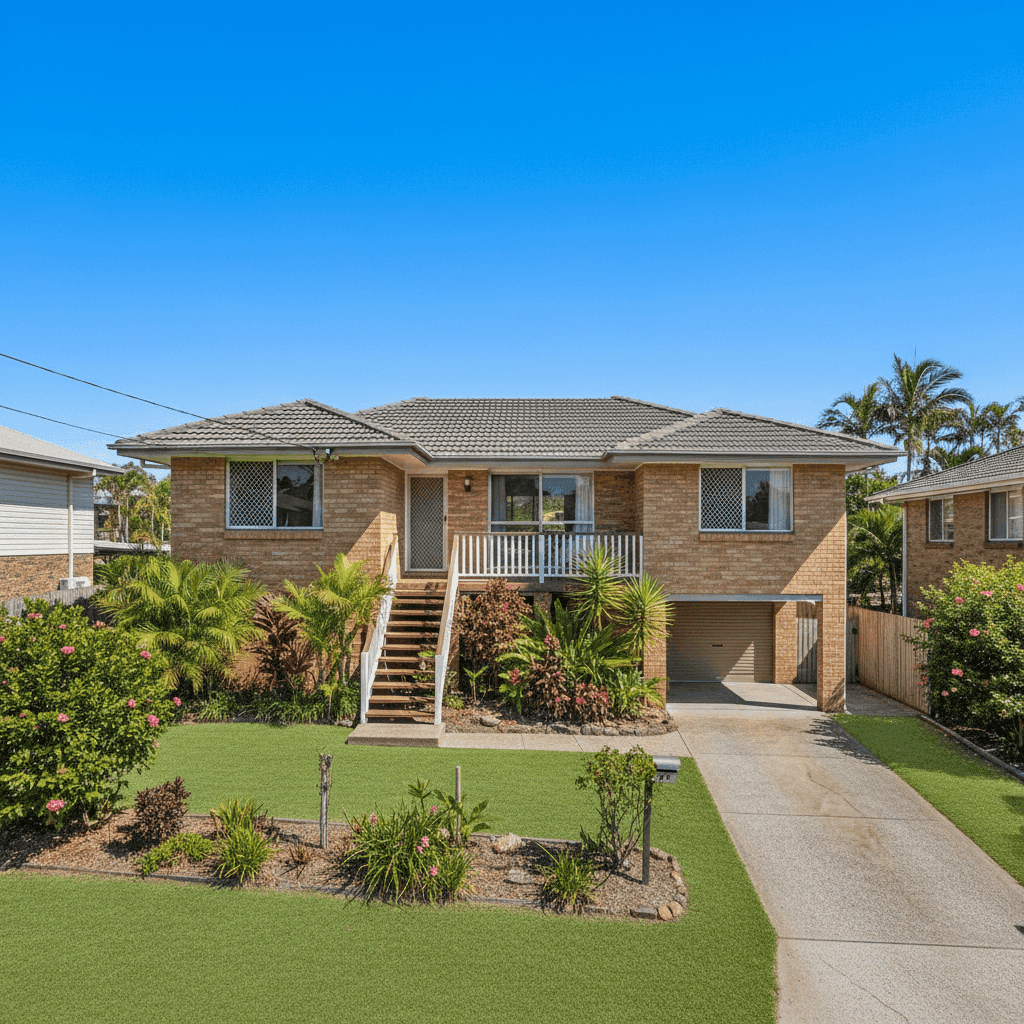
Noosa Heads is one of Queensland's most sought-after coastal addresses — and with that desirability comes a home insurance market that can be surprisingly expensive. This article breaks down a real home and contents insurance quote for a three-bedroom, free-standing home in Noosa Heads (QLD 4567), examines how it stacks up against local, state, and national benchmarks, and offers practical guidance for homeowners in the area.
---
Is This Quote Fair?
The short answer: yes — exceptionally so.
This property received an annual home and contents premium of $1,165 per year (or roughly $114 per month), covering a building sum insured of $500,000 and contents valued at $50,000. Based on CoverClub's pricing data, this quote is rated CHEAP — meaning it sits well below the average for comparable properties in the suburb.
To put that into perspective, the suburb average for Noosa Heads sits at $4,405 per year, with a median of $3,959. Even the cheapest quarter of quotes in the area (the 25th percentile) comes in at $3,310 per year. This quote, at $1,165, sits dramatically below all of those benchmarks — representing a saving of over $3,200 per year compared to the suburb average alone.
For a homeowner who locked in this premium, that's a genuinely outstanding result. It underscores just how much variation exists in the insurance market and why comparing quotes is so worthwhile.
---
How Noosa Heads Compares
Noosa Heads is not a cheap suburb to insure. Local pricing data shows the suburb average of $4,405 per year is notably higher than both the Queensland state average and the national average — a pattern common across coastal Queensland communities.
Here's how the numbers line up:
| Benchmark | Average Premium | Median Premium |
|---|---|---|
| Noosa Heads (suburb) | $4,405/yr | $3,959/yr |
| Queensland (state) | $4,547/yr | $3,931/yr |
| National | $2,965/yr | $2,716/yr |
Interestingly, Noosa Heads tracks closely with the broader Queensland state average of $4,547 per year, suggesting that elevated premiums are a statewide reality rather than a purely local phenomenon. Queensland homeowners pay roughly 53% more than the national average of $2,965 per year — a significant gap driven by factors like flood risk, storm exposure, and the general cost of rebuilding in regional areas.
It's also worth noting that the broader Noosa LGA average sits at a striking $18,770 per year, which reflects how dramatically premiums can vary across different pockets of the same local government area — particularly in high-risk or high-value zones.
---
Property Features That Affect Your Premium
Several characteristics of this particular property likely contribute to its favourable premium outcome. Understanding these factors can help homeowners make sense of their own quotes.
Brick Veneer Walls
Brick veneer construction is generally viewed positively by insurers. While not as robust as full brick, it offers solid fire resistance and structural durability compared to timber or weatherboard alternatives — both of which can attract higher premiums.
Concrete Roof
A concrete tile roof is one of the more insurer-friendly roofing materials. It's durable, fire-resistant, and performs well in storm conditions. Compared to older materials like terracotta or corrugated iron in poor condition, concrete tiles tend to keep premiums lower.
Stump Foundation
The property sits on stumps, which is common for homes built in Queensland during the mid-to-late 20th century. While stumped homes can sometimes raise questions around flooding or subsidence, they also allow for better ventilation and can be easier to inspect and repair. Insurers generally assess this on a case-by-case basis.
Construction Era (1980)
Homes built around 1980 occupy an interesting middle ground. They're old enough to potentially have ageing systems (plumbing, wiring, roofing), but many have been renovated or upgraded over the decades. A well-maintained 1980s home can still attract competitive premiums.
No Pool, No Solar, No Ducted Climate Control
The absence of a swimming pool, solar panel system, and ducted air conditioning removes several common sources of claims and complexity from the risk profile. Each of these features can add to a premium, so a property without them has a simpler, lower-risk footprint in the eyes of insurers.
Standard Fittings
With standard-grade fittings throughout, the cost to repair or replace internal fixtures is predictable and moderate. High-end or bespoke fittings can significantly increase the sum insured required — and the premium along with it.
---
Tips for Homeowners in Noosa Heads
Whether you're reviewing an existing policy or shopping for a new one, here are four practical steps worth taking.
1. Don't assume your current insurer is competitive. The spread between the cheapest and most expensive quotes in Noosa Heads is enormous. The difference between the 25th and 75th percentile alone is over $1,500 per year. Comparing multiple quotes — even annually — can yield meaningful savings.
2. Review your sum insured carefully. Underinsurance is a serious risk in Queensland, where rebuild costs have risen sharply in recent years. Make sure your building sum insured reflects the true cost of rebuilding your home from scratch — not its market value. Tools like the Cordell Sum Sure Calculator can help with this.
3. Ask about your excess options. This quote carries a building excess of $2,000 and a contents excess of $600. Opting for a higher excess can reduce your annual premium, but make sure the excess is an amount you could comfortably cover in the event of a claim.
4. Document your contents. With $50,000 in contents cover, it's worth maintaining an up-to-date home inventory — photos, receipts, and serial numbers where possible. This makes the claims process significantly smoother and helps ensure you're not underinsured on the contents side either.
---
Compare Your Own Quote
Curious how your Noosa Heads property stacks up? CoverClub makes it easy to compare home and contents insurance quotes from multiple insurers in one place. Whether your premium looks like this one or is closer to the suburb average, understanding the market puts you in a much stronger position. Get a quote today and see what's available for your home.