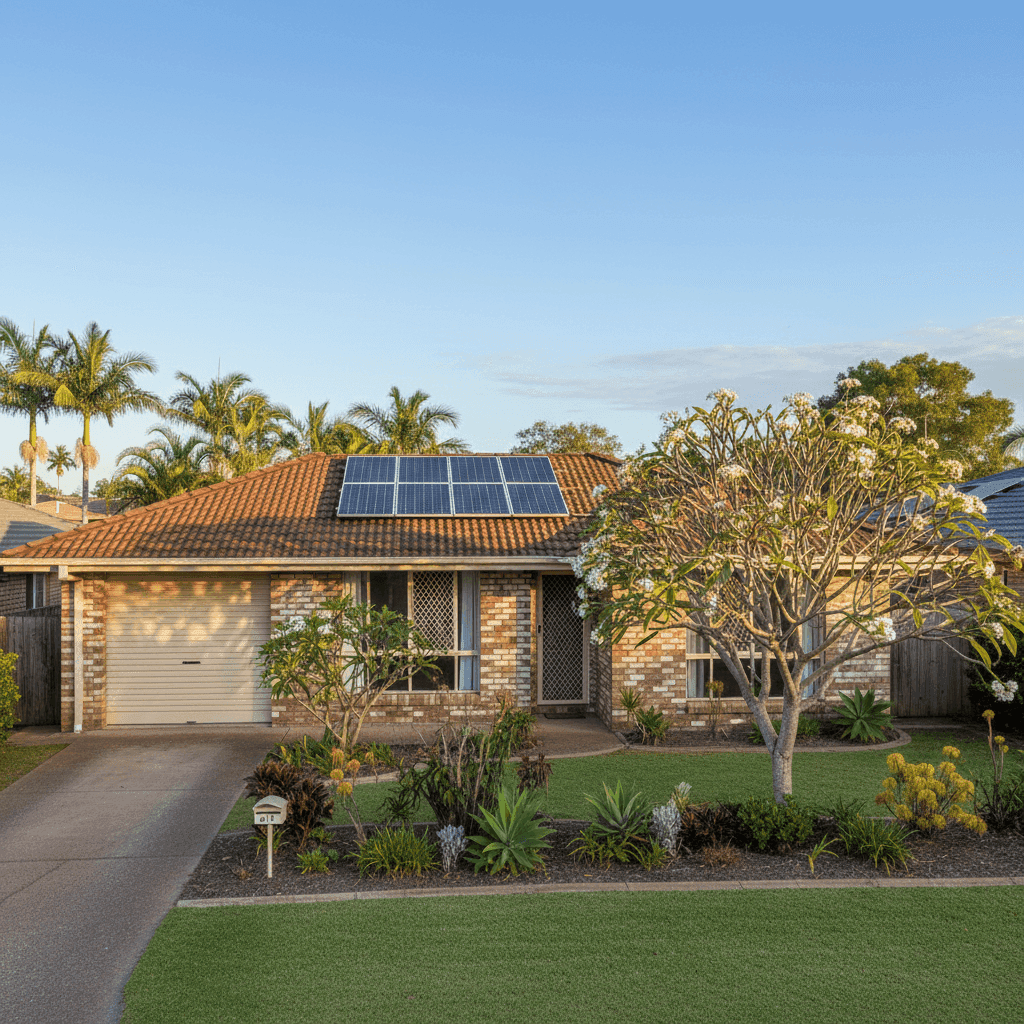
Noosaville is one of the Sunshine Coast's most sought-after addresses — a relaxed riverside suburb that blends holiday charm with permanent residential living. For homeowners here, protecting a property is a serious financial consideration, especially given Queensland's exposure to extreme weather events. This article breaks down a real home and contents insurance quote for a three-bedroom free standing home in Noosaville (QLD 4566), compares it against local, state, and national benchmarks, and offers practical guidance for getting the best value on your cover.
---
Is This Quote Fair?
The short answer: yes — and then some. This quote came in at $1,964 per year (or around $200 per month) for a combined home and contents policy covering a building insured at $395,000 and contents valued at $50,000. CoverClub's pricing engine rates this as CHEAP — below average for the area.
To put that in perspective, the average home and contents premium across Noosaville sits at $7,936 per year, and the suburb median is $5,161 per year. Even the cheapest quarter of quotes in the suburb (the 25th percentile) comes in at $3,609 per year — still nearly double this quote. That means this policy is genuinely exceptional value for a Noosaville property, not just marginally below average.
It's worth noting that the building excess on this policy is $3,000 and the contents excess is $1,000. Higher excesses are one of the key levers insurers use to reduce premiums, so that trade-off is worth keeping in mind when comparing policies. If you needed to make a claim, you'd be contributing more out of pocket before the insurer steps in.
---
How Noosaville Compares
Noosaville sits within the Noosa Local Government Area, where the average home insurance premium is a striking $18,770 per year — one of the highest LGA averages in the country. This reflects the concentration of high-value coastal and waterfront properties in the broader Noosa region, which can skew averages significantly upward.
Here's how the numbers stack up across different geographies (based on 43 quotes sampled in the suburb):
| Benchmark | Average Premium | Median Premium |
|---|---|---|
| Noosaville (suburb) | $7,936/yr | $5,161/yr |
| Queensland (state) | $9,129/yr | $3,903/yr |
| National | $5,347/yr | $2,764/yr |
A few things stand out here. Queensland's state average of $9,129 is considerably higher than the national average of $5,347 — a reflection of the state's elevated exposure to cyclones, flooding, and severe storms. Interestingly, Queensland's median of $3,903 is lower than its average, which tells us that a relatively small number of very expensive policies (think cyclone-prone coastal areas or flood-affected properties) are pulling the average up sharply.
You can explore broader Queensland home insurance statistics or national benchmarks to see how different regions compare.
---
Property Features That Affect Your Premium
Several characteristics of this particular property work in the homeowner's favour from an insurance pricing perspective:
Brick Veneer Construction Brick veneer walls are generally well-regarded by insurers. They offer solid fire resistance and structural durability compared to timber or lightweight cladding, which can translate into lower premiums.
Tiled Roof Concrete or terracotta tiles are considered a resilient roofing material. They hold up well in hail and wind events, though they can crack under extreme impact. Overall, tiles tend to attract more favourable ratings than Colorbond or corrugated iron in some insurer models — though this varies by provider.
Slab Foundation A concrete slab foundation is low-maintenance and minimises the risk of subsidence or underfloor pest damage. It's a neutral-to-positive factor for insurers assessing structural risk.
Solar Panels This property has solar panels installed, which are worth factoring into your sum insured. Solar systems can be expensive to replace — a standard 6.6kW system might cost $5,000–$10,000 or more. Policies differ on whether panels are automatically covered under the building sum insured or require separate listing, so it's important to check the Product Disclosure Statement (PDS) carefully.
No Pool, No Ducted Climate Control The absence of a pool removes a significant liability and maintenance risk factor. No ducted air conditioning also means fewer mechanical systems that could fail or cause water damage — both modest but real contributors to a cleaner risk profile.
1995 Build At around 30 years old, this home is mature but not aged. Properties from the mid-1990s were built to reasonable modern standards and don't carry the wiring or plumbing concerns sometimes associated with older homes. That said, it's worth ensuring your sum insured accounts for current rebuild costs, not just the original construction price.
---
Tips for Homeowners in Noosaville
1. Verify Your Sum Insured Reflects Today's Rebuild Costs Construction costs have risen sharply across Australia in recent years. A $395,000 sum insured on a 130 sqm home equates to roughly $3,038 per sqm — which is broadly reasonable for a standard brick veneer build in Queensland, but worth checking against a quantity surveyor's estimate or an online rebuild calculator to avoid being underinsured.
2. Review Your Solar Panel Coverage As mentioned above, solar panels can fall into a grey area in home insurance policies. Before renewing, confirm with your insurer whether your panels are covered under the building sum insured, whether storm and hail damage is included, and whether there's a specific sub-limit that might apply.
3. Understand Your Flood and Storm Surge Exposure Noosaville borders the Noosa River and is not far from the coast. While this property is not flagged as being in a cyclone risk area, flooding from heavy rainfall and riverine sources is a real consideration in this suburb. Check whether your policy includes flood cover (not just storm damage) and review any flood mapping for your specific street via the Noosaville suburb stats page.
4. Don't Set and Forget — Compare at Renewal Even if your current premium is competitive, insurers regularly reprice at renewal. The Noosaville market shows significant spread — from under $3,609 at the 25th percentile to over $9,906 at the 75th percentile — which means shopping around at renewal could save thousands. Loyalty doesn't always pay in insurance.
---
Ready to See What You'd Pay?
Whether you're a Noosaville local or considering a property in the area, it pays to know where your quote sits relative to the market. CoverClub analyses real insurance data to help you understand if you're getting a fair deal — or paying too much. Get a home insurance quote today and see how your property compares in seconds.