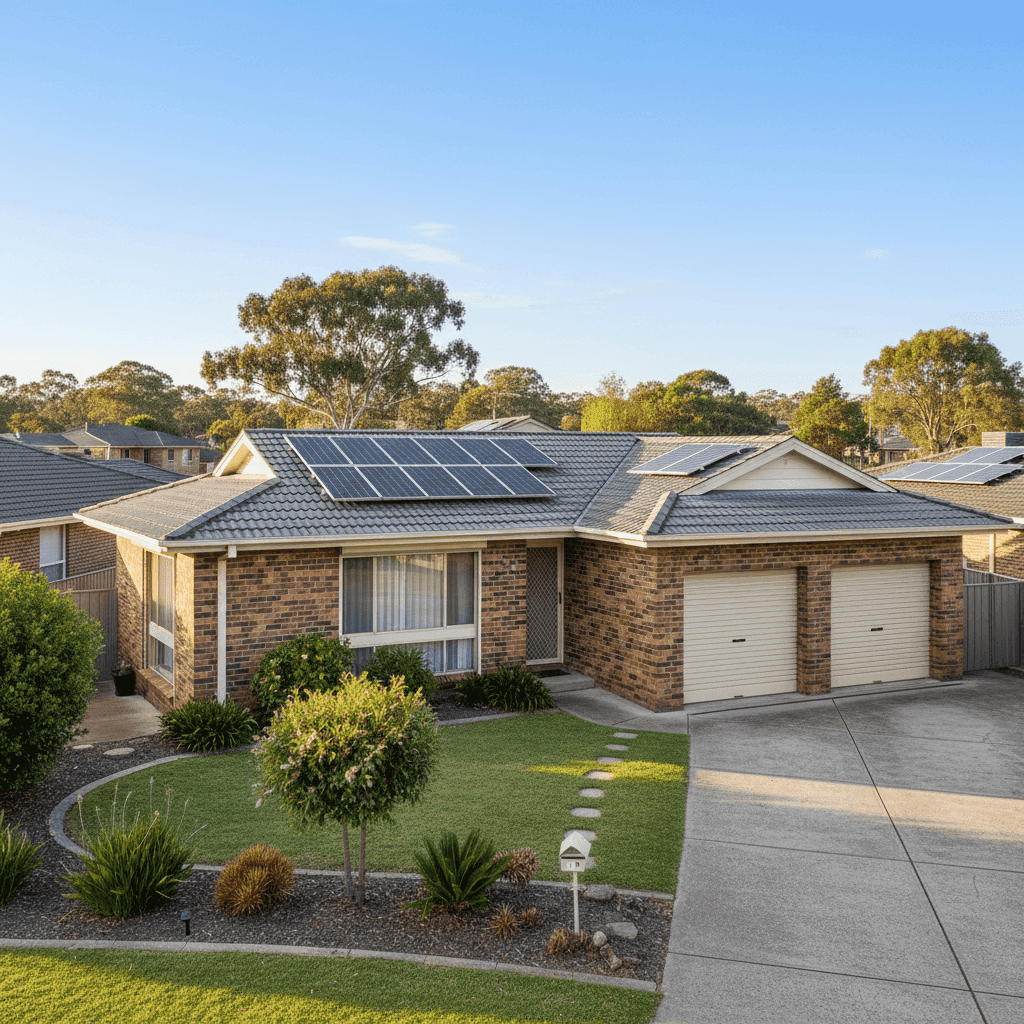
Noraville is a quiet coastal suburb on NSW's Central Coast, sitting within the 2263 postcode and popular with families and retirees alike. If you own a free standing home here, understanding what you should be paying for home and contents insurance — and why — can save you hundreds, if not thousands, of dollars each year. This analysis is based on a real quote for a three-bedroom, two-bathroom brick veneer home built in 1985, with a building sum insured of $506,000 and $50,000 in contents cover.
---
Is This Quote Fair?
The short answer: yes — and then some. This quote came in at $1,273 per year (or $123/month), earning a price rating of CHEAP (Below Average) — meaning it sits well below what most homeowners in the area are paying.
To put that in perspective, the suburb average for Noraville sits at $3,713/year, with a median of $3,383/year. That means this quote is roughly 66% cheaper than the local average — a remarkable outcome for a home and contents policy covering over half a million dollars in building value.
Even measured against the 25th percentile of local quotes (i.e., the cheapest quarter of the market), which sits at $2,863/year, this premium is still dramatically lower. For a homeowner in Noraville, securing coverage at this price point represents genuine value.
---
How Noraville Compares
Insurance pricing doesn't exist in a vacuum, and comparing across different geographic levels reveals just how significant the savings here really are.
| Benchmark | Average Premium | Median Premium |
|---|---|---|
| Noraville (2263) | $3,713/yr | $3,383/yr |
| NSW State | $3,801/yr | $3,410/yr |
| National | $2,965/yr | $2,716/yr |
| This Quote | $1,273/yr | — |
Noraville's average premium of $3,713 tracks closely with the NSW state average of $3,801, suggesting that Central Coast premiums broadly reflect wider state-level risk pricing. Both sit noticeably above the national average of $2,965, which is partly explained by the elevated flood and weather risk that affects much of coastal NSW.
What's particularly striking is the LGA-level figure: the Central Coast (NSW) LGA records an average premium of $8,387/year — more than double the suburb average. This large disparity suggests that while some properties in the LGA face very high-risk pricing (likely due to flood zones, coastal erosion, or bushfire exposure), Noraville itself sits in a comparatively more favourable risk position within the region.
At $1,273/year, this quote sits well below every benchmark — suburb, state, and national.
---
Property Features That Affect Your Premium
Several characteristics of this property likely contribute to its competitive pricing:
Brick Veneer Walls Brick veneer is one of the more insurer-friendly external wall materials. It offers solid fire resistance and structural durability, which typically translates to lower premiums compared to weatherboard or lightweight cladding.
Tiled Roof Terracotta or concrete tiles are considered a durable, low-maintenance roofing option. Insurers generally view tiled roofs favourably, as they perform well in storms and have a long lifespan — both factors that reduce expected claims.
Stump Foundation The home sits on stumps, which is common for older properties in coastal NSW. While stumps can raise concerns around subsidence or pest damage over time, they also allow for better airflow and can reduce the risk of moisture-related damage — a consideration in humid coastal environments.
Timber/Laminate Flooring Flooring type can influence contents and building claims costs. Timber and laminate floors are moderately priced to repair or replace, sitting between cheaper carpet and more expensive stone or hardwood options.
Solar Panels This property has solar panels installed, which are typically included as part of the building sum insured. It's worth confirming with your insurer that panels are explicitly covered, particularly for storm damage, hail, or electrical faults.
Construction Year: 1985 A home built in 1985 is approaching 40 years old. While it was constructed before some of the more stringent modern building codes, brick veneer homes of this era tend to be robustly built. That said, older homes can attract slightly higher premiums due to ageing plumbing, wiring, and roofing — making it important to keep maintenance up to date.
Standard Fittings With standard-quality fittings throughout, the cost to rebuild or repair is more predictable and moderate compared to homes with high-end or custom finishes. This helps keep the sum insured — and therefore the premium — at a reasonable level.
No Pool, No Ducted Climate Control The absence of a pool removes a significant liability and maintenance risk factor. Ducted air conditioning systems can be expensive to repair or replace, so their absence also keeps the building sum insured tighter.
---
Tips for Homeowners in Noraville
1. Review Your Sum Insured Annually Building costs have risen sharply across Australia in recent years. With a sum insured of $506,000 for a 169 sqm home, it's worth checking whether this figure still reflects current rebuild costs in the Central Coast area. Underinsurance is one of the most common — and costly — mistakes homeowners make.
2. Confirm Solar Panel Coverage Solar panels are a meaningful asset. Before renewing your policy, check whether your insurer covers the panels under the building sum insured or as a separate item, and what events are included (e.g., hail, storm, electrical surge).
3. Keep Up With Maintenance on an Older Home A 1985-era home benefits from proactive upkeep. Insurers can deny claims related to gradual deterioration or lack of maintenance — particularly for older roofing, plumbing, and electrical systems. Regular inspections can protect both your home and your claim eligibility.
4. Compare Quotes at Renewal Even if your current premium is already below average, the insurance market shifts constantly. Running a fresh comparison each year ensures you're not leaving savings on the table — and that your cover still matches your needs.
---
Ready to See What You Could Pay?
Whether you're a Noraville local or just exploring your options, CoverClub makes it easy to compare home and contents insurance quotes in minutes. See how your property stacks up and find a policy that fits your budget and your home. Get a quote today at CoverClub — no jargon, no pressure, just clear comparisons.
You can also explore detailed pricing data for Noraville and the 2263 postcode, across NSW, or nationally to better understand where your premium sits in the broader market.