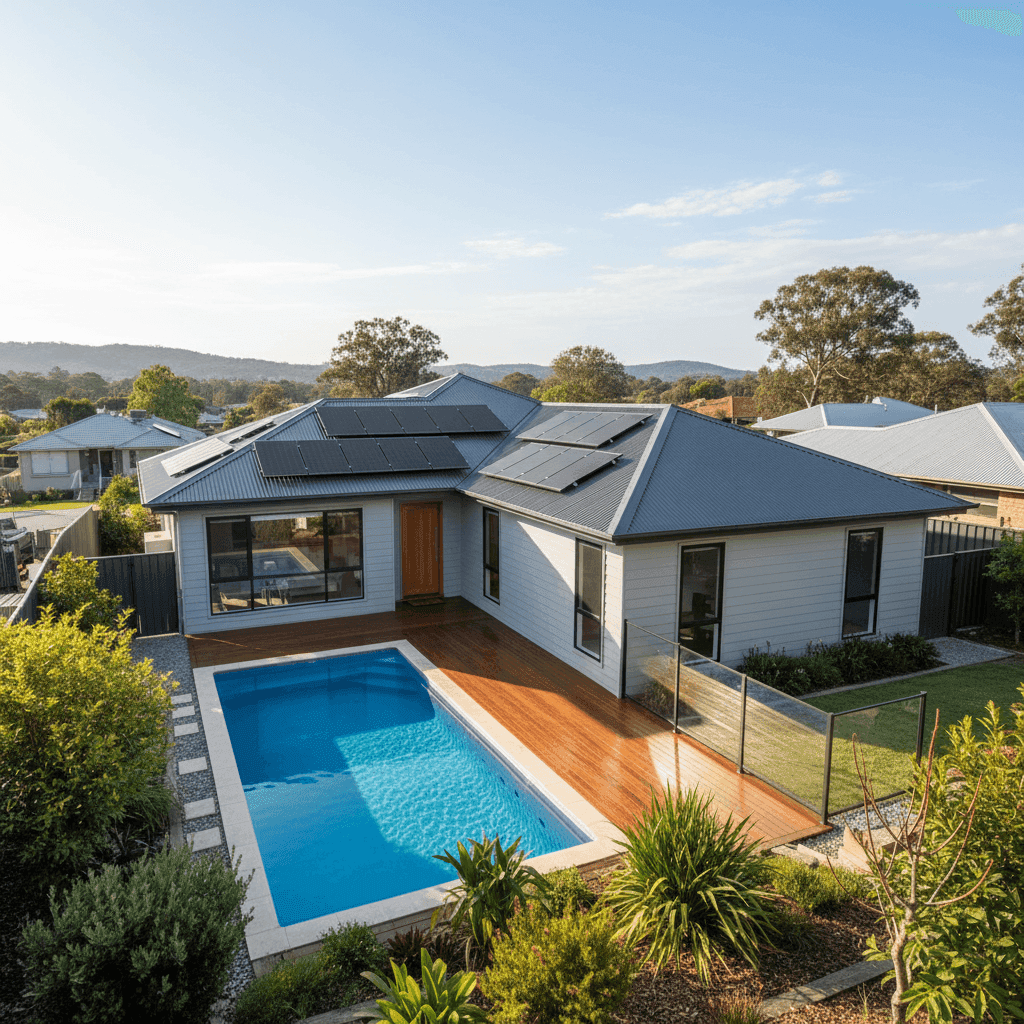
Nords Wharf is a peaceful lakeside suburb on the NSW Central Coast, nestled along the shores of Lake Macquarie. It's a popular location for families and sea-changers alike, offering a relaxed lifestyle with easy access to beaches and bushland. But like any coastal or semi-rural property, insuring a home here comes with its own set of considerations. This article breaks down a real home and contents insurance quote for a five-bedroom free-standing home in Nords Wharf, and puts the numbers in context so you can make a more informed decision about your own cover.
---
Is This Quote Fair?
The quote in question comes in at $3,713 per year (or $362/month) for a combined home and contents policy. The building is insured for $849,000, with contents covered at $200,000. The building excess sits at $5,000, while the contents excess is a more modest $1,000.
Our price rating for this quote is FAIR — Around Average, and the data backs that up. The suburb average premium for Nords Wharf sits at $4,135 per year, meaning this quote is roughly $422 below the local average — a meaningful saving. It also comes in just under the suburb median of $3,841, placing it comfortably in the lower half of the pricing range for the area.
That said, "fair" doesn't necessarily mean you can't do better. The 25th percentile for Nords Wharf premiums is $2,684/yr, which shows that some homeowners in the same postcode are paying significantly less. The 75th percentile reaches $5,364/yr, so there's a wide spread — a reflection of how much individual property characteristics can influence the final figure.
Overall, this is a reasonable quote for a well-appointed, newly built home with premium features, but it's worth understanding what's driving the price before accepting it.
---
How Nords Wharf Compares
To put this quote in broader perspective, let's look at how Nords Wharf premiums stack up against NSW state-wide figures and national benchmarks.
| Benchmark | Average Premium | Median Premium |
|---|---|---|
| Nords Wharf (suburb) | $4,135/yr | $3,841/yr |
| Lake Macquarie LGA | $11,064/yr | — |
| NSW (state-wide) | $9,528/yr | $3,770/yr |
| National | $5,347/yr | $2,764/yr |
A few things stand out here. The Lake Macquarie LGA average of $11,064/yr is strikingly high — well above both the state and national averages. This is likely driven by a small number of high-value or high-risk properties within the LGA pulling the average upward. The NSW state average of $9,528/yr tells a similar story; a handful of very expensive properties (think flood-prone areas, bushfire zones, or luxury coastal homes) can skew averages considerably.
The median figures are more instructive for typical homeowners. The NSW median of $3,770/yr and the national median of $2,764/yr suggest that most Australians pay somewhere in that range — and this quote, at $3,713/yr, sits right in line with the NSW median. It's above the national median, but that's not unusual for a large, feature-rich home in a coastal NSW suburb.
The relatively small sample size for Nords Wharf (15 quotes) means the suburb-level data should be treated as a guide rather than a definitive benchmark. As more data comes in, those figures will become more reliable.
---
Property Features That Affect Your Premium
Several characteristics of this particular property have a direct bearing on the insurance premium. Here's what matters most:
New construction (2025): A brand-new home is generally viewed favourably by insurers. Modern building codes mean better structural integrity, improved fire resistance, and up-to-date electrical and plumbing systems — all of which reduce the likelihood of a claim.
Hardiplank/Hardiflex external walls: This fibre cement cladding is a popular choice in Australia and is generally well-regarded by insurers. It's resistant to fire, rot, and termites, which can help keep premiums in check compared to older timber weatherboard homes.
Steel/Colorbond roof: Colorbond roofing is durable, low-maintenance, and performs well in high-wind events. Insurers tend to rate it favourably compared to older tile roofs, which can crack, leak, or become dislodged in storms.
Slab foundation: A concrete slab is a solid, stable foundation type that typically attracts standard (rather than elevated) risk ratings from insurers.
Above-average fittings: The quality of internal fittings — think stone benchtops, quality appliances, and premium fixtures — directly affects the cost to rebuild or replace. Above-average fittings justify a higher sum insured and contribute to a higher premium, but they also mean you're properly covered if something goes wrong.
Swimming pool: Pools add value to a property but also introduce liability considerations. Most home insurance policies include public liability cover, which is important if a visitor is injured near the pool.
Solar panels: Solar systems add to the replacement value of the home and may need to be specifically noted in your policy. It's worth confirming with your insurer that the panels are covered under the building sum insured.
Ducted climate control: A ducted air conditioning system is a significant fixed asset. Like solar panels, it's worth confirming it's captured within your building sum insured rather than overlooked.
Timber/laminate flooring: These floor types can be more susceptible to water damage than tiles. In the event of a burst pipe or flooding, replacement costs can be substantial — making adequate contents and building cover all the more important.
---
Tips for Homeowners in Nords Wharf
1. Review your sum insured regularly. With a newly built home, the $849,000 sum insured may be accurate today — but construction costs in Australia have risen sharply in recent years. Make it a habit to reassess your building sum insured annually to ensure you're not underinsured.
2. Confirm your solar and climate control systems are covered. Not all policies automatically include fixed assets like solar panels and ducted air conditioning under the building sum insured. Check your Product Disclosure Statement (PDS) carefully, and ask your insurer to confirm these are included.
3. Consider your excess strategy. The $5,000 building excess on this policy is on the higher side. While a higher excess generally reduces your premium, it also means a significant out-of-pocket cost if you need to make a claim. Think about whether that trade-off suits your financial situation.
4. Compare quotes before renewal. A "fair" rating means you're not being overcharged — but you could still find a better deal. The 25th percentile for Nords Wharf is $2,684/yr, so there's potential to save. Shopping around at renewal time is one of the simplest ways to reduce your insurance costs without sacrificing cover.
---
Find a Better Deal with CoverClub
Whether you're happy with your current quote or curious whether you can do better, CoverClub makes it easy to compare home and contents insurance options across Australia. With real premium data from your suburb and beyond, you can see exactly how your quote stacks up — and find cover that suits your home, your lifestyle, and your budget.
Get a home insurance quote today and see how much you could save.