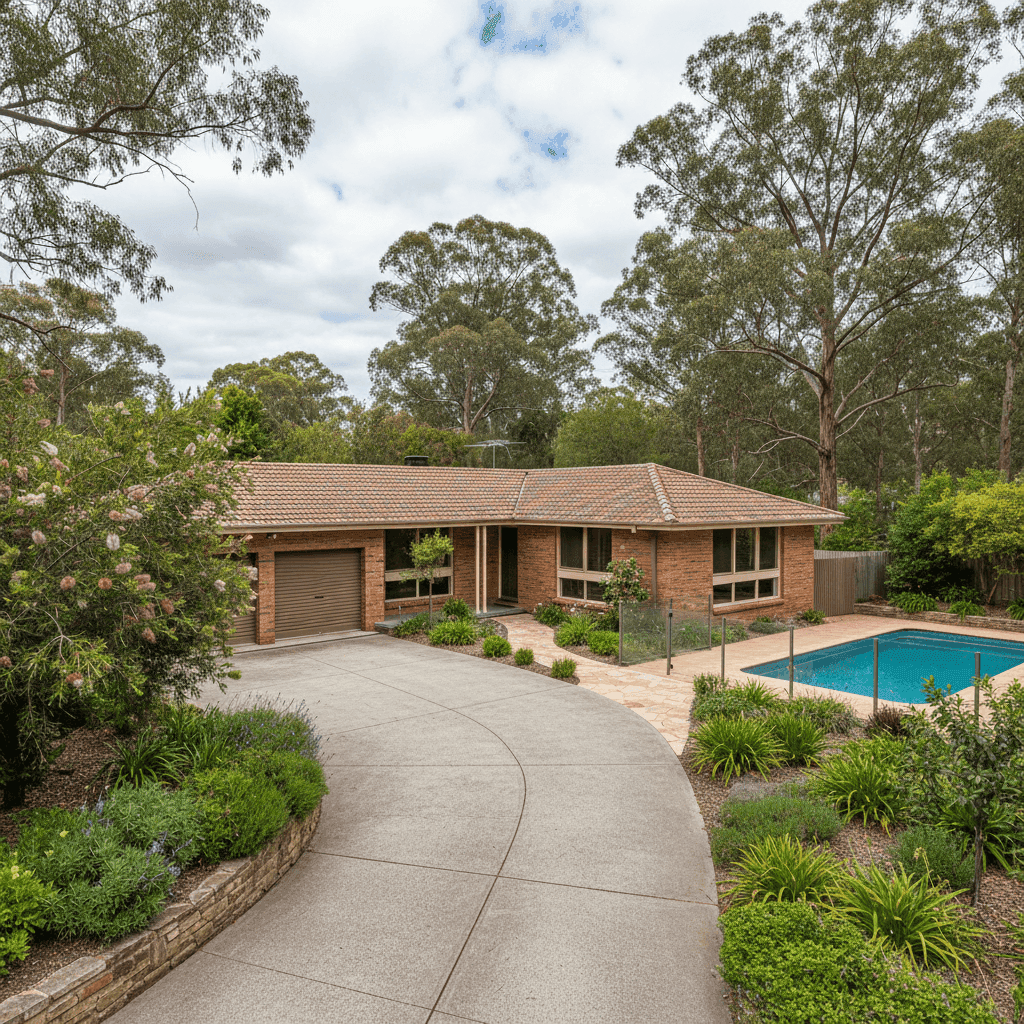
Normanhurst is a leafy, well-established suburb on Sydney's Upper North Shore, known for its quiet streets, large block sizes, and predominantly brick homes built from the mid-twentieth century onwards. If you own a free-standing home here, you're sitting on a significant asset — and making sure it's properly protected is just as important as the property itself. This article breaks down a real home and contents insurance quote for a four-bedroom, two-bathroom brick veneer home in Normanhurst, and puts the numbers into context so you can judge whether you're getting a fair deal.
---
Is This Quote Fair?
The quote in question comes to $3,134 per year (or $300 per month) for combined home and contents cover, with a building sum insured of $880,000 and contents valued at $88,000. Both the building and contents excess are set at $1,000.
Our pricing analysis rates this quote as Expensive — above average for the area. That's a meaningful signal worth unpacking.
When you look at the suburb-level data for Normanhurst (NSW 2076), the average annual premium sits at $1,945, with a median of $1,944. The 75th percentile — meaning 75% of quotes in the suburb come in below this figure — is $2,380 per year. At $3,134, this quote lands well above that upper quartile, which means it's priced higher than the vast majority of comparable policies in the postcode.
That said, it's worth remembering that premium comparisons are only meaningful when the underlying cover levels are similar. A higher sum insured naturally drives a higher premium, and $880,000 in building cover is a substantial figure. If other quotes in the suburb are based on lower replacement values, a direct comparison may not be entirely apples-to-apples. Still, the gap is wide enough to warrant shopping around.
---
How Normanhurst Compares
To put this quote in broader perspective, here's how Normanhurst stacks up against state and national benchmarks:
| Benchmark | Average Premium | Median Premium |
|---|---|---|
| Normanhurst (NSW 2076) | $1,945/yr | $1,944/yr |
| Hornsby LGA | $3,958/yr | — |
| New South Wales | $9,528/yr | $3,770/yr |
| National | $5,347/yr | $2,764/yr |
A few things stand out here. First, the NSW state average of $9,528 per year is dramatically higher than what most Normanhurst homeowners are paying — a reflection of the enormous variation across the state, with high-risk coastal and flood-prone areas pulling that average up significantly. The NSW median of $3,770 is a more realistic benchmark for the typical homeowner.
Compared to the national picture, where the average sits at $5,347 and the median at $2,764, Normanhurst's suburb-level premiums look relatively moderate. This makes sense — the Upper North Shore is not a cyclone zone, is generally well-serviced by emergency services, and doesn't carry the same bushfire or flood risk profiles as many other parts of Australia.
Interestingly, the Hornsby LGA average of $3,958 per year is notably higher than the Normanhurst suburb average of $1,945. This suggests there's meaningful variation within the local government area, and that Normanhurst itself may be considered a lower-risk pocket compared to some neighbouring suburbs.
The quote of $3,134 sits between the Normanhurst suburb average and the Hornsby LGA average — which is useful context, but still reinforces that there's likely room to find more competitive pricing.
---
Property Features That Affect Your Premium
Several characteristics of this property have a direct bearing on what insurers charge. Understanding them helps you anticipate how underwriters assess risk.
Brick Veneer Construction Brick veneer walls are generally viewed favourably by insurers. They offer solid fire resistance and structural durability compared to weatherboard or clad exteriors. This should, in theory, work in the homeowner's favour when it comes to pricing.
Tiled Roof Concrete or terracotta tile roofs are considered a low-to-moderate risk roofing material. They're durable, fire-resistant, and long-lasting — though they can be more expensive to repair after hail events compared to Colorbond. Overall, tiles are a neutral-to-positive factor for insurers.
Slab Foundation A concrete slab foundation is one of the more stable foundation types, particularly in Sydney's clay-heavy soils. It reduces the risk of subsidence-related claims and is generally well-regarded by underwriters.
Construction Year: 1975 At approximately 50 years old, this home sits in a bracket where insurers start to pay closer attention to the condition of plumbing, electrical wiring, and roofing. Older homes can carry higher risk of escape-of-liquid claims (burst pipes, leaking fixtures) and may attract a slight premium loading compared to newer builds.
Swimming Pool The presence of a pool adds to the overall replacement cost of the property and introduces additional liability considerations. Pools require their own maintenance infrastructure — pumps, filtration, fencing — all of which contribute to the insured value and can nudge premiums upward.
Ducted Climate Control Ducted air conditioning systems are a significant fixed asset. In the event of a total loss or major damage, replacing a ducted system is costly, and this is factored into the building sum insured. It's a legitimate driver of higher cover requirements.
Timber and Laminate Flooring Timber and laminate floors are more susceptible to water damage than tiles, which can increase the likelihood of contents or building claims following a leak or flood event. Insurers may factor this into their risk assessment.
---
Tips for Homeowners in Normanhurst
1. Review your sum insured carefully At $880,000, the building sum insured is substantial. Make sure this figure reflects the actual cost to rebuild — not the market value of the property. Over-insuring drives up your premium unnecessarily, while under-insuring can leave you exposed. Use a building cost estimator or consult a quantity surveyor if you're unsure.
2. Shop around — especially at renewal Given this quote is rated above average for the suburb, it's worth getting multiple quotes before committing. Insurers price risk differently, and the gap between the cheapest and most expensive quotes for the same property can be significant. Compare quotes at CoverClub to see what else is available.
3. Check what's included in your contents cover $88,000 in contents cover is a reasonable figure for a four-bedroom home, but it's worth doing a proper room-by-room inventory to confirm it's accurate. Many homeowners underestimate the replacement cost of their belongings — particularly electronics, furniture, and clothing — while others over-estimate and pay for cover they don't need.
4. Ask about discounts for security and safety features Some insurers offer premium reductions for homes with monitored alarm systems, deadbolts, or smoke detectors. If your home has any of these features, make sure they're declared when getting a quote — it could make a meaningful difference to the final price.
---
Ready to Find a Better Rate?
If your current home and contents insurance feels like it's costing more than it should, you're not alone. Premiums vary widely between providers, and a few minutes of comparison shopping can uncover significant savings. Visit CoverClub to compare home insurance quotes for your Normanhurst property and make sure you're getting the right cover at the right price.