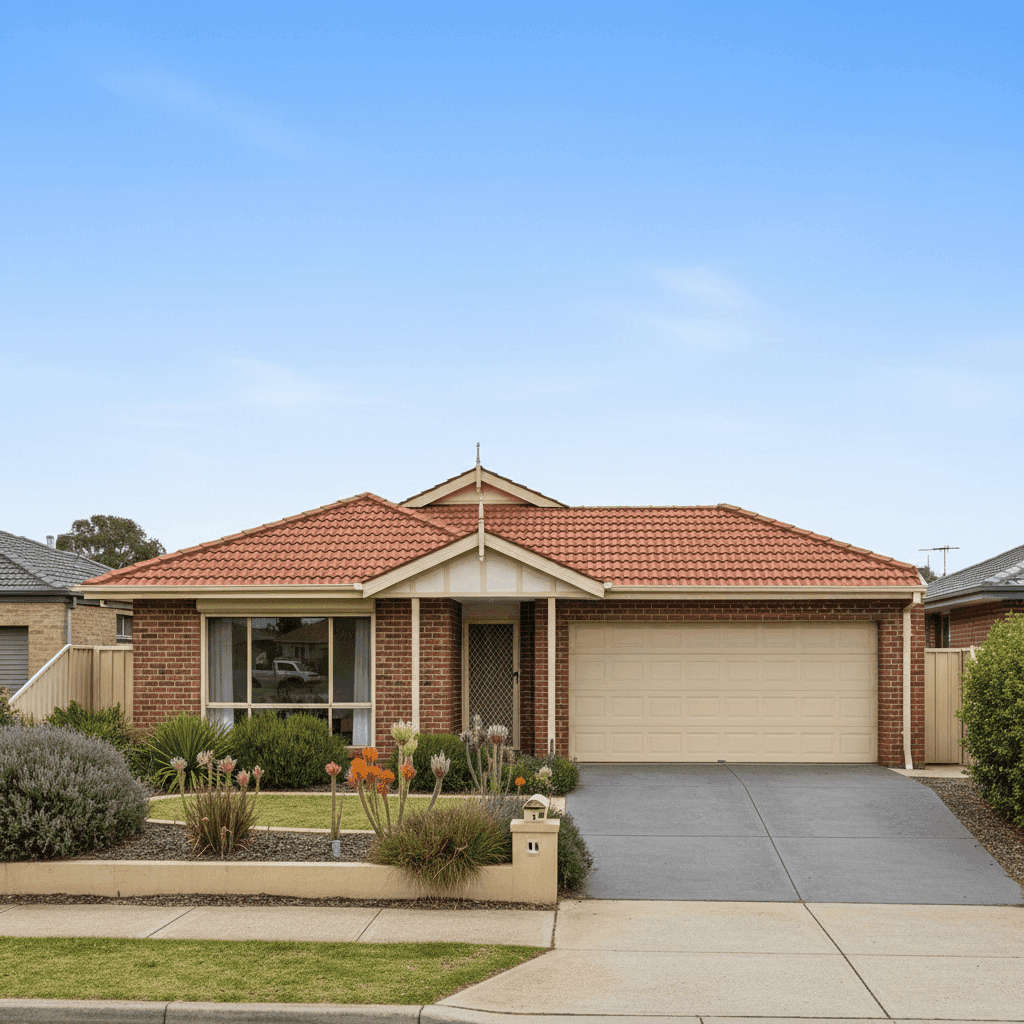
If you own a free standing home in North Plympton, SA 5037, you're probably curious about what a fair home insurance premium looks like — and whether your current policy is competitive. This article breaks down a real home and contents insurance quote for a three-bedroom, one-bathroom brick veneer home in the suburb, comparing it against local, state, and national benchmarks to help you make a more informed decision.
---
Is This Quote Fair?
The quote in question comes in at $1,257 per year (or $132 per month), covering a building sum insured of $667,000 and contents valued at $62,000. The building excess is $3,000, and the contents excess is $500.
Based on our pricing data, this premium is rated Expensive — above average for the North Plympton area.
To put that in context: the average home and contents premium in the suburb sits at $897 per year, with a median of $696. This quote lands well above both figures, and even nudges past the 75th percentile benchmark of $1,238 — meaning it's pricier than roughly three-quarters of comparable quotes we've seen in the area.
That said, it's worth noting the building sum insured of $667,000 is a significant coverage amount for a 105 sqm home, and higher insured values naturally push premiums upward. The excess structure also plays a role — a lower excess on contents ($500) typically means a higher base premium, as the insurer carries more of the early risk.
So while the premium is above average for North Plympton, it's not entirely out of step with what you'd expect given the coverage levels involved. The real question is whether you could achieve the same protection for less by shopping around.
---
How North Plympton Compares
Understanding where your suburb sits relative to broader markets is a useful reality check. Here's how North Plympton stacks up:
| Benchmark | Premium |
|---|---|
| This Quote | $1,257/yr |
| North Plympton suburb average | $897/yr |
| North Plympton suburb median | $696/yr |
| LGA (Marion) average | $1,463/yr |
| South Australia average | $2,433/yr |
| South Australia median | $1,679/yr |
| National average | $5,347/yr |
| National median | $2,764/yr |
The picture here is actually quite encouraging for North Plympton homeowners in general. Even this above-average quote of $1,257 is comfortably below both the SA state average and the national average — often by a significant margin. Compared to the national median of $2,764, this premium is less than half.
This reflects the relatively low-risk profile of the suburb. North Plympton is not in a cyclone-prone region, is reasonably well-serviced by emergency services, and doesn't face the extreme weather volatility seen in parts of Queensland or northern Western Australia, which tend to drive national averages skyward.
You can explore North Plympton suburb insurance statistics in more detail, or compare against South Australia state-wide data and national benchmarks to see how your situation fits the broader picture.
---
Property Features That Affect Your Premium
Every home is different, and insurers assess a range of property characteristics when calculating your premium. Here's how the features of this particular home factor in:
Brick Veneer Walls Brick veneer is generally viewed favourably by insurers. It's durable, fire-resistant, and widely used in South Australian homes built from the 1980s onwards. It typically attracts lower premiums than timber weatherboard or other combustible cladding materials.
Tiled Roof A tiled roof is another positive signal for insurers. Tiles are long-lasting and perform well in most weather conditions. They're less susceptible to storm damage than corrugated iron in moderate wind events, though they can crack under significant hail impact.
Slab Foundation A concrete slab foundation is standard for homes of this era and is considered low-risk from a structural standpoint. It reduces concerns around subsidence or pest-related damage that can affect older homes on timber stumps.
Construction Year: 2000 A home built in 2000 benefits from modern building codes that were in force at the time, including improved structural standards. It's also recent enough that major systems (roofing, plumbing, electrical) are unlikely to be at end-of-life, which can reduce the likelihood of claims.
Building Size: 105 sqm At 105 square metres, this is a modest-sized home. Rebuild costs — which inform the sum insured — are calculated on a per-square-metre basis, so a smaller footprint generally means a lower rebuild cost. The $667,000 sum insured may reflect high-quality finishes, site-specific rebuild costs, or a conservative estimate to avoid underinsurance.
No Pool, No Solar, No Ducted Climate Control The absence of a pool, solar panels, and ducted air conditioning simplifies the risk profile. Each of these features can add to both the cost of a claim and the complexity of coverage, so their absence keeps things straightforward.
---
Tips for Homeowners in North Plympton
If you're looking to get better value on your home and contents insurance, here are a few practical steps worth considering:
- Review your sum insured annually. Building costs in South Australia have risen in recent years due to labour and materials inflation. Make sure your sum insured reflects current rebuild costs — not what you paid for the home. Underinsurance is one of the most common and costly mistakes homeowners make.
- Consider adjusting your excess. This quote carries a $3,000 building excess. Opting for a higher excess on contents as well could reduce your annual premium. Conversely, if cash flow is a concern, a lower excess might be worth the slightly higher premium. Find the balance that suits your financial situation.
- Bundle thoughtfully, but still compare. Many insurers offer discounts for combining home and contents cover under one policy — which this quote already does. However, bundling doesn't always guarantee the best deal. It's worth getting separate quotes to see if the bundled price is genuinely competitive.
- Shop around at renewal time. Insurers often reserve their best pricing for new customers, meaning loyal policyholders can end up paying a loyalty tax over time. Even if you're happy with your current insurer, getting a comparison quote each year takes only minutes and could save you hundreds.
---
Compare Your Options with CoverClub
Whether this quote represents good value for your circumstances depends on your coverage needs, risk tolerance, and what else is available in the market. The best way to find out is to compare.
At CoverClub, we make it easy for Australian homeowners to see how their premiums stack up and explore alternatives — all in one place. Get a home insurance quote today and find out if you could be paying less for the same level of protection.