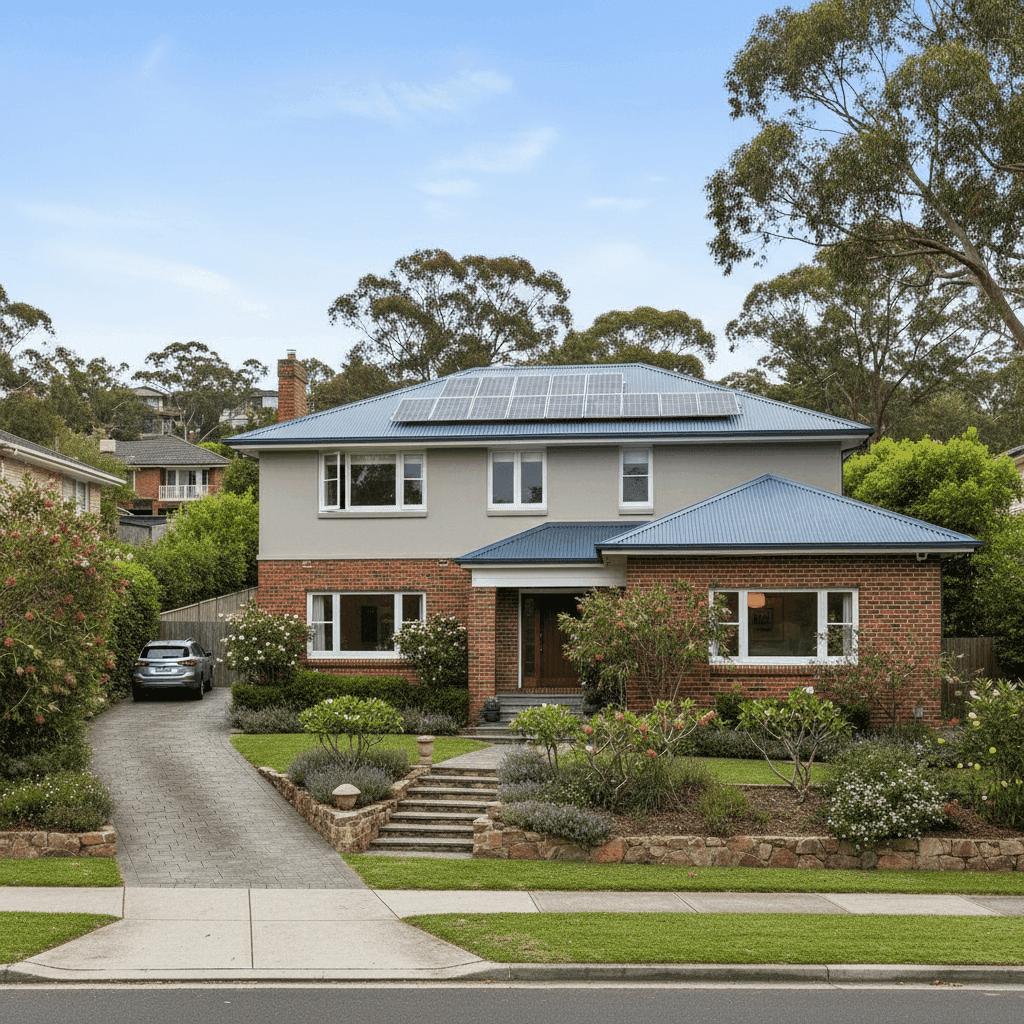
North Wahroonga is one of Sydney's leafy Upper North Shore suburbs — a sought-after pocket of postcode 2076 known for its tree-lined streets, generous block sizes, and well-established family homes. If you own a freestanding home here, you're sitting on a significant asset, and making sure it's properly protected with the right home and contents insurance is essential. In this article, we break down a real insurance quote for a four-bedroom, double brick freestanding home in North Wahroonga, examine how it stacks up against local, state, and national benchmarks, and share practical tips to help you get the best value cover.
---
Is This Quote Fair?
The quote in question comes in at $3,187 per year (or approximately $305 per month) for combined home and contents insurance, covering a building sum insured of $802,000 and contents valued at $180,000. Both the building and contents excesses are set at $2,000.
Our pricing analysis rates this quote as CHEAP — that is, below average for comparable properties. That's genuinely good news for the homeowner. A below-average premium doesn't necessarily mean below-average cover; it simply means this particular quote is competitively priced relative to what similar homes across the region and the country are paying.
It's worth noting that premiums can vary enormously depending on the insurer, the specific policy inclusions, and the individual risk profile of the property. A cheaper headline price is worth celebrating, but always read the Product Disclosure Statement (PDS) carefully to ensure the cover limits, exclusions, and conditions suit your needs.
---
How North Wahroonga Compares
To put this quote in proper context, here's how it sits against the broader market:
| Benchmark | Premium |
|---|---|
| This Quote | $3,187/yr |
| Hornsby LGA Average | $3,958/yr |
| NSW State Median | $3,770/yr |
| NSW State Average | $9,528/yr |
| National Median | $2,764/yr |
| National Average | $5,347/yr |
A few things stand out here. First, the NSW state average of $9,528 is strikingly high — this reflects the fact that averages are heavily skewed by high-risk properties (think flood zones, bushfire-prone areas, and coastal storm surge regions) that attract eye-watering premiums. The state median of $3,770 is a more representative figure for typical NSW homeowners, and this quote sits comfortably below it.
Compared to the Hornsby LGA average of $3,958, this quote is around $771 cheaper per year — a meaningful saving. Against the NSW state-wide picture, it's below the median, which puts it in the more affordable half of the market.
Interestingly, the quote is slightly above the national median of $2,764, but well below the national average of $5,347. This is fairly typical for Sydney's Upper North Shore — premiums here tend to be moderate, reflecting the suburb's relatively low flood and cyclone risk, combined with higher-than-average property values.
For a deeper look at how North Wahroonga specifically compares, visit the North Wahroonga suburb stats page.
---
Property Features That Affect Your Premium
Every property has its own risk profile, and insurers weigh up a range of features when calculating your premium. Here's how the characteristics of this particular home likely influence the cost:
Double Brick Construction
Double brick is widely regarded as one of the most resilient building materials available. It offers excellent resistance to fire, wind, and general wear — all factors that reduce an insurer's risk exposure. Homes with double brick walls typically attract lower premiums than those with timber or lightweight cladding, and this property benefits accordingly.
Steel / Colorbond Roof
A Colorbond steel roof is another tick in the right column. It's durable, fire-resistant, and performs well in storms — a significant consideration in greater Sydney, where severe weather events are becoming more frequent. Compared to older terracotta tiles, which can crack or dislodge in high winds, a steel roof presents a lower claims risk.
Slab Foundation
A concrete slab foundation is structurally sound and generally straightforward for insurers to assess. It doesn't carry the same risks as older stumped or pier-and-beam foundations, which can be susceptible to movement, moisture, and pest damage.
Slightly Elevated (Less Than 1m)
The property is noted as being slightly elevated — less than one metre. This modest elevation can help with surface water drainage during heavy rainfall events, potentially reducing the risk of water ingress. It's not a dramatic elevation, but every little bit helps in terms of flood resilience.
Solar Panels
The presence of solar panels adds some complexity to a home insurance policy. Panels represent a capital asset that should ideally be covered under the building sum insured. It's important to confirm with your insurer that solar panels — including inverters and mounting hardware — are explicitly included in your policy. Some policies cover them automatically; others require a specific endorsement.
1981 Construction
Homes built in the early 1980s are well past their initial construction phase but are generally considered structurally mature rather than problematic. That said, older homes may have ageing electrical wiring, plumbing, or roofing components that could be flagged during a claim. It's worth keeping maintenance records up to date and ensuring your sum insured reflects the current cost to rebuild — not just the market value.
Building Size: 214 sqm
At 214 square metres, this is a comfortably sized family home. The building sum insured of $802,000 equates to roughly $3,748 per square metre — which is broadly in line with current construction costs in Sydney, where quality rebuilds can run anywhere from $3,000 to $5,000+ per sqm depending on finishes and site conditions.
---
Tips for Homeowners in North Wahroonga
1. Review your sum insured regularly Construction costs in Sydney have risen sharply in recent years. A sum insured that was accurate three years ago may now fall short of what it would actually cost to rebuild your home. Use a building cost calculator or speak to a quantity surveyor to ensure you're not underinsured — it's one of the most common and costly mistakes homeowners make.
2. Confirm your solar panels are covered Given this property has solar panels, double-check your policy wording to ensure they're included in the building sum insured. Ask your insurer directly: Are solar panels, inverters, and mounting hardware covered? What's the claims process if they're damaged in a storm?
3. Consider the impact of your excess Both the building and contents excesses on this policy are set at $2,000. A higher excess typically results in a lower premium — but it also means more out-of-pocket costs if you need to make a claim. Think carefully about what you could comfortably afford to pay in the event of a loss, and adjust accordingly.
4. Shop around at renewal time Even if you're happy with your current insurer, it pays to compare quotes annually. The insurance market is competitive, and loyalty doesn't always translate to savings. Platforms like CoverClub make it easy to benchmark your renewal quote against the broader market in minutes.
---
Ready to Compare Your Own Quote?
Whether you're a first-time buyer or a long-term North Wahroonga resident, it's always worth knowing where your premium sits relative to the market. At CoverClub, we help Australian homeowners make sense of their home insurance costs with transparent data and easy quote comparisons. Enter your address to get started — it only takes a few minutes and could save you hundreds.