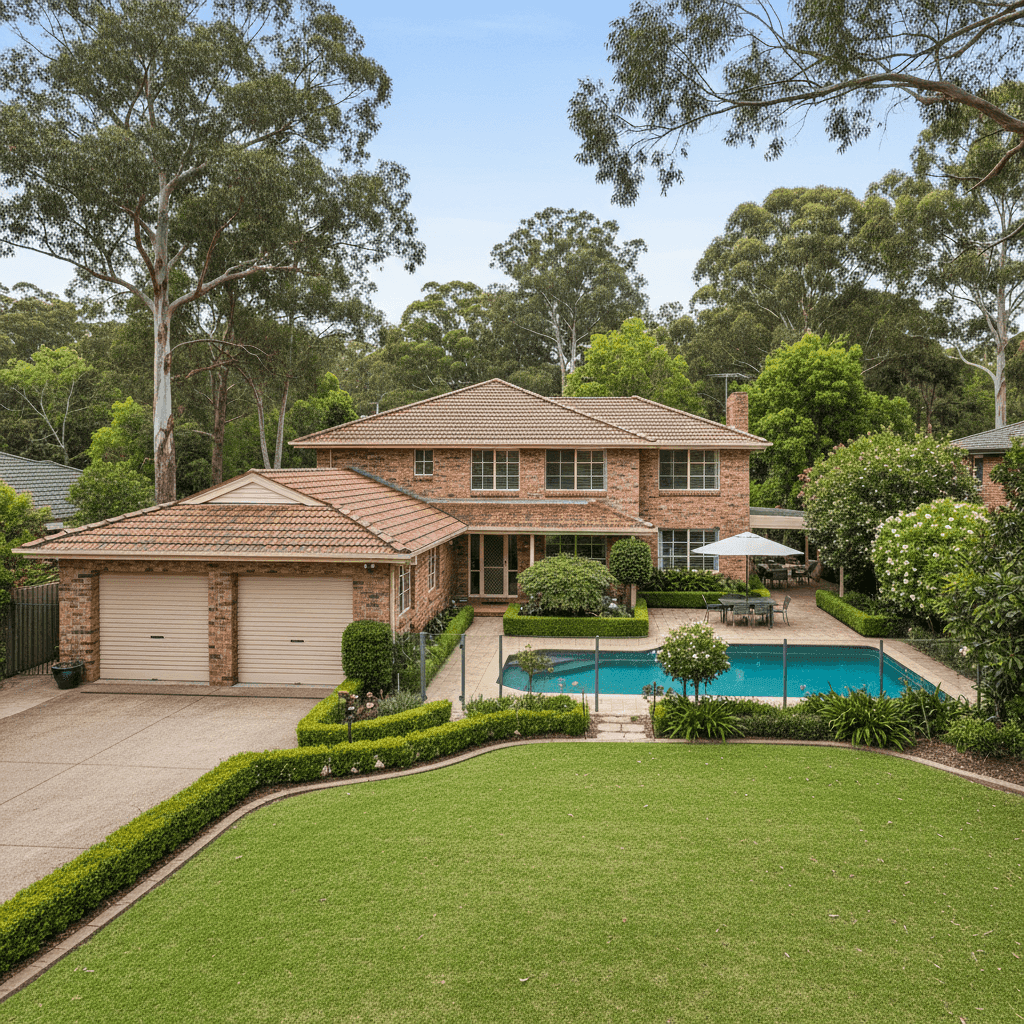
North Wahroonga is one of Sydney's leafy upper North Shore suburbs — a well-established residential area known for its generous block sizes, mature trees, and a strong sense of community. For owners of free standing homes in this pocket of NSW 2076, understanding what drives home insurance costs is just as important as finding the right coverage. This article breaks down a real home and contents insurance quote for a five-bedroom free standing home in North Wahroonga, examining whether the price stacks up and what factors are shaping the premium.
---
Is This Quote Fair?
The quote in question comes in at $4,035 per year (or $396/month) for combined home and contents cover, with a building sum insured of $840,000 and contents valued at $122,000. Both the building and contents excess are set at $1,000.
Based on CoverClub's pricing data, this quote is rated CHEAP — below average for the area. That's a meaningful finding. A premium that sits below the benchmarks for its region suggests the homeowner is getting solid value, assuming the coverage terms are comparable to market alternatives.
To put it in perspective: the NSW state average premium sits at $9,528 per year, more than double this quote. Even the NSW median — a more representative figure that filters out extreme outliers — comes in at $3,770 per year, still slightly above what's been quoted here. Against national benchmarks, the picture is similar: the national average is $5,347/yr and the national median is $2,764/yr.
It's worth noting that state and national averages can be skewed significantly upward by high-risk postcodes — coastal flood zones, cyclone-prone regions in Queensland, and bushfire corridors can all push averages well above what a typical suburban homeowner in a stable area might expect to pay. The median is often a fairer yardstick, and even against that measure, this quote is competitive.
---
How North Wahroonga Compares
While suburb-level data isn't available for this specific postcode at the time of writing, the Hornsby LGA average premium provides a useful local reference point. The LGA (Hornsby) average sits at $3,958 per year — and this quote of $4,035 is almost exactly in line with that figure, landing just $77 above the local average.
That alignment is reassuring. It suggests the quote reflects genuine local market conditions rather than being an outlier in either direction. You can explore more detailed pricing data for this area at the North Wahroonga suburb stats page as more data becomes available.
| Benchmark | Annual Premium |
|---|---|
| This Quote | $4,035 |
| Hornsby LGA Average | $3,958 |
| NSW Median | $3,770 |
| National Median | $2,764 |
| NSW Average | $9,528 |
| National Average | $5,347 |
The gap between the NSW average and median is particularly striking — a reminder that a small number of very expensive policies (often in high-risk areas) can dramatically inflate state-wide averages.
---
Property Features That Affect Your Premium
Several characteristics of this property are worth examining in the context of insurance pricing.
Brick Veneer Construction (1970) The home features brick veneer external walls, which is a common and well-regarded construction type in Australian suburbs. Brick veneer generally offers good fire resistance and structural durability, which insurers tend to view favourably. However, homes built in 1970 may have older wiring, plumbing, or structural elements that could attract slightly higher premiums than a newer build — it's worth confirming your policy covers age-related maintenance risks appropriately.
Tiled Roof Terracotta or concrete tile roofs are considered a standard, lower-risk roofing material compared to alternatives like Colorbond or timber shingles. Tiles are durable and widely understood by insurers, which typically keeps roof-related risk pricing stable.
Slab Foundation with Timber/Laminate Flooring A concrete slab foundation is generally considered one of the more stable foundation types, reducing the risk of subsidence or movement claims. The timber and laminate flooring throughout adds to the home's character but is worth noting in your contents and fixtures coverage — timber floors can be costly to repair or replace after water damage.
Swimming Pool The presence of a pool is a notable factor. Pools can increase premiums slightly due to liability exposure (particularly if the property is accessible to children or visitors) and the cost of potential damage to pool structures, equipment, and surrounds. Ensuring your policy explicitly covers pool-related liability and structural damage is important.
Above-Average Fittings Quality With above-average fittings throughout the home, the $840,000 building sum insured and $122,000 contents value appear well-considered. High-quality fixtures, appliances, and finishes cost more to repair or replace, and underinsurance is a genuine risk if these aren't accurately accounted for in your sum insured.
No Cyclone Risk North Wahroonga is not in a cyclone risk zone, which removes one of the more significant premium loading factors that affects properties in northern Queensland and parts of WA. This is a meaningful advantage from a pricing perspective.
---
Tips for Homeowners in North Wahroonga
1. Review Your Building Sum Insured Regularly Construction costs have risen sharply in recent years across NSW. A $840,000 building sum insured may be appropriate today, but it's worth reassessing annually — ideally with a professional building replacement cost estimate — to ensure you wouldn't be underinsured in the event of a total loss. Underinsurance is one of the most common and costly mistakes homeowners make.
2. Check Your Pool and Liability Cover If you have a pool, confirm that your policy includes adequate public liability coverage. Most standard home insurance policies include liability cover, but the limits and exclusions vary. Given the size of the property and the pool, a liability limit of at least $20 million is worth looking for.
3. Document Your Contents Thoroughly With $122,000 in contents cover, it's essential to maintain an up-to-date home inventory. Photograph or video your belongings, keep receipts for high-value items, and store this documentation securely in the cloud. This makes claims significantly smoother and reduces the risk of disputes over valuations.
4. Compare at Renewal Time Even if this quote is competitively priced today, premiums can shift at renewal — sometimes significantly — without a corresponding change in your circumstances. Shopping around annually is one of the simplest ways to avoid paying more than you need to. CoverClub makes it easy to benchmark your renewal quote against the market before you commit.
---
Ready to Compare Your Own Quote?
Whether you're a North Wahroonga homeowner reviewing your current policy or shopping for cover on a new property, it pays to see what the market looks like before you sign. Get a home insurance quote at CoverClub and compare your options side by side — it takes just a few minutes and could save you hundreds of dollars a year.