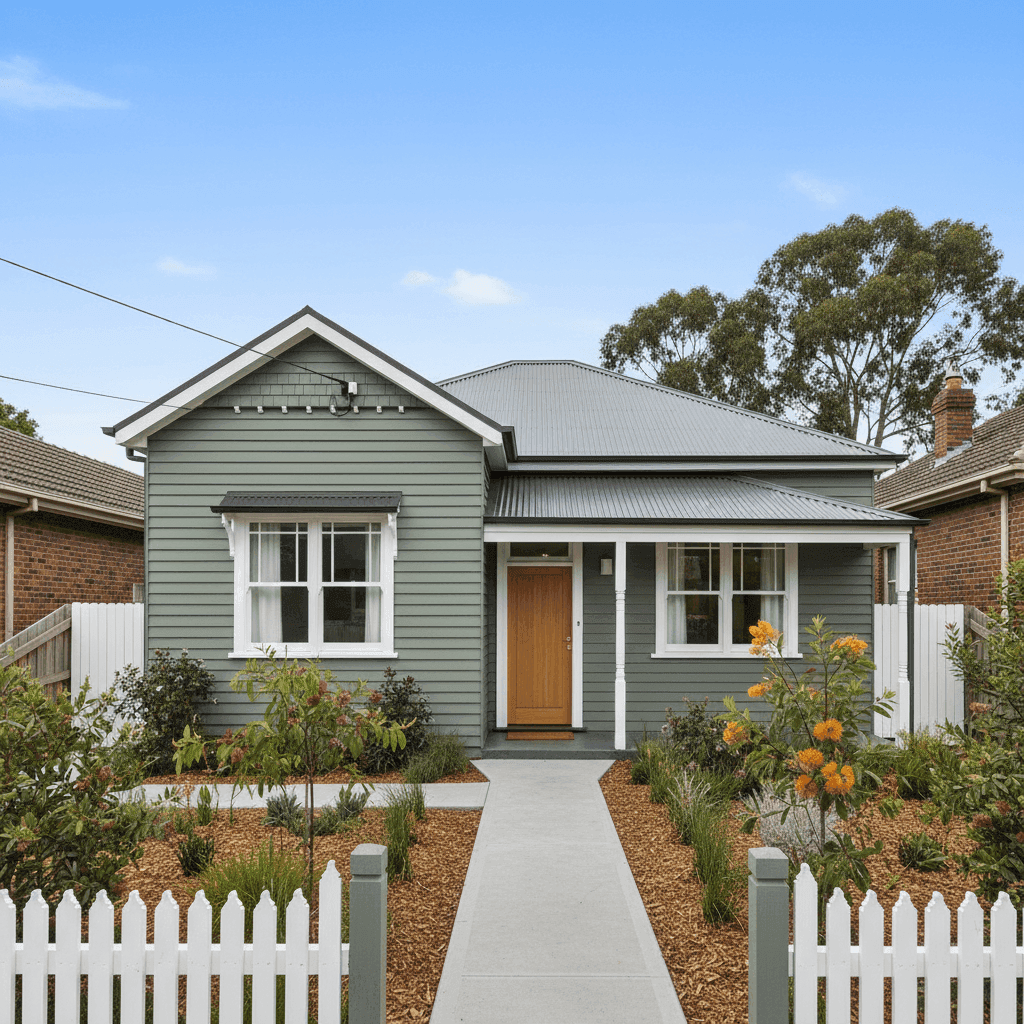
Northcote is one of Melbourne's most sought-after inner-north suburbs — a vibrant mix of period character homes, modern renovations, and tree-lined streets that make it a perennial favourite for families and professionals alike. If you own a free standing home here, understanding what you should be paying for home and contents insurance is a smart financial move. This article breaks down a real quote for a 3-bedroom, 2-bathroom weatherboard home in Northcote (VIC 3070), and puts it in context against local, state, and national benchmarks.
---
Is This Quote Fair?
The quote in question sits at $1,441 per year (or $138/month) for combined home and contents cover, with a building sum insured of $478,500 and contents covered at $173,700. Both the building and contents excess are set at $1,000.
Our price rating for this quote is FAIR — Around Average, which is a reasonable outcome for a property of this type and location. Here's why:
- The quote comes in below the Northcote suburb average of $1,667/yr and the suburb median of $1,613/yr.
- It sits comfortably within the interquartile range for the suburb — between the 25th percentile ($1,211/yr) and the 75th percentile ($2,068/yr), based on a sample of 58 quotes from the area.
- It's also slightly below the Moreland LGA average of $1,551/yr.
So while this isn't the cheapest quote available in the suburb (the bottom quarter of quotes comes in under $1,211/yr), it's certainly not overpriced. For a home with a reasonably high building sum insured and a solid contents value, landing below the suburb average is a positive sign.
---
How Northcote Compares
To truly appreciate this quote, it helps to zoom out and look at the broader picture.
| Benchmark | Average Premium | Median Premium |
|---|---|---|
| Northcote (3070) | $1,667/yr | $1,613/yr |
| Victoria | $3,000/yr | $2,718/yr |
| National | $5,347/yr | $2,764/yr |
The contrast is striking. Northcote homeowners are paying, on average, roughly half what Victorians pay statewide — and a fraction of the national average. The national average is heavily skewed upward by high-risk regions such as cyclone-prone areas in Queensland and the Northern Territory, flood zones, and bushfire-affected communities. Northcote, sitting in Melbourne's established inner north, benefits from relatively low natural disaster risk, which keeps premiums competitive.
The fact that this particular quote at $1,441/yr sits 14% below the suburb average and 52% below the state average makes it a genuinely solid result for the homeowner.
---
Property Features That Affect Your Premium
Several characteristics of this property directly influence how insurers price the risk — and understanding them can help you make sense of your premium.
Weatherboard Timber Walls
Weatherboard homes are a classic feature of Northcote's streetscape, but they do carry a higher fire risk compared to brick veneer or double brick construction. Insurers factor this in, which can push premiums slightly higher than for masonry homes. That said, weatherboard homes are well understood by Australian insurers, and the impact is often moderate rather than dramatic.
Steel/Colorbond Roof
Colorbond roofing is generally viewed favourably by insurers. It's durable, fire-resistant, and low-maintenance compared to older tile or terracotta options. This is likely contributing to a more competitive premium outcome here.
Concrete Slab Foundation
A slab foundation is considered stable and low-risk by most insurers. It reduces concerns around subsidence or underfloor damage that can arise with older stumped foundations — common in many of Northcote's pre-war homes.
Timber/Laminate Flooring
Timber and laminate floors are attractive but can be costly to repair or replace after water damage or fire. Insurers will factor replacement costs into the contents and building valuations, so ensuring your sum insured accurately reflects these materials is important.
Ducted Climate Control
The presence of ducted climate control adds to the rebuild cost of the home, and is a relevant factor in setting the building sum insured. At $478,500, the building cover appears to account for this appropriately for a 139 sqm home built in 2001.
No Pool, No Solar Panels
The absence of a pool and solar panels simplifies the risk profile. Pools introduce liability considerations and additional maintenance risks, while solar systems — though increasingly common — add to rebuild costs and occasionally raise questions around fire risk. Neither applying here keeps the quote cleaner.
---
Tips for Homeowners in Northcote
1. Review Your Building Sum Insured Annually
Construction costs in Melbourne have risen significantly in recent years. A sum insured that was accurate two years ago may now be insufficient to cover a full rebuild. Use a building cost calculator or speak to a quantity surveyor to ensure your $478,500 cover still reflects current rebuild costs for a 139 sqm weatherboard home.
2. Consider Your Excess Carefully
This quote carries a $1,000 excess on both building and contents. Opting for a higher excess (say, $2,000) can reduce your annual premium — sometimes meaningfully. If you have the financial buffer to cover a larger out-of-pocket cost in a claim, it's worth modelling the savings.
3. Don't Overlook Contents Valuation
At $173,700, the contents cover here is substantial. It's worth doing a room-by-room audit of your belongings periodically — furniture, electronics, clothing, appliances, and valuables — to make sure you're neither over-insured nor, more dangerously, under-insured. Under-insurance can lead to partial payouts at claim time.
4. Compare at Renewal Time
Insurers don't always reward loyalty with competitive pricing. When your policy comes up for renewal, take 10 minutes to run a comparison. Even if you stick with your current insurer, you'll have the confidence of knowing you're on a fair deal — and the data to negotiate if you're not.
---
Ready to Compare Home Insurance in Northcote?
Whether you're buying a new policy or reviewing your current one, CoverClub makes it easy to see how your quote stacks up. We analyse real premium data from across Australia so you can make an informed decision — not just take the first number you're given.