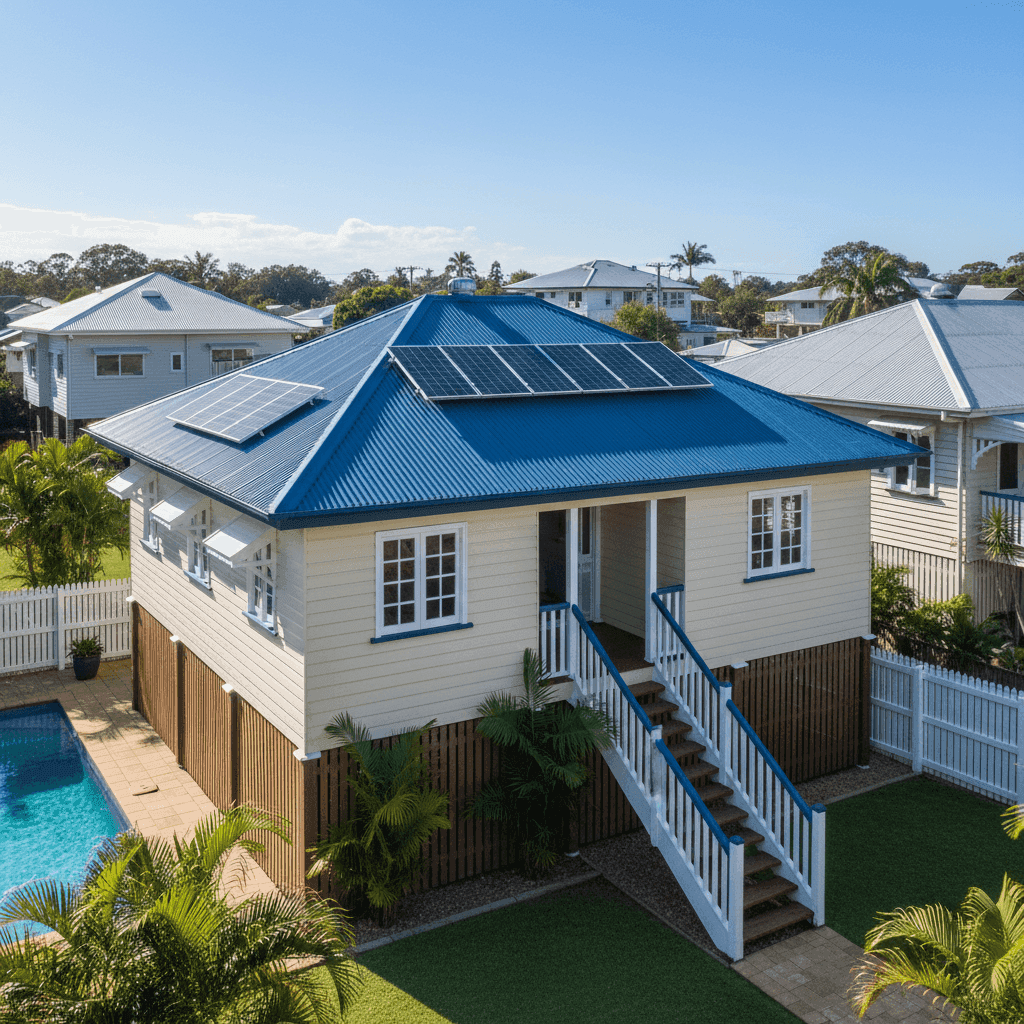
If you own a free standing home in Norville, QLD 4670, you're probably well aware that home insurance can be a significant household expense — especially in Queensland, where weather events and regional risk factors push premiums well above the national norm. This article breaks down a real home and contents insurance quote for a four-bedroom weatherboard home in Norville, compares it against local, state, and national benchmarks, and offers practical tips to help you get the best value for your cover.
---
Is This Quote Fair?
The annual premium for this quote comes in at $2,283 per year (or $220/month), covering a building sum insured of $406,000 and contents valued at $50,000. The building excess is $5,000 and the contents excess is $1,000.
Our price rating for this quote is FAIR — Around Average. That's a meaningful result in the context of Queensland insurance pricing, which tends to run significantly higher than the rest of the country. Paying close to the suburb median rather than the upper end of the range suggests this quote is reasonably competitive, though there's always room to explore whether a better deal exists.
It's worth noting that the building excess of $5,000 is on the higher side. A higher excess typically reduces your annual premium, so part of why this quote appears affordable is that you'd be shouldering more out-of-pocket costs in the event of a claim. Homeowners should weigh whether the premium saving justifies that level of financial exposure.
---
How Norville Compares
Understanding where your premium sits relative to others is one of the most useful tools for evaluating whether you're getting a fair deal. Here's how this quote stacks up:
| Benchmark | Premium |
|---|---|
| This Quote | $2,283/yr |
| Norville Suburb Average | $3,015/yr |
| Norville Suburb Median | $2,587/yr |
| Norville 25th Percentile | $2,258/yr |
| Norville 75th Percentile | $3,104/yr |
| QLD State Average | $9,129/yr |
| QLD State Median | $3,903/yr |
| National Average | $5,347/yr |
| National Median | $2,764/yr |
This quote sits just above the suburb's 25th percentile of $2,258/yr, meaning it's cheaper than roughly three-quarters of comparable quotes in the area — a solid position. It also comes in well below both the Norville suburb average of $3,015/yr and the QLD state median of $3,903/yr.
The Queensland state average of $9,129/yr looks alarming at first glance, but this figure is heavily skewed by extremely high-risk properties — particularly in cyclone-prone coastal and far-north Queensland regions. The median is a far more representative measure for most homeowners. Even so, Queensland's median of $3,903/yr is notably higher than the national median of $2,764/yr, reflecting the elevated weather and natural disaster risk that comes with living in the Sunshine State.
Norville is located in the Bundaberg region, which has historically experienced flooding and severe storms. The fact that this property is not in a designated cyclone risk area provides some relief, but flood and storm risk remain relevant considerations for insurers pricing cover in this part of Queensland.
---
Property Features That Affect Your Premium
Several characteristics of this property have a direct bearing on how insurers assess risk and calculate premiums. Here's what stands out:
Weatherboard Timber Construction
Built in 1962, this home features weatherboard wood external walls — a classic Queensland construction style. Older timber homes can attract higher premiums due to the increased risk of fire, rot, and the higher cost of sourcing period-appropriate materials for repairs. However, well-maintained weatherboard homes are a staple of the region and most insurers price them routinely.
Elevated on Stumps
The home is elevated by at least one metre on stumps, which is a hallmark of traditional Queensland architecture. This is actually a meaningful risk-reduction feature in flood-prone areas — raising the floor level above potential inundation points can reduce flood damage significantly. Some insurers recognise this and price accordingly, which may be contributing to this quote's competitive positioning.
Steel/Colorbond Roof
A steel Colorbond roof is generally viewed favourably by insurers. It's durable, fire-resistant, and performs well in high-wind conditions compared to older roofing materials like terracotta tiles. This is a positive factor for premium pricing.
Swimming Pool
The presence of a pool adds a modest amount to the insured value and can introduce liability considerations. Ensure your contents or liability cover is adequate, and that your pool fencing complies with Queensland safety regulations.
Solar Panels
Solar panels are increasingly common in Queensland and need to be correctly listed under your building sum insured. If the panels are permanently fixed to the roof structure, they're typically covered under building insurance — but it's worth confirming this with your insurer to avoid a gap in cover.
Ducted Climate Control
Ducted air conditioning is a significant fixed asset. As part of the building, it should be factored into your sum insured. Under-insuring your building — particularly with a system like this installed — can leave you exposed at claim time.
---
Tips for Homeowners in Norville
1. Review Your Sum Insured Regularly
Building costs in regional Queensland have risen sharply in recent years. A sum insured of $406,000 for a 130 sqm weatherboard home on stumps may be appropriate today, but construction cost inflation means this figure can become outdated quickly. Use a building calculator or speak with a quantity surveyor to make sure you're not underinsured.
2. Understand Your Flood Cover
Bundaberg and surrounds have experienced significant flood events in recent years. Check whether your policy explicitly includes flood cover (not just storm or rainwater damage). These are legally distinct definitions in Australian insurance, and the difference matters enormously at claim time.
3. Consider Whether Your Excess Suits Your Situation
The $5,000 building excess on this policy is high. While it reduces your annual premium, it means you'd need to fund the first $5,000 of any building claim yourself. If a moderate storm causes $4,500 in damage, you'd receive nothing. Think about what level of excess genuinely makes sense for your financial position.
4. Bundle and Compare
This policy covers both home and contents, which is often more cost-effective than holding separate policies. That said, the market is competitive — even a policy rated as "fair" may be beaten by another insurer. Comparing multiple quotes annually is one of the simplest ways to avoid paying more than you need to.
---
Compare Home Insurance Quotes in Norville
Whether you're renewing your existing cover or shopping around for the first time, comparing quotes is the best way to ensure you're getting value. At CoverClub, we make it easy to see how your premium stacks up against others in your suburb and across Queensland. Get a home insurance quote now and find out if you could be paying less — without sacrificing the cover you need.