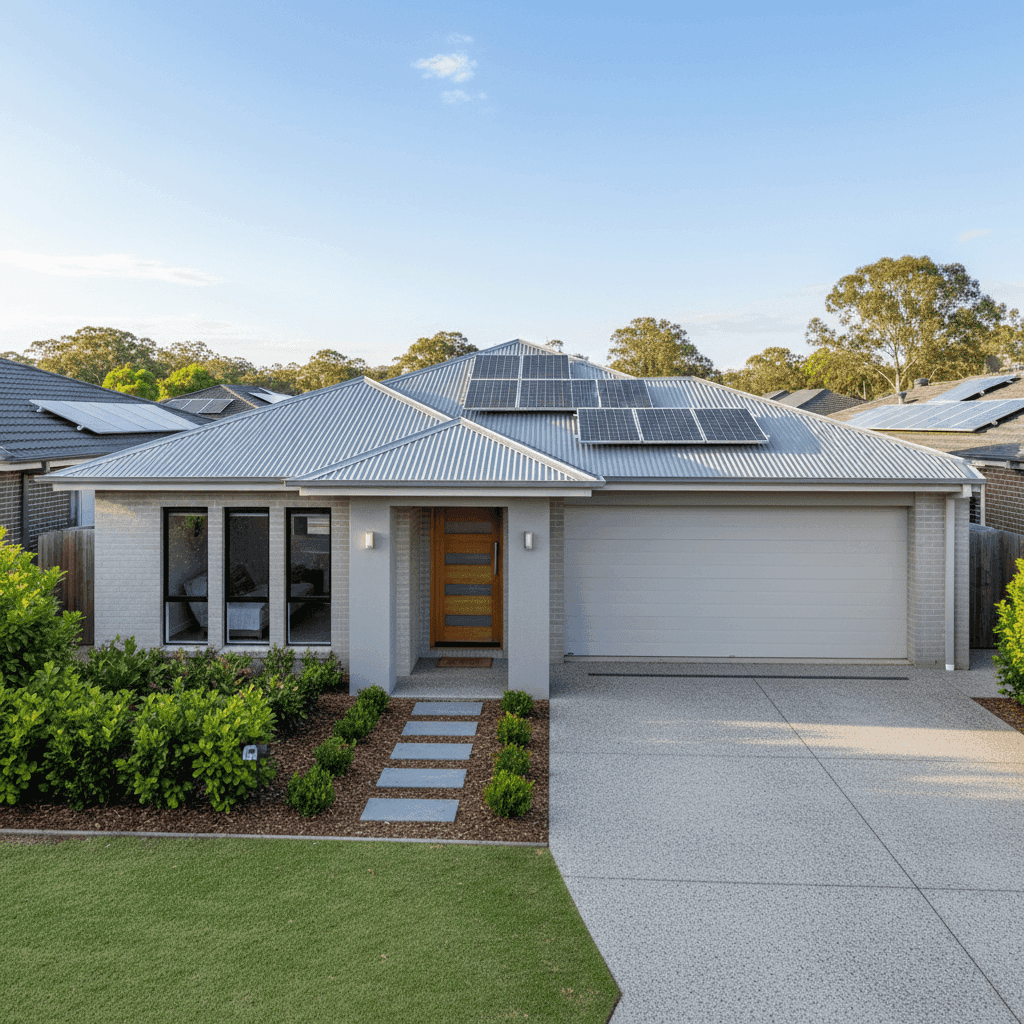
Nudgee is a well-established northern Brisbane suburb sitting just 14 kilometres from the CBD, offering residents a blend of convenient urban access and a relaxed, community-oriented lifestyle. For owners of free standing homes in this pocket of Queensland, understanding what a fair home insurance premium looks like can be the difference between overpaying and getting genuine value. This article breaks down a real building insurance quote for a four-bedroom, two-bathroom home in Nudgee — and puts the numbers in context so you can make a more informed decision.
---
Is This Quote Fair?
The short answer: yes — and then some.
The quote in question comes in at $1,955 per year (or around $187 per month) for building-only cover on a modern brick veneer home insured for $500,000. CoverClub's pricing engine has rated this quote as CHEAP — Below Average, meaning it sits favourably against comparable properties in the area.
To put that into perspective, the suburb median premium in Nudgee is $2,916 per year, and the 25th percentile sits at $2,077. This quote lands below even that lower quartile threshold, suggesting the homeowner is accessing a notably competitive rate. In practical terms, that's a potential saving of nearly $1,000 annually compared to what the typical Nudgee homeowner pays.
At the state level, the picture is even starker. The Queensland average home insurance premium is a hefty $9,129 per year, driven upward by high-risk cyclone and flood zones across regional and coastal QLD. The state median is $3,903 — still double this quote. Against national benchmarks, where the average sits at $5,347 and the median at $2,764, this premium remains highly competitive.
---
How Nudgee Compares
Nudgee's insurance pricing data tells an interesting story. Based on a sample of 34 quotes, the suburb's average premium is a striking $36,349 per year — an outlier figure that signals a small number of very high-risk or high-value properties are skewing the mean significantly. This is why the median ($2,916) is a far more reliable benchmark for the typical homeowner.
Here's a quick snapshot of how the numbers stack up:
| Benchmark | Annual Premium |
|---|---|
| This Quote | $1,955 |
| Nudgee 25th Percentile | $2,077 |
| Nudgee Median | $2,916 |
| Nudgee 75th Percentile | $4,010 |
| Nudgee Average | $36,349 |
| Brisbane LGA Average | $16,277 |
| QLD State Median | $3,903 |
| National Median | $2,764 |
| National Average | $5,347 |
The Brisbane LGA average of $16,277 is heavily influenced by flood-affected and high-value suburbs across the city. Nudgee itself has historically had some flood exposure near the creek corridors, which can push premiums higher for properties in lower-lying areas. A modern home on a slab with a strong construction profile, however, may attract more favourable underwriting treatment — which appears to be the case here.
---
Property Features That Affect Your Premium
Several characteristics of this property work in the homeowner's favour when it comes to insurance pricing.
Brick Veneer Construction Brick veneer external walls are widely regarded by insurers as a resilient and fire-resistant building material. Compared to weatherboard or lightweight cladding, brick veneer typically attracts lower premiums due to its durability and reduced susceptibility to storm and fire damage.
Steel / Colorbond Roof Colorbond roofing is one of the most insurer-friendly roof types available. It's lightweight, resistant to corrosion, and performs well in high-wind events — a meaningful consideration even in a non-cyclone zone like Nudgee. Terracotta or concrete tiles, by contrast, can be more expensive to repair or replace after storm events.
Slab Foundation A concrete slab foundation is generally considered low-risk by underwriters. It eliminates the sub-floor vulnerabilities associated with raised timber stumps, including termite damage and flood inundation of under-floor spaces.
Construction Year: 2022 A newly built home is a significant advantage. Modern builds must comply with current Australian building codes (NCC), which include more stringent structural requirements, energy efficiency standards, and wind resistance ratings. Insurers reward this with more competitive premiums and fewer exclusions.
Solar Panels This property has rooftop solar panels, which can have a nuanced effect on insurance. Some insurers include solar systems within the building sum insured, while others may treat them separately or apply sub-limits. It's worth confirming with your insurer that your solar installation — including panels, inverter, and mounting hardware — is adequately covered under the $500,000 building sum insured.
Ducted Climate Control Ducted air conditioning is a fixed building feature and should be included in the building sum insured. Given that these systems can cost $10,000–$25,000 to replace, ensuring they're captured in your coverage is essential.
Above-Average Fittings Above-average quality fittings — think stone benchtops, quality tapware, and premium flooring — increase the cost of reinstatement. The $500,000 sum insured should reflect not just the structural rebuild cost but also the cost of restoring the home to its current standard of finish.
---
Tips for Homeowners in Nudgee
1. Verify Your Sum Insured Regularly Construction costs have risen sharply across Australia in recent years. A sum insured that was accurate in 2022 may already be insufficient to cover a full rebuild in 2026. Use a building cost calculator or speak with a quantity surveyor to ensure your coverage keeps pace with current replacement costs.
2. Confirm Solar Panel Coverage As noted above, solar systems can fall into a grey area in some policies. Ask your insurer specifically whether your panels, inverter, and racking are covered, and whether any sub-limits apply. Some policies cap solar coverage at a fixed dollar amount that may not reflect the full system value.
3. Check for Flood Coverage Parts of Nudgee are in proximity to flood-prone areas. Even if your specific property is on higher ground, it's worth reviewing whether your policy includes flood cover (not just storm or rainwater damage). These are legally distinct definitions under Australian insurance law, and the difference matters enormously at claim time.
4. Compare Quotes Annually Insurance markets shift year to year. A premium that was competitive when you first took out your policy may no longer represent the best available rate. Shopping around at renewal — or using a comparison tool like CoverClub — takes only minutes and can yield meaningful savings.
---
Get a Quote for Your Nudgee Home
Whether you're buying, building, or simply reviewing your current cover, CoverClub makes it easy to compare home insurance options tailored to your property and location. Get a quote today and see how your premium stacks up against the suburb, state, and national benchmarks — all in one place.